 Business License

Do you know the secret of CNC machining cost control?
In the modern manufacturing industry, CNC machining is widely used in the production of various parts and components due to its high efficiency, precision and automation. However, despite the huge productivity gains brought about by CNC technology, how to effectively control its machining costs is still a problem faced by many companies. So what is the secret of CNC machining cost control?
CNC machining costs include four main areas: equipment costs, material costs, labour costs and running costs. To reduce these costs does not mean sacrificing product quality or extend the production cycle, but through scientific management and technological innovation to achieve maximum efficiency.
Equipment cost is the biggest piece of initial investment. Choosing the right CNC machine is critical, and it depends on the material, shape and batch size of the parts to be processed. In addition, regular maintenance and timely upgrading of machine hardware and software is also an effective means to reduce the failure rate and improve equipment utilisation.
Material cost control starts with material selection. Choosing the right material is not only related to product performance, but also directly affects the processing costs. For example, although certain high-strength lightweight alloys have a higher unit price, due to their good mechanical properties and lower cutting forces, they can save energy consumption and tool wear during processing, reducing overall costs in the long run. In addition, optimising the use of raw materials, such as planning cutting paths to reduce scrap and residual material, is an important part of reducing material loss.
Savings in labour costs depend on the skill level of the operators and the degree of automation of the procedures. Training employees to master CNC programming and operating skills is fundamental. Meanwhile, through the introduction of advanced programming software and simulation technology, programming and debugging can be carried out without stopping the machine, which greatly shortens the product development cycle.
Running costs include energy consumption, tool wear and the use of auxiliary substances. In this regard, intelligent energy management system can monitor and optimise the power consumption of the machine tool; and reasonable selection and correct use of cutting tools can not only extend tool life, but also improve machining accuracy and surface quality; at the same time, the recycling of auxiliary materials, such as cutting fluid, can also effectively reduce operating costs.
CNC machining cost control is a systematic project, which involves the purchase and maintenance of equipment, the scientific selection of materials, personnel training and management, as well as the fine regulation of the production process. Only by comprehensively considering all aspects can we achieve an overall reduction in costs and ensure product quality.
Recently Posted
-
Discover the wonderful world of microswitches
November 24, 2025In the vast ocean of modern technology, there are countless fascinating tiny wonders. Although they are inconspicuous, they play a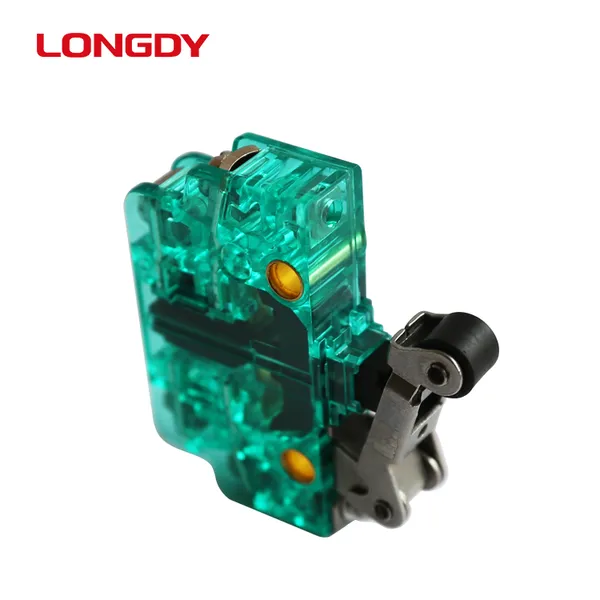 Read More
 -
Why use high voltage auxiliary switches for triplex mechanisms in power equipment? In-depth analysis
November 24, 2025In the complex operation system of power equipment, the three-position mechanism plays a crucial role. Among them, the application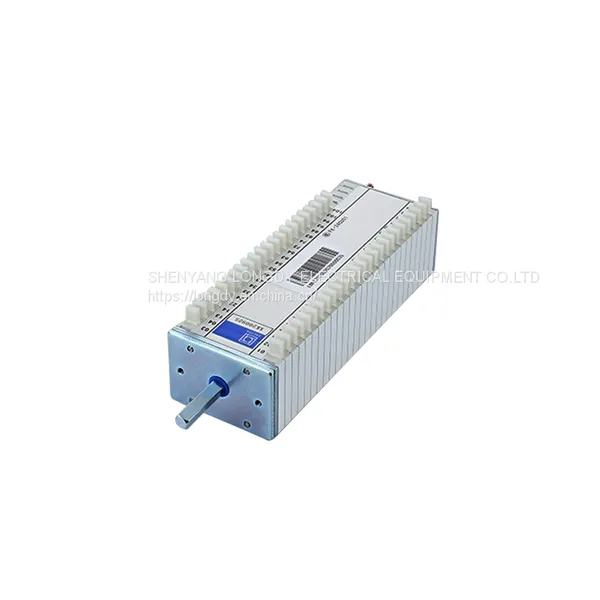 Read More
 -
Several golden rules for selecting materials in stamping processing
August 5, 2024In stamping processing, the selection of materials is crucial, because it not only affects the quality and precision of the parts,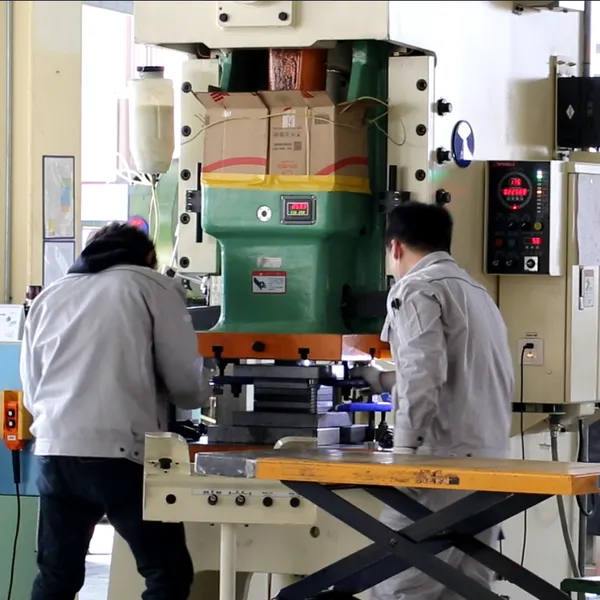 Read More
 -
How to improve the precision and efficiency of CNC machining?
August 5, 2024In modern manufacturing, CNC technology has become the core force in the production of complex parts and components with its high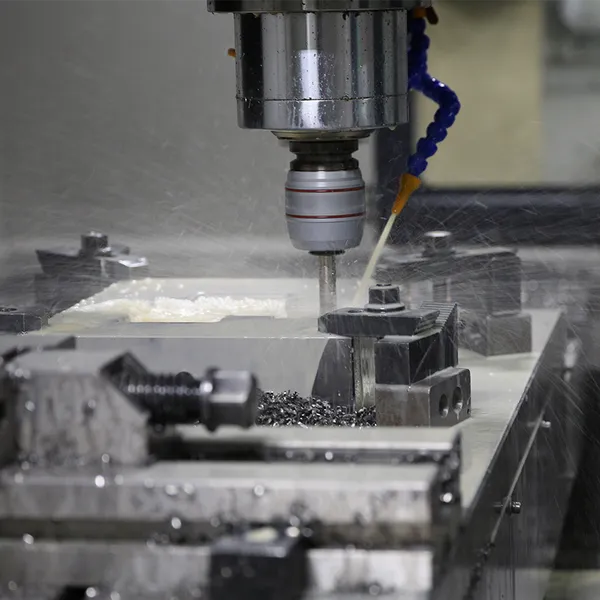 Read More

Contact Us
Recommended Products
-
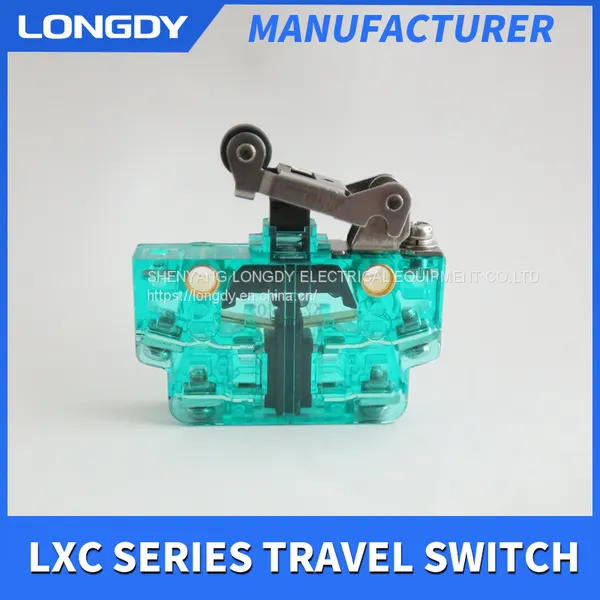
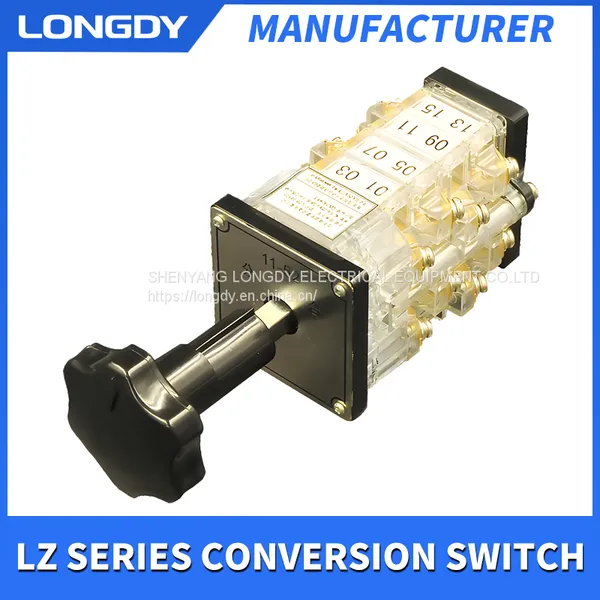
 Microswitch LXC Model Pertain Grounding Switches Knife Gate Switches Transfer Switches Contactors Metro DoorUS$ 11.6 - 15MOQ: 10 Pieces
 -
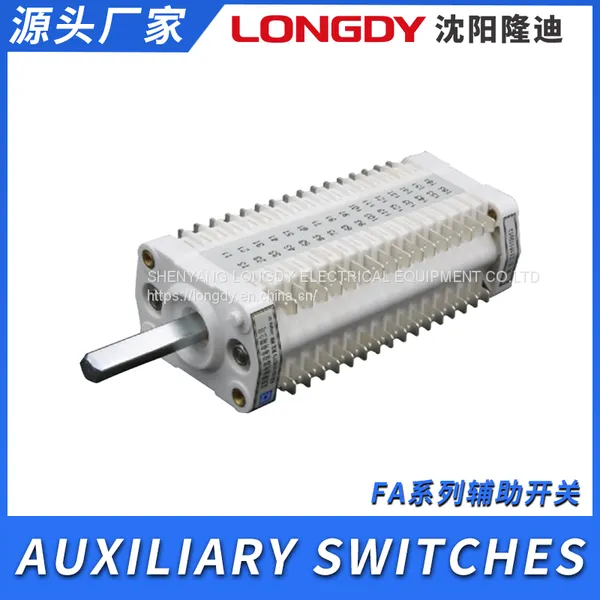
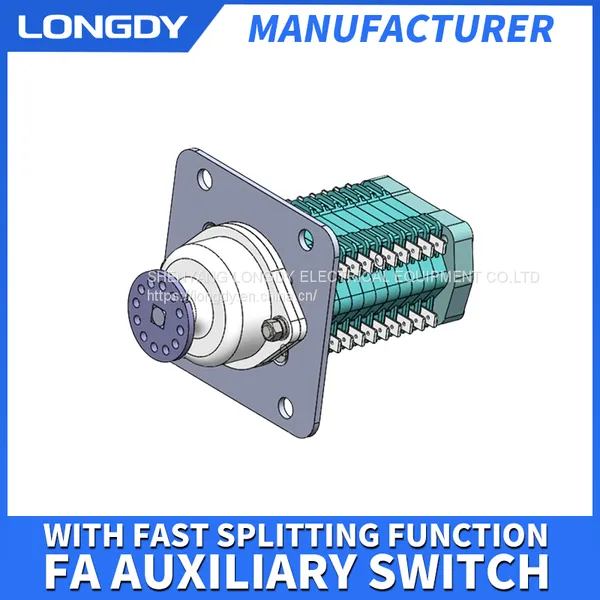
High Voltage Auxiliary Switches, Type FA, Sliding Contact Construction, for Motor-drive Mechanism, Three-position Mechanism, Quick-earthing SwitchesUS$ 14.3 - 16MOQ: 5 Pieces
-
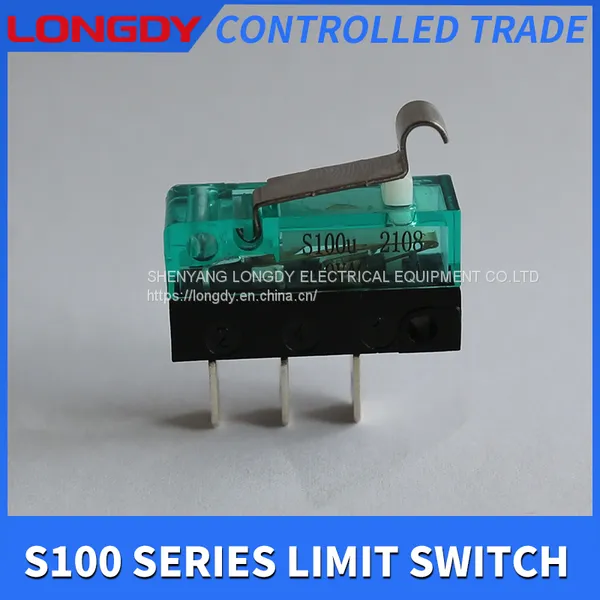
Microswitch S100u Type Suitable for Contactors Vacuum Circuit Breakers Knife Gate SwitchesUS$ 6.2 - 8MOQ: 20 Pieces
-
Microswitch Type LXF Suitable for ContactorsUS$ 17.14 - 21.43MOQ: 5 Pieces
-
Microswitches Type LXE for ContactorsUS$ 3.57 - 4.29MOQ: 20 Pieces
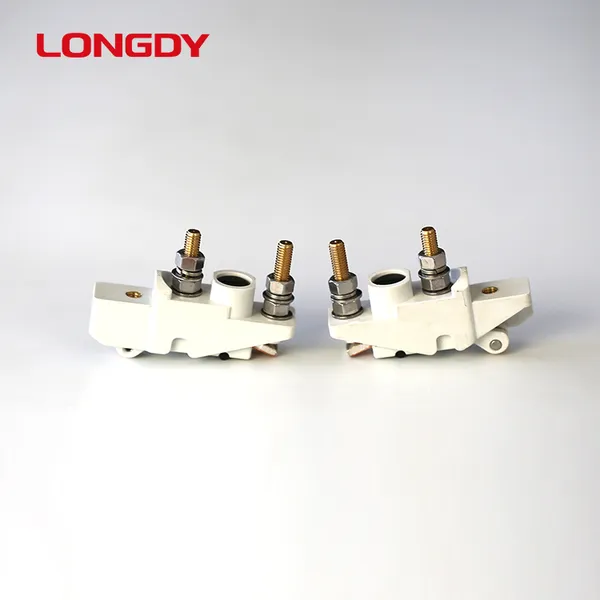
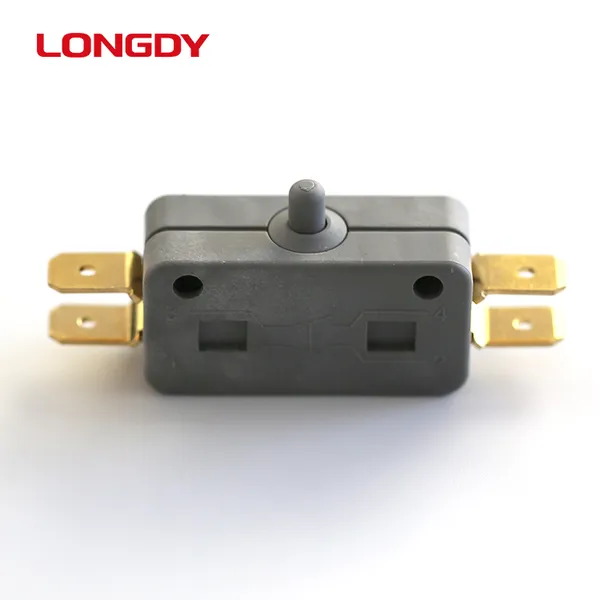
-
High Voltage Auxiliary Switch FC Model Travel Switch Rack and Pinion Suitable for Hydraulic MechanismsUS$ 215.9 - 249MOQ: 5 Pieces
-
High Voltage Auxiliary Switch FK Model Pertain For Electric Mechanism Hydraulic Mechanism Disc Spring Mechanism Quick-grounding MechanismUS$ 56.2 - 60MOQ: 5 Pieces
-
Waterproof Microswitch Specialized in Machinery Industry Switches Factory Direct SaleUS$ 18.57 - 22.86MOQ: 20 Pieces
-
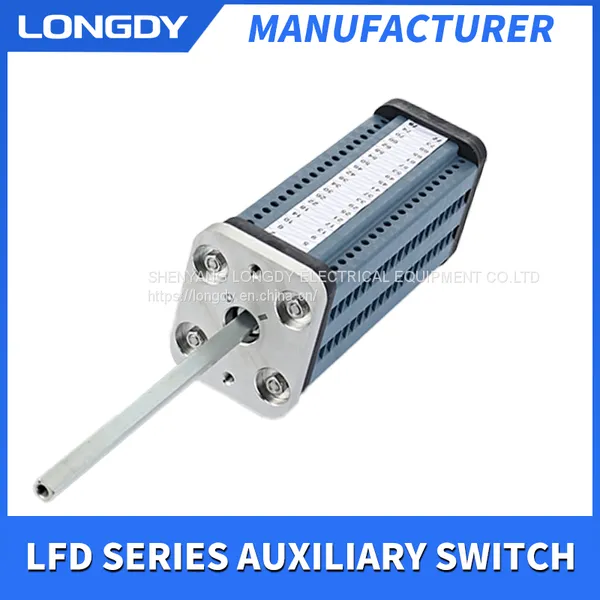
Manufacturer of LFD High-voltage Auxiliary Switch Circuit Breaker SwitchUS$ 37.9 - 40MOQ: 10 Pieces
-
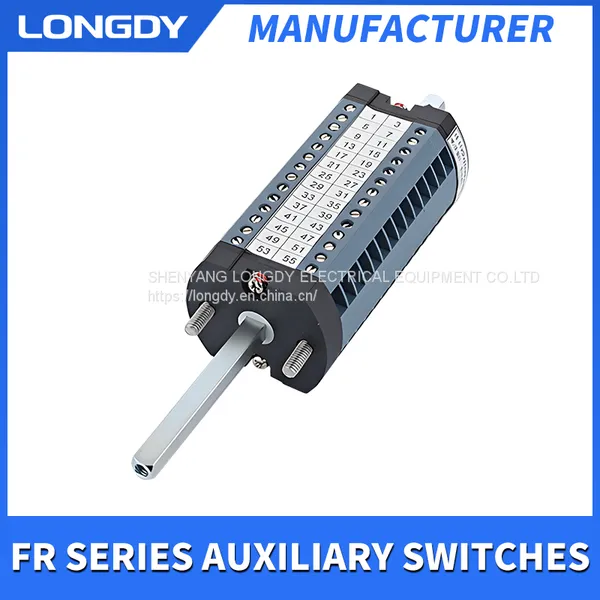
Auxiliary Switch Circuit Breaker Rail Transportation High Voltage Switch Pure Silver Contact PA66 ShellUS$ 37.5 - 55MOQ: 10 Pieces
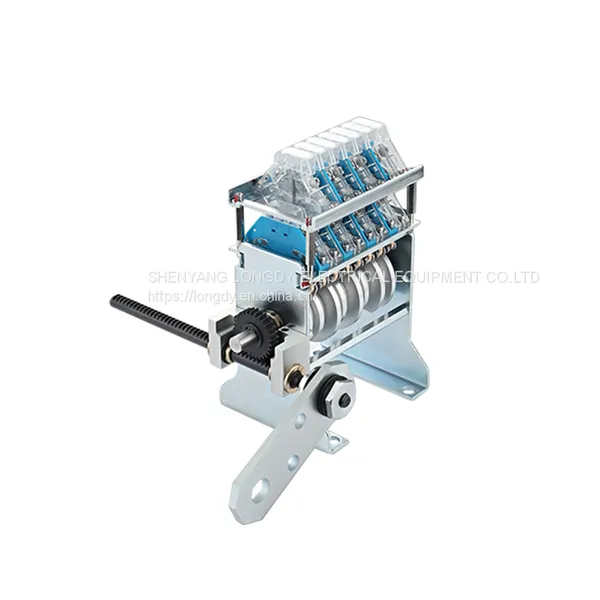
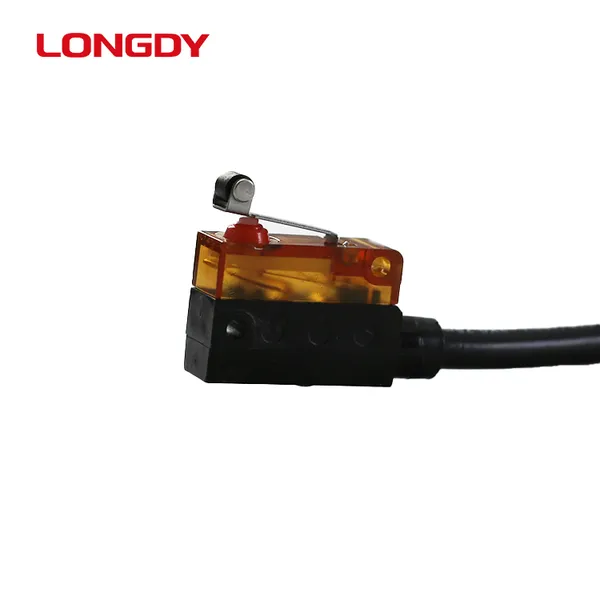
-
Auxiliary Switch High Voltage Switch Silver Contact Mounting Accessories PC MaterialUS$ 27.7 - 35MOQ: 5 Pieces
-
Medical Housing Plastic Housing Plastic Parts Processing Injection Molding Parts ManufacturersUS$ 20 - 80MOQ: 5000 Pieces
-
FA (F10) Fast Tap Auxiliary Switch High Voltage Switch Circuit Breaker Slow Speed Mechanism Auxiliary SwitchUS$ 20 - 25MOQ: 10 Pieces
-
The Silver Contact of the Transfer Switch Has High Contact Pressure and Strong Seismic Performance, Suitable for Industries Such as Power Industry AutomationUS$ 20.5 - 25MOQ: 5 Pieces
-
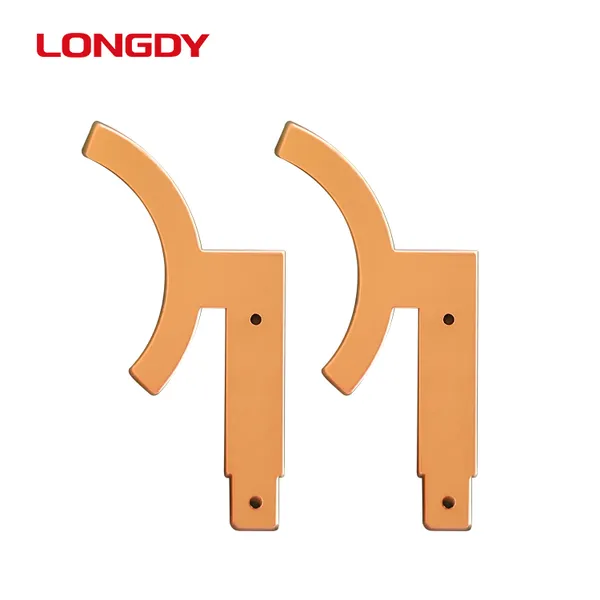
Precision Stamping Parts Processing Plant Stainless Steel Copper Aluminium Non-standard PartsUS$ 0.1 - 0.5MOQ: 1000 Pieces
-
Precision Stamping Parts Processing Source Factory Excellent Material for Non-Standard Metal PartsUS$ 0.1 - 3MOQ: 5000 Pieces
-
CNC Stamping Parts ISO 9001 Certified Machining Services High Quality Stainless Steel PartsUS$ 0.2 - 1MOQ: 2000 Pieces
-
Stamping Parts Processing Plant Stainless Steel Special-shaped Parts Custom High PrecisionUS$ 0.2 - 5MOQ: 10000 Pieces
-
Medical Equipments Shell Injection Plastic Molding ABS PC PP PVC PE Professional CustomizedUS$ 11 - 14MOQ: 100 Pieces
-
Stamping Parts Chinese Supplier Custom High Precision Non-Standard Stainless Steel Metal PartsUS$ 0.02 - 0.1MOQ: 1000 Pieces