 Business License

What are the key roles of inserts in injection moulding processing?
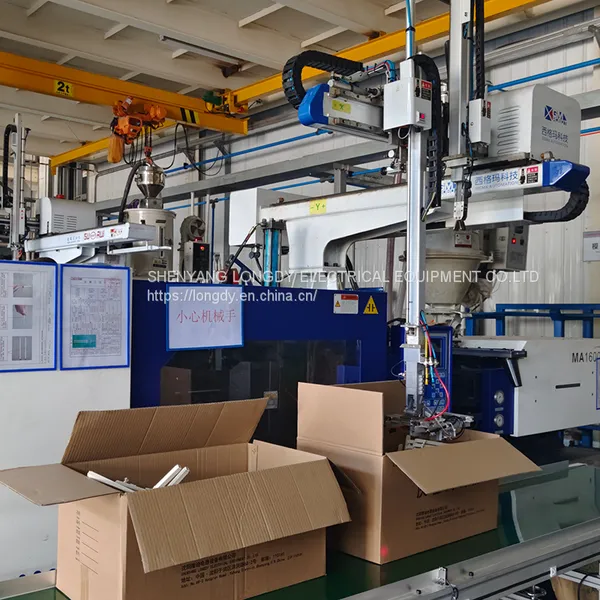
Injection moulding processing is a common manufacturing technique in the plastics industry. It is used to produce a variety of plastic parts by injecting molten plastic into a mould cavity and removing the moulded product after cooling. The use of inserts is crucial in this process as it directly affects the accuracy, performance and appearance of the product. Below, the critical role of inserts in injection moulding processing is discussed.
Inserts play a positioning and guiding role in mould design. When the mould is closed, the insert ensures that the two halves of the mould are accurately aligned, avoiding product defects caused by mould misalignment. This is important to ensure dimensional accuracy and consistency, especially when producing precision parts.
Inserts help to increase the life of the mould. Since inserts are replaceable, when parts of the mould are worn or damaged due to prolonged use, only the corresponding inserts need to be replaced, not the entire mould. This not only reduces maintenance costs, but also extends the overall life of the mould.
Inserts can be used to create complex geometries or internal passages. In some product designs, internal cavities or channels may be required to fulfil specific functional needs, such as piping, ventilation or wire access. By placing inserts in the mould, these complex structures can be created inside the plastic part without the need for complex machining of the entire mould.
Inserts can also be used to improve the cosmetic quality of a product. For example, if there are scratches or imperfections on the surface of the mould, these can be repaired by replacing the inserts, thus ensuring that the appearance of the product is not compromised. This is particularly important for products that require high surface quality, such as electronic equipment housings or automotive interiors.
Inserts also enable multi-material injection moulding. In some applications, it may be necessary to combine different materials to achieve better performance or reduce costs. Through the use of inserts, it is possible to inject one material, then insert an insert of another material in the same mould and inject it a second time, thus combining the two materials.
The use of inserts also helps to control the cooling process. During the injection moulding process, the molten plastic needs to be cooled uniformly to reduce shrinkage and distortion. By placing inserts with different thermal conductivity in the mould, the cooling rate in specific areas can be controlled to optimise the quality and dimensional stability of the product.
Inserts offer flexibility in the mould manufacturing process. As inserts can be designed and manufactured separately, this gives mould designers the flexibility to adapt the mould structure to product requirements without having to redesign the entire mould. This not only speeds up the product development cycle, but also facilitates the response to changing market demands.
Recently Posted
-
Discover the wonderful world of microswitches
November 24, 2025In the vast ocean of modern technology, there are countless fascinating tiny wonders. Although they are inconspicuous, they play a Read More
 -
Why use high voltage auxiliary switches for triplex mechanisms in power equipment? In-depth analysis
November 24, 2025In the complex operation system of power equipment, the three-position mechanism plays a crucial role. Among them, the application Read More
 -
Several golden rules for selecting materials in stamping processing
August 5, 2024In stamping processing, the selection of materials is crucial, because it not only affects the quality and precision of the parts, Read More
 -
How to improve the precision and efficiency of CNC machining?
August 5, 2024In modern manufacturing, CNC technology has become the core force in the production of complex parts and components with its high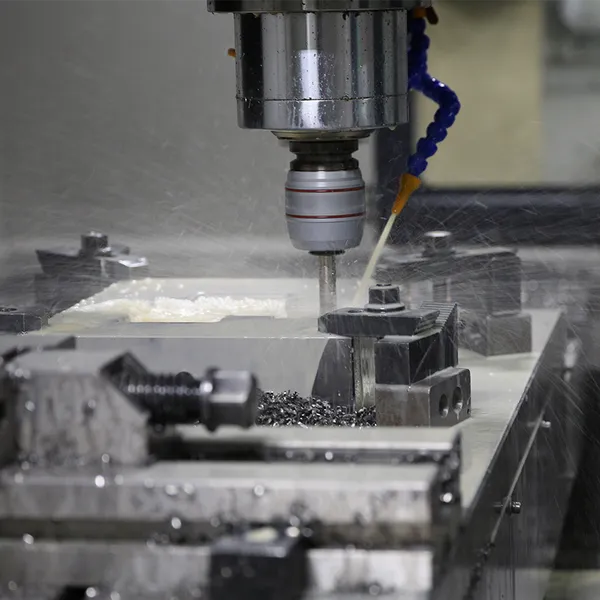 Read More

Contact Us
Recommended Products
-
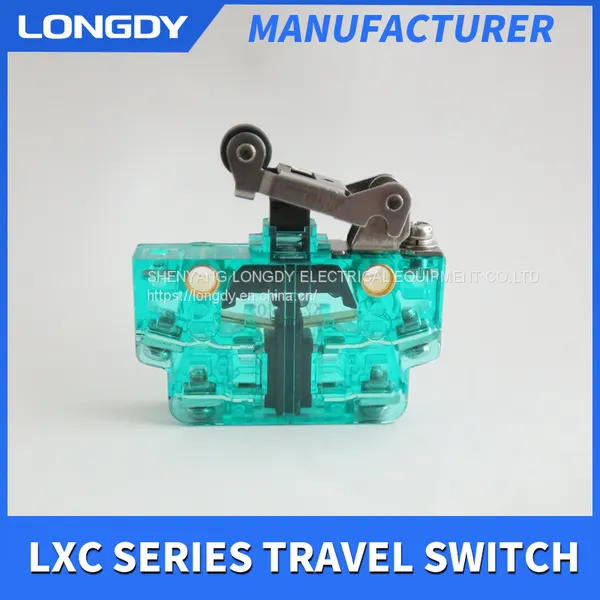
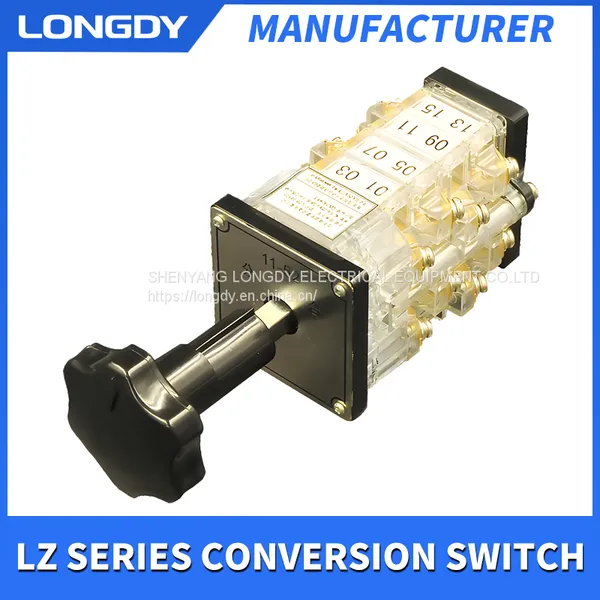
 Microswitch LXC Model Pertain Grounding Switches Knife Gate Switches Transfer Switches Contactors Metro DoorUS$ 11.6 - 15MOQ: 10 Pieces
 -
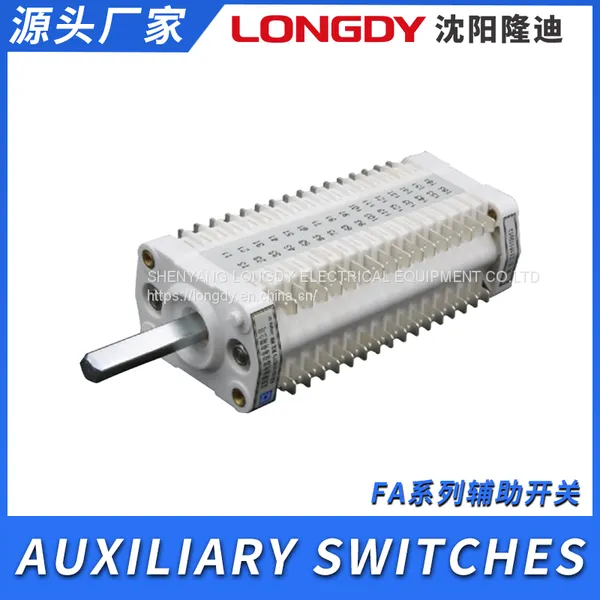
High Voltage Auxiliary Switches, Type FA, Sliding Contact Construction, for Motor-drive Mechanism, Three-position Mechanism, Quick-earthing SwitchesUS$ 14.3 - 16MOQ: 5 Pieces
-
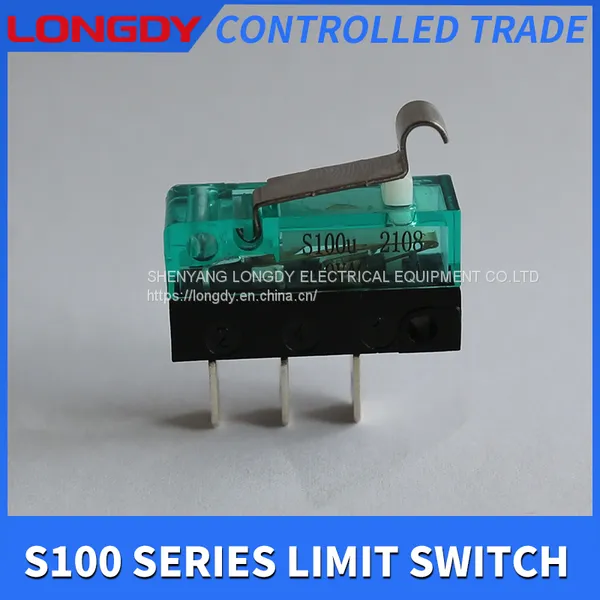
Microswitch S100u Type Suitable for Contactors Vacuum Circuit Breakers Knife Gate SwitchesUS$ 6.2 - 8MOQ: 20 Pieces
-
Microswitch Type LXF Suitable for ContactorsUS$ 17.14 - 21.43MOQ: 5 Pieces
-
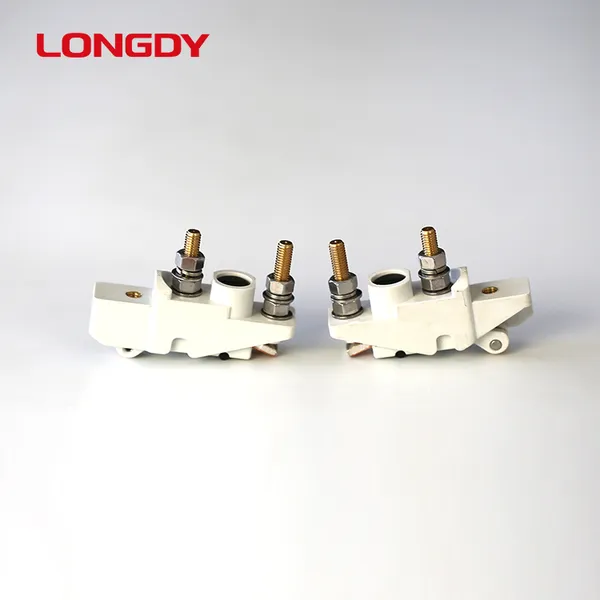
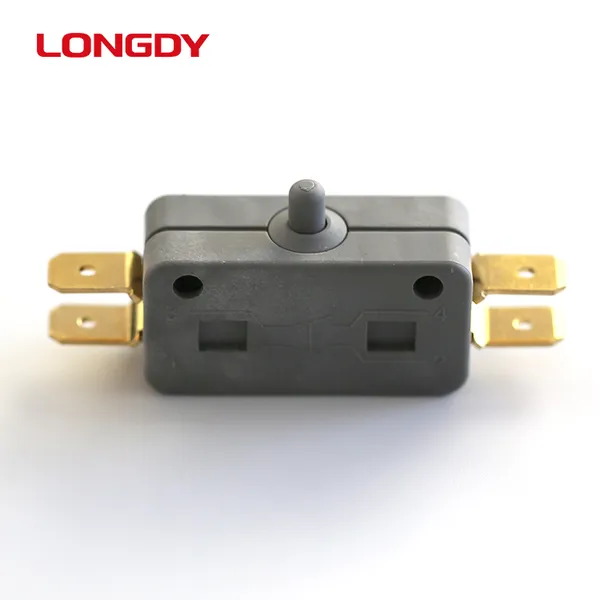
Microswitches Type LXE for ContactorsUS$ 3.57 - 4.29MOQ: 20 Pieces
-
High Voltage Auxiliary Switch FC Model Travel Switch Rack and Pinion Suitable for Hydraulic MechanismsUS$ 215.9 - 249MOQ: 5 Pieces
-
High Voltage Auxiliary Switch FK Model Pertain For Electric Mechanism Hydraulic Mechanism Disc Spring Mechanism Quick-grounding MechanismUS$ 56.2 - 60MOQ: 5 Pieces
-
Waterproof Microswitch Specialized in Machinery Industry Switches Factory Direct SaleUS$ 18.57 - 22.86MOQ: 20 Pieces
-
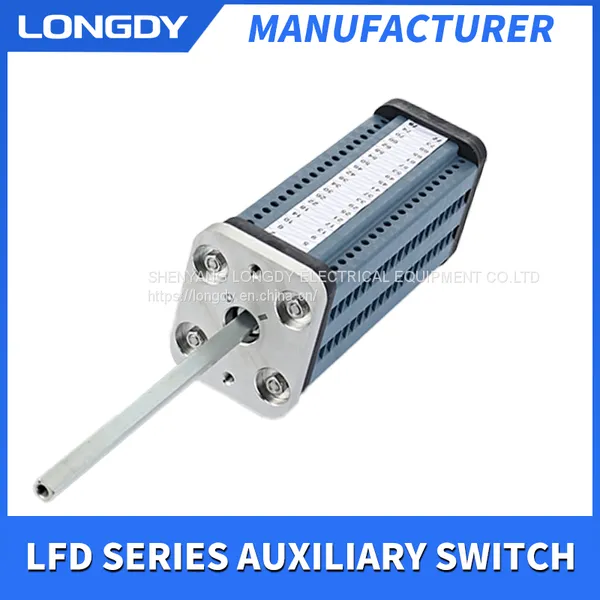
Manufacturer of LFD High-voltage Auxiliary Switch Circuit Breaker SwitchUS$ 37.9 - 40MOQ: 10 Pieces
-
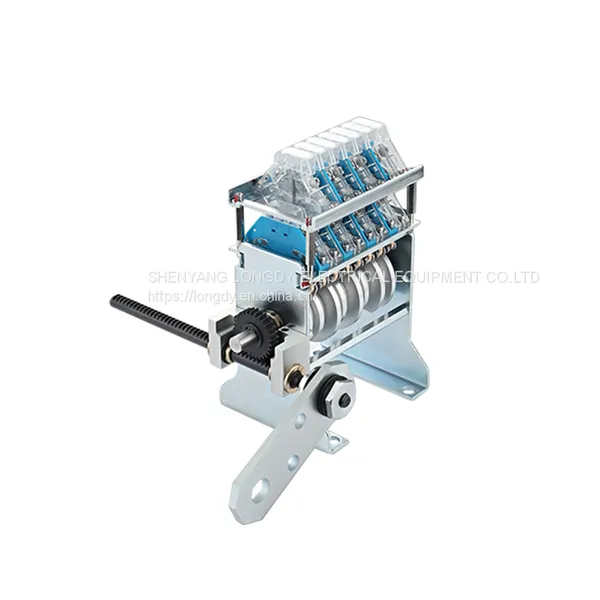
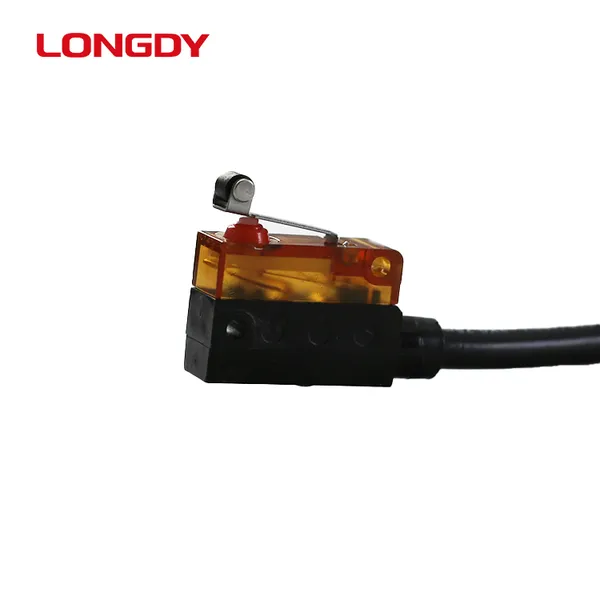
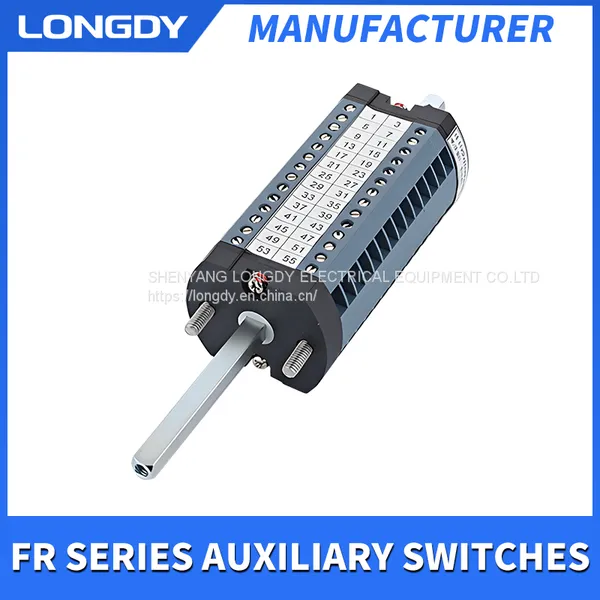
Auxiliary Switch Circuit Breaker Rail Transportation High Voltage Switch Pure Silver Contact PA66 ShellUS$ 37.5 - 55MOQ: 10 Pieces
-
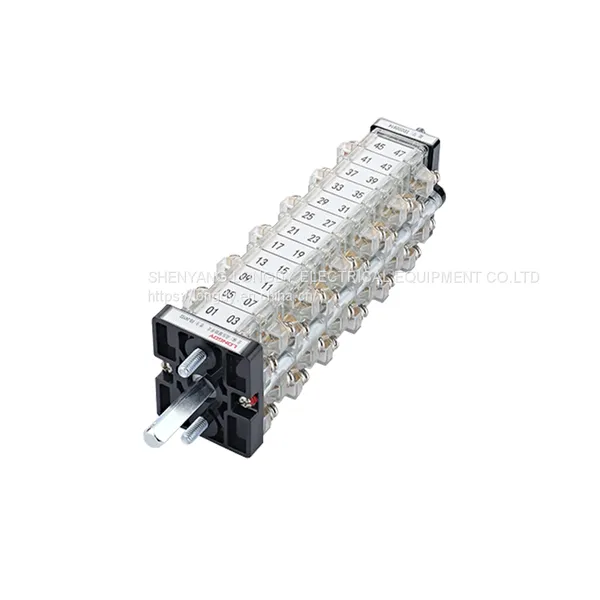
Auxiliary Switch High Voltage Switch Silver Contact Mounting Accessories PC MaterialUS$ 27.7 - 35MOQ: 5 Pieces
-
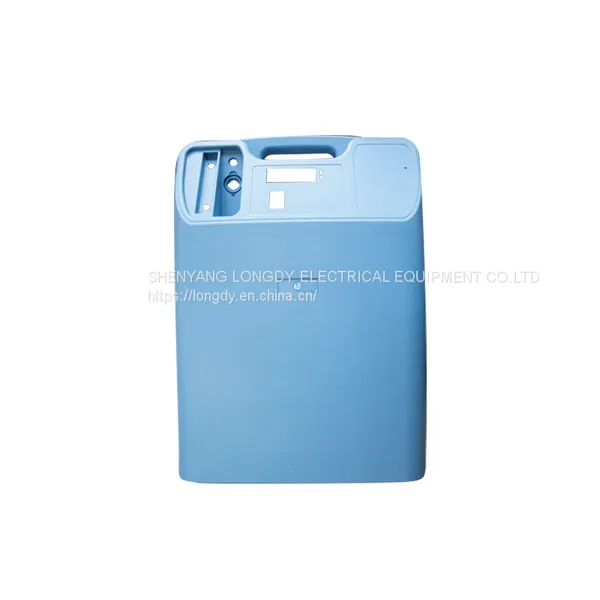
Medical Housing Plastic Housing Plastic Parts Processing Injection Molding Parts ManufacturersUS$ 20 - 80MOQ: 5000 Pieces
-
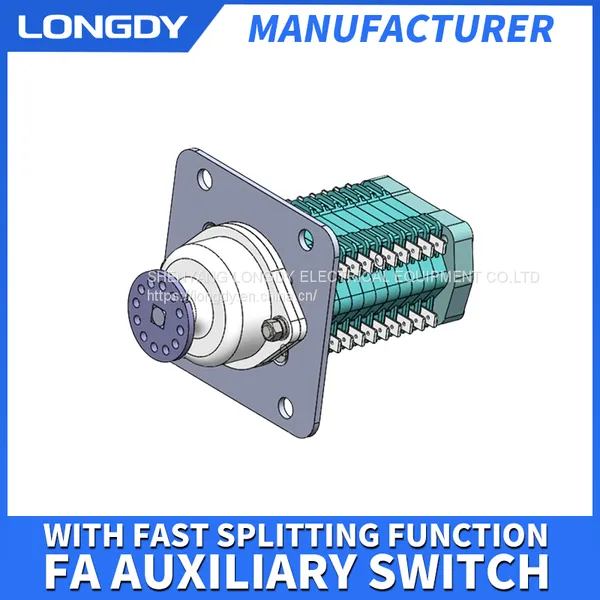
FA (F10) Fast Tap Auxiliary Switch High Voltage Switch Circuit Breaker Slow Speed Mechanism Auxiliary SwitchUS$ 20 - 25MOQ: 10 Pieces
-
The Silver Contact of the Transfer Switch Has High Contact Pressure and Strong Seismic Performance, Suitable for Industries Such as Power Industry AutomationUS$ 20.5 - 25MOQ: 5 Pieces
-
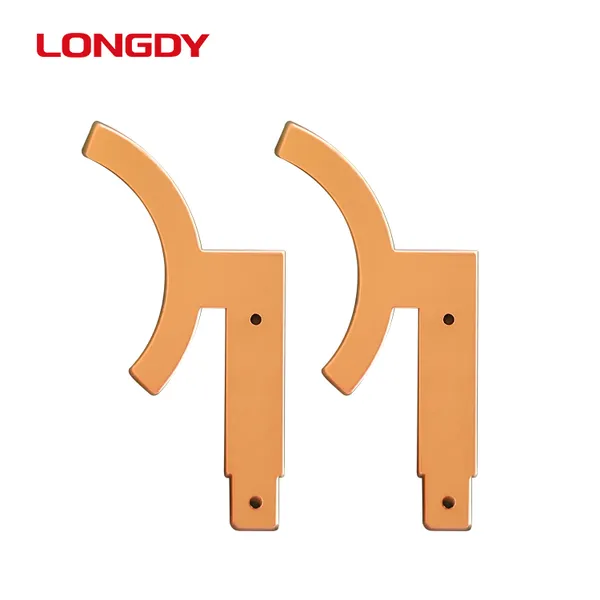
Precision Stamping Parts Processing Plant Stainless Steel Copper Aluminium Non-standard PartsUS$ 0.1 - 0.5MOQ: 1000 Pieces
-
Precision Stamping Parts Processing Source Factory Excellent Material for Non-Standard Metal PartsUS$ 0.1 - 3MOQ: 5000 Pieces
-
CNC Stamping Parts ISO 9001 Certified Machining Services High Quality Stainless Steel PartsUS$ 0.2 - 1MOQ: 2000 Pieces
-
Stamping Parts Processing Plant Stainless Steel Special-shaped Parts Custom High PrecisionUS$ 0.2 - 5MOQ: 10000 Pieces
-
Medical Equipments Shell Injection Plastic Molding ABS PC PP PVC PE Professional CustomizedUS$ 11 - 14MOQ: 100 Pieces
-
Stamping Parts Chinese Supplier Custom High Precision Non-Standard Stainless Steel Metal PartsUS$ 0.02 - 0.1MOQ: 1000 Pieces