 Business License

How to solve the wire drawing problem in injection molding process?
In the process of injection molding, wire drawing is a common and thorny problem. It is usually manifested as the surface of the plastic parts appear thin plastic filaments, affecting the appearance of the product quality and subsequent coating, printing and other processes.
So, how to effectively solve the problem of wire drawing in the injection molding process?
1. Optimization of mold design
Reasonable mold design is a prerequisite to avoid wire drawing. Designers need to carefully consider the shape and size of the runners to ensure that the melt can fill the mold cavity evenly. In addition, the choice of gate location is also critical, should try to avoid the melt directly impact to the core or cavity edges, to reduce the shear force caused by the wire drawing problem. At the same time, a reasonable arrangement of the cooling water circuit can ensure that the mold temperature is balanced to prevent local overheating.
2. Adjustment of injection parameters
Injection parameters, including injection speed, pressure, back pressure, barrel temperature, etc., have a significant impact on the melt flow performance. Reducing the injection speed can reduce the shear force generated when the melt flows, thus reducing the drawing. Appropriate increase of back pressure helps to improve the density of the melt and reduce the defects caused by gas entrapment. And the appropriate barrel temperature ensures the homogeneity and stability of the melt.
3. Material selection and drying treatment
Selection of suitable plastic materials is equally important for the prevention of wire drawing. Different resins have different rheological properties, and the selection of appropriate materials can reduce the adhesion of the melt and reduce the tendency of wire drawing.
4. Mold surface treatment
Special treatment of the mold surface, such as plating or spraying release agents, can reduce the coefficient of friction between the plastic and the mold, and help to eliminate drawing due to excessive adhesion.
5. Use of dynamic pressure holding and cooling techniques
The use of advanced dynamic pressure holding technology can automatically adjust the pressure holding pressure according to the thickness of the plastic part, so that the force on all parts of the plastic part is more uniform. Combined with efficient cooling technology, the plastic parts can be quickly cooled down to the demolding temperature, preventing wire drawing caused by melt flow.
6. Application of post-processing technology
If it is still difficult to avoid wire drawing completely by the above methods, the appearance of the product can be improved by post-treatment processes such as grinding, sandblasting and brushing. These methods can effectively cover the slight wire drawing traces without affecting the overall quality of the product.
Recently Posted
-
Discover the wonderful world of microswitches
November 24, 2025In the vast ocean of modern technology, there are countless fascinating tiny wonders. Although they are inconspicuous, they play a Read More
 -
Why use high voltage auxiliary switches for triplex mechanisms in power equipment? In-depth analysis
November 24, 2025In the complex operation system of power equipment, the three-position mechanism plays a crucial role. Among them, the application Read More
 -
Several golden rules for selecting materials in stamping processing
August 5, 2024In stamping processing, the selection of materials is crucial, because it not only affects the quality and precision of the parts, Read More
 -
How to improve the precision and efficiency of CNC machining?
August 5, 2024In modern manufacturing, CNC technology has become the core force in the production of complex parts and components with its high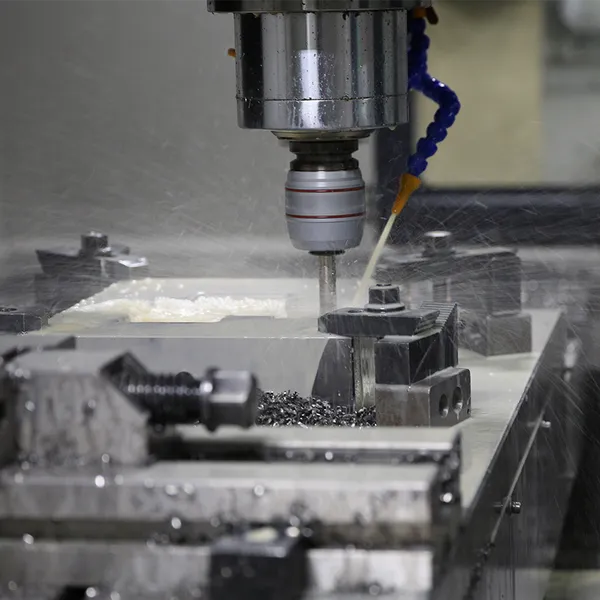 Read More

Contact Us
Recommended Products
-
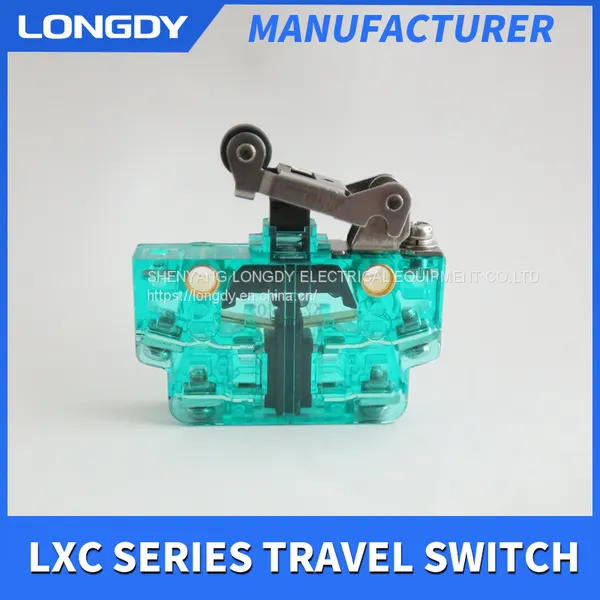
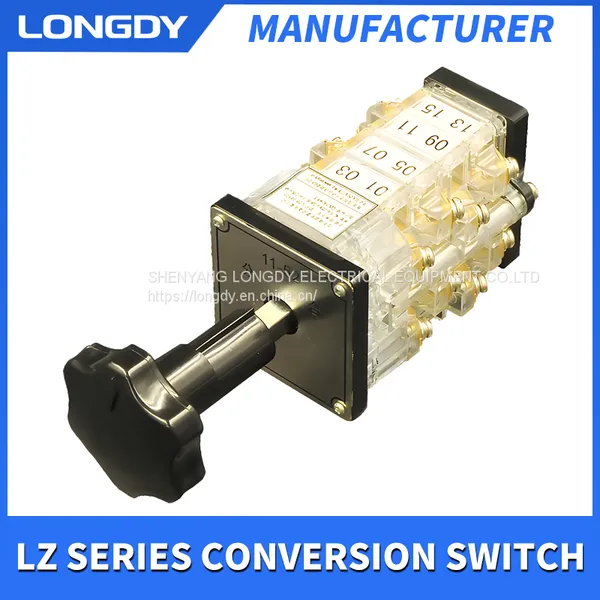
 Microswitch LXC Model Pertain Grounding Switches Knife Gate Switches Transfer Switches Contactors Metro DoorUS$ 11.6 - 15MOQ: 10 Pieces
 -
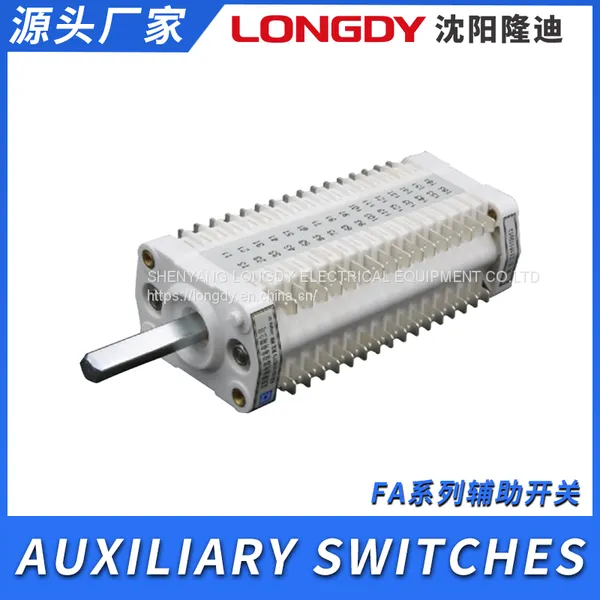
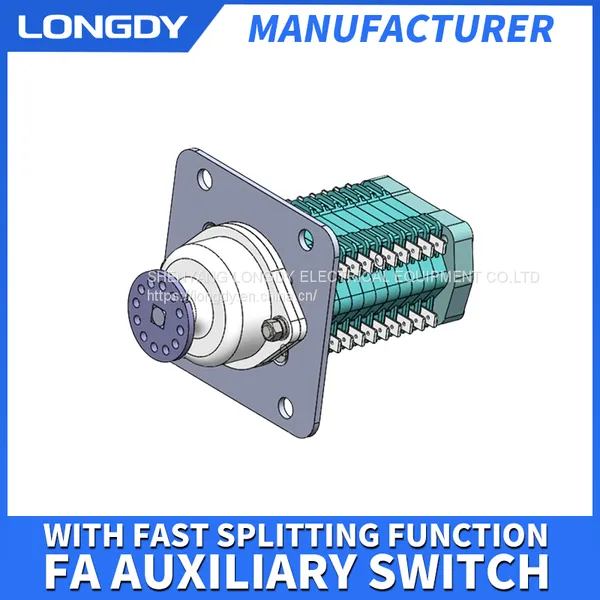
High Voltage Auxiliary Switches, Type FA, Sliding Contact Construction, for Motor-drive Mechanism, Three-position Mechanism, Quick-earthing SwitchesUS$ 14.3 - 16MOQ: 5 Pieces
-
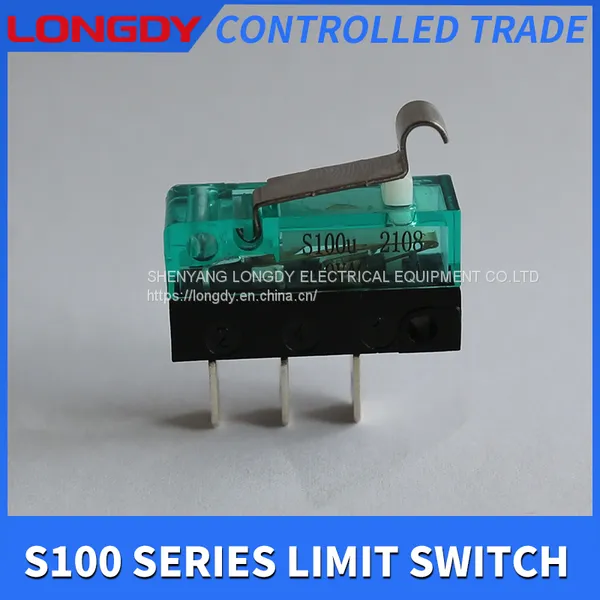
Microswitch S100u Type Suitable for Contactors Vacuum Circuit Breakers Knife Gate SwitchesUS$ 6.2 - 8MOQ: 20 Pieces
-
Microswitch Type LXF Suitable for ContactorsUS$ 17.14 - 21.43MOQ: 5 Pieces
-
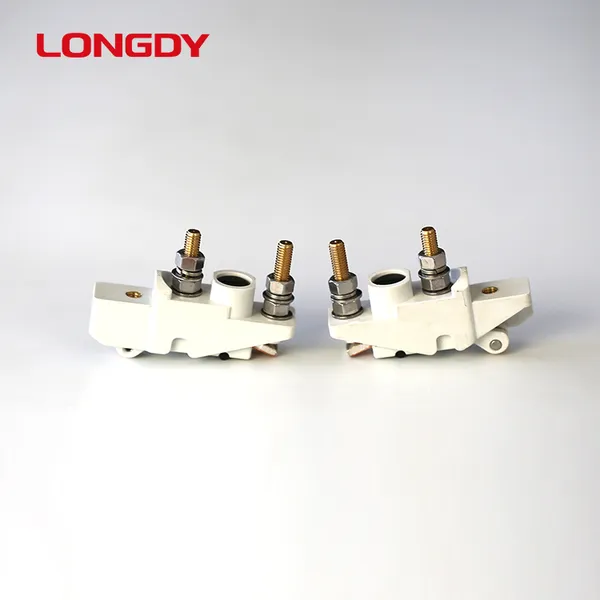
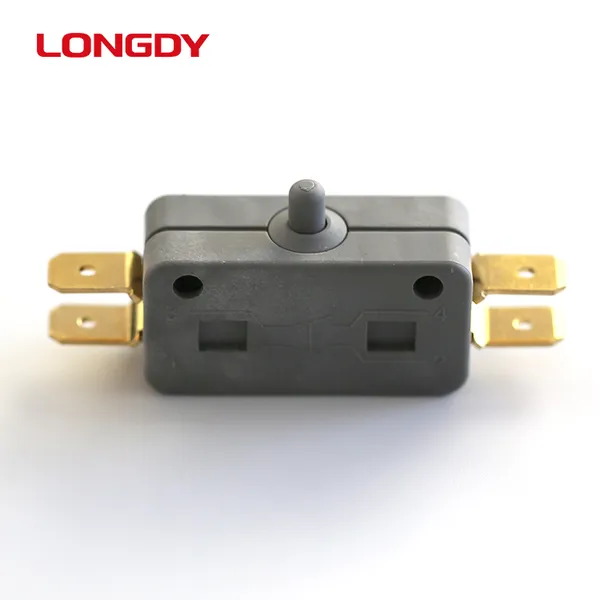
Microswitches Type LXE for ContactorsUS$ 3.57 - 4.29MOQ: 20 Pieces
-
High Voltage Auxiliary Switch FC Model Travel Switch Rack and Pinion Suitable for Hydraulic MechanismsUS$ 215.9 - 249MOQ: 5 Pieces
-
High Voltage Auxiliary Switch FK Model Pertain For Electric Mechanism Hydraulic Mechanism Disc Spring Mechanism Quick-grounding MechanismUS$ 56.2 - 60MOQ: 5 Pieces
-
Waterproof Microswitch Specialized in Machinery Industry Switches Factory Direct SaleUS$ 18.57 - 22.86MOQ: 20 Pieces
-
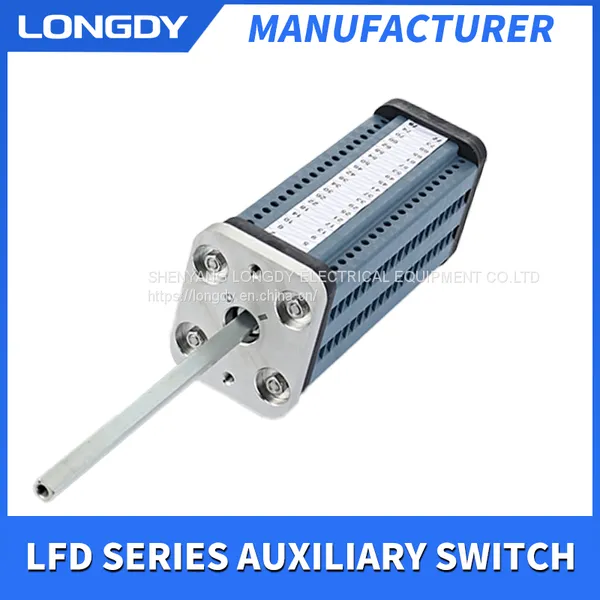
Manufacturer of LFD High-voltage Auxiliary Switch Circuit Breaker SwitchUS$ 37.9 - 40MOQ: 10 Pieces
-
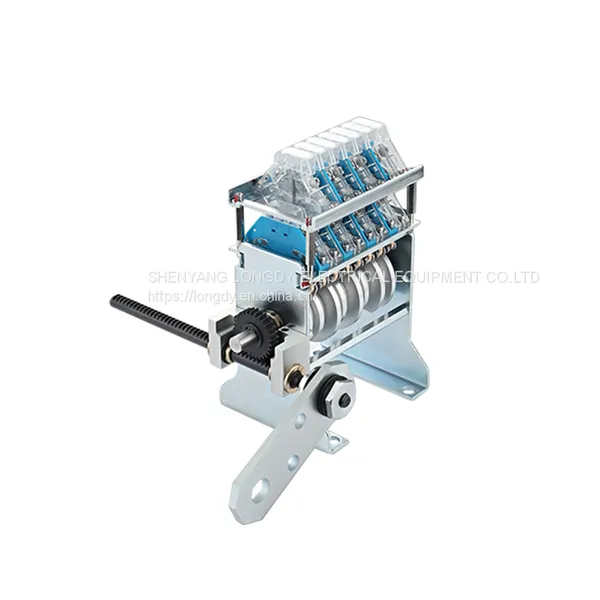
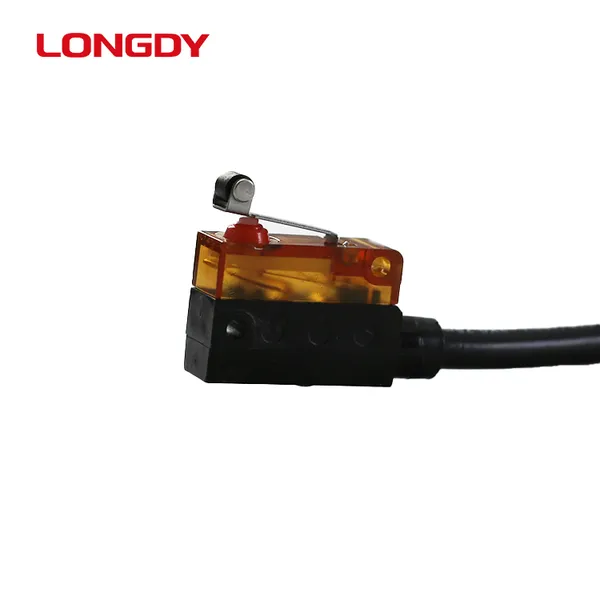
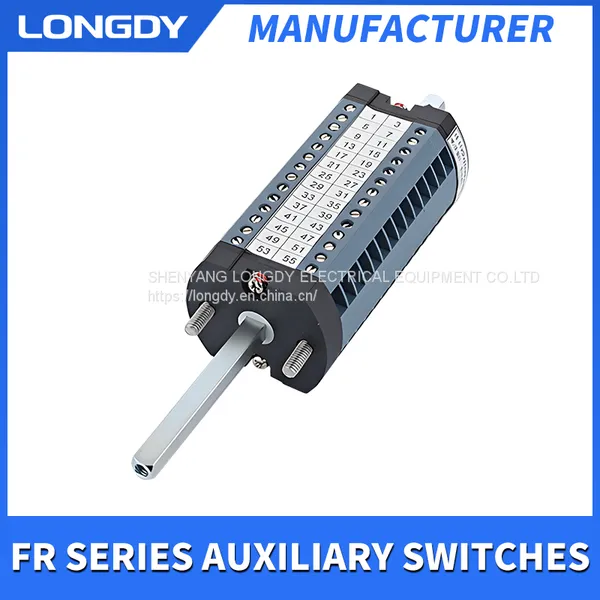
Auxiliary Switch Circuit Breaker Rail Transportation High Voltage Switch Pure Silver Contact PA66 ShellUS$ 37.5 - 55MOQ: 10 Pieces
-
Auxiliary Switch High Voltage Switch Silver Contact Mounting Accessories PC MaterialUS$ 27.7 - 35MOQ: 5 Pieces
-
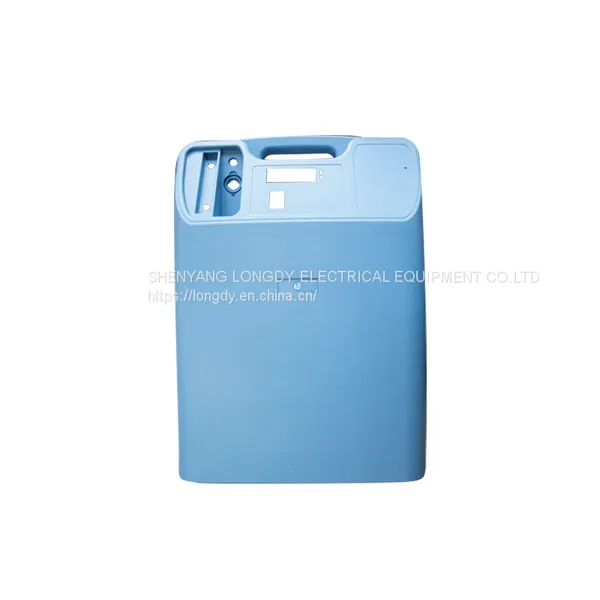
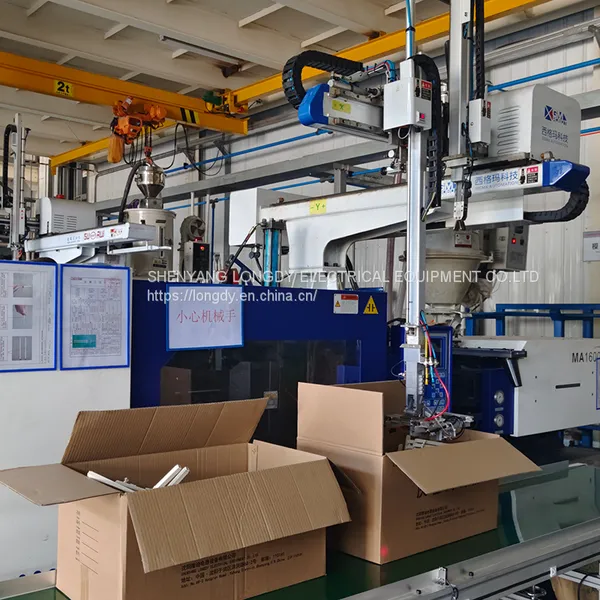
Medical Housing Plastic Housing Plastic Parts Processing Injection Molding Parts ManufacturersUS$ 20 - 80MOQ: 5000 Pieces
-
FA (F10) Fast Tap Auxiliary Switch High Voltage Switch Circuit Breaker Slow Speed Mechanism Auxiliary SwitchUS$ 20 - 25MOQ: 10 Pieces
-
The Silver Contact of the Transfer Switch Has High Contact Pressure and Strong Seismic Performance, Suitable for Industries Such as Power Industry AutomationUS$ 20.5 - 25MOQ: 5 Pieces
-
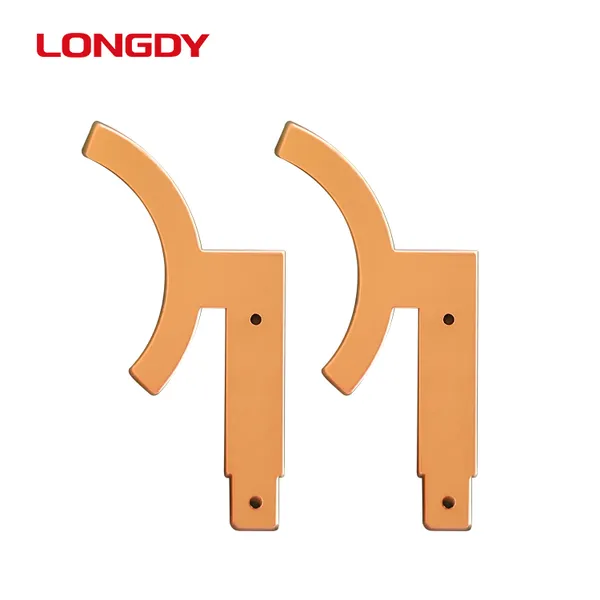
Precision Stamping Parts Processing Plant Stainless Steel Copper Aluminium Non-standard PartsUS$ 0.1 - 0.5MOQ: 1000 Pieces
-
Precision Stamping Parts Processing Source Factory Excellent Material for Non-Standard Metal PartsUS$ 0.1 - 3MOQ: 5000 Pieces
-
CNC Stamping Parts ISO 9001 Certified Machining Services High Quality Stainless Steel PartsUS$ 0.2 - 1MOQ: 2000 Pieces
-
Stamping Parts Processing Plant Stainless Steel Special-shaped Parts Custom High PrecisionUS$ 0.2 - 5MOQ: 10000 Pieces
-
Medical Equipments Shell Injection Plastic Molding ABS PC PP PVC PE Professional CustomizedUS$ 11 - 14MOQ: 100 Pieces
-
Stamping Parts Chinese Supplier Custom High Precision Non-Standard Stainless Steel Metal PartsUS$ 0.02 - 0.1MOQ: 1000 Pieces