 Business License

How to monitor roughing when machining?
Roughing is a crucial step in the machining process. It usually serves as the starting stage of the entire machining process, with the purpose of quickly removing excess material and forming the basic shape of the part. Therefore, how to effectively monitor the roughing process to ensure machining efficiency and quality has become a key concern.
1. Tool condition is one of the important factors affecting machining quality. In the roughing process, due to the large amount of cutting, the tool is subjected to a relatively heavy load, and is prone to wear or breakage. By monitoring the vibration signal, cutting force and acoustic emission signal of the tool, we can understand the working condition of the tool in real time, and once abnormalities are found, adjust or replace the tool in time to avoid the machining quality being affected.
2. Machine load is also a monitoring object that should not be ignored. Roughing high loads easily lead to large deformation of the machine tool, thus affecting the machining accuracy. Through the installation of load sensors, you can monitor the real-time load of each axis of the machine tool, and combined with the dynamic characteristics of the machine tool itself to analyze, in order to optimize the cutting parameters, reduce the load on the machine tool, improve machining stability.
3. Workpiece size is a visual measure of machining quality. Although in the roughing stage, the accuracy of the size of the workpiece is not as strict as that of the finishing process, but still need to ensure that the workpiece meets the basic shape and size requirements of the subsequent processes. The use of modern measurement technology, such as laser scanning, optical projection and other methods, can be in the case of non-contact workpiece to quickly and accurately obtain the geometric dimensional information of the workpiece, to achieve online or near-line inspection.
4. Surface quality is also an important indicator for assessing the effectiveness of roughing. In the roughing process, due to the fast cutting speed and large cutting depth, it is easy to cause high surface roughness of the workpiece. The use of surface roughness meter or other visual inspection equipment can detect the microstructure of the machined surface, detect surface defects in time, and provide a good basis for subsequent finishing.
5. Cooling lubrication in roughing should not be ignored. Appropriate cooling lubrication can not only extend tool life, but also reduce the thermal deformation of the workpiece and improve machining efficiency. Therefore, monitoring the flow and pressure of the coolant to ensure its full coverage in the cutting zone is equally important to ensure the quality of roughing.
Recently Posted
-
Discover the wonderful world of microswitches
November 24, 2025In the vast ocean of modern technology, there are countless fascinating tiny wonders. Although they are inconspicuous, they play a Read More
 -
Why use high voltage auxiliary switches for triplex mechanisms in power equipment? In-depth analysis
November 24, 2025In the complex operation system of power equipment, the three-position mechanism plays a crucial role. Among them, the application Read More
 -
Several golden rules for selecting materials in stamping processing
August 5, 2024In stamping processing, the selection of materials is crucial, because it not only affects the quality and precision of the parts, Read More
 -
How to improve the precision and efficiency of CNC machining?
August 5, 2024In modern manufacturing, CNC technology has become the core force in the production of complex parts and components with its high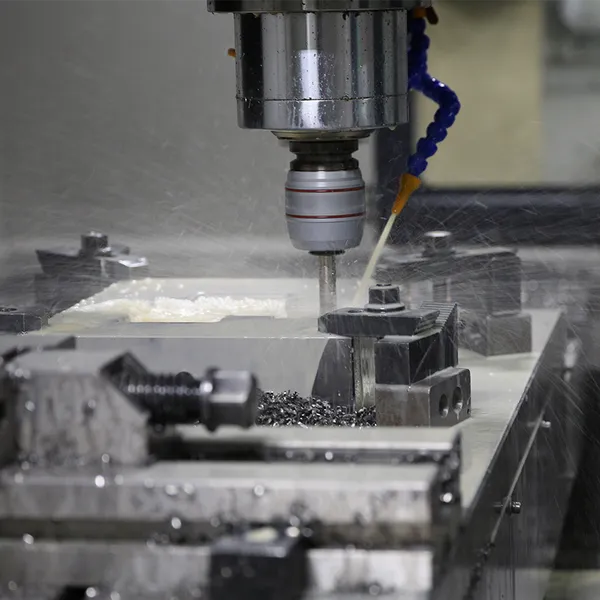 Read More

Contact Us
Recommended Products
-
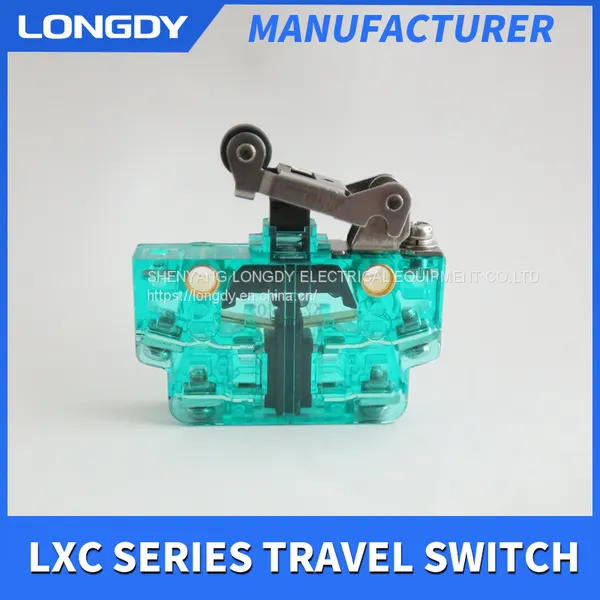
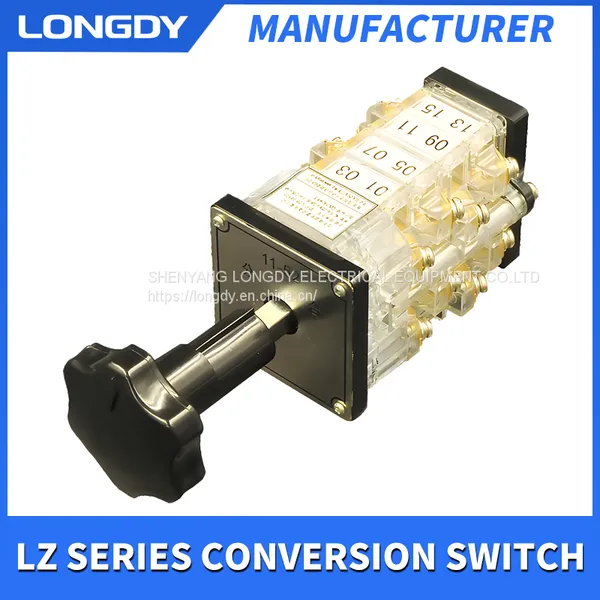
 Microswitch LXC Model Pertain Grounding Switches Knife Gate Switches Transfer Switches Contactors Metro DoorUS$ 11.6 - 15MOQ: 10 Pieces
 -
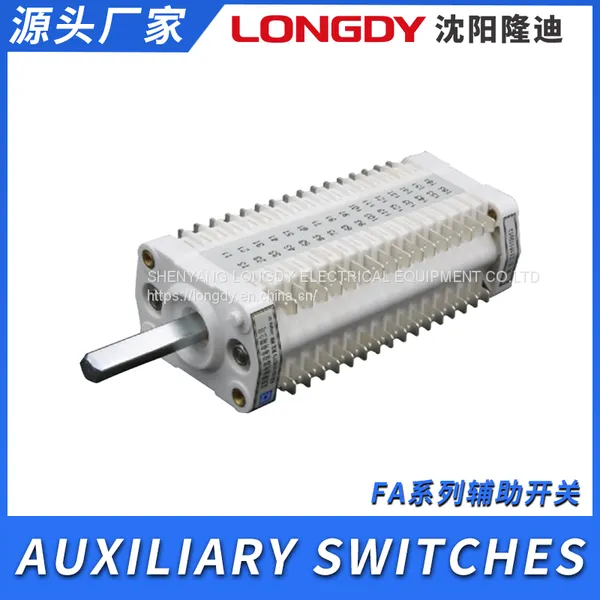
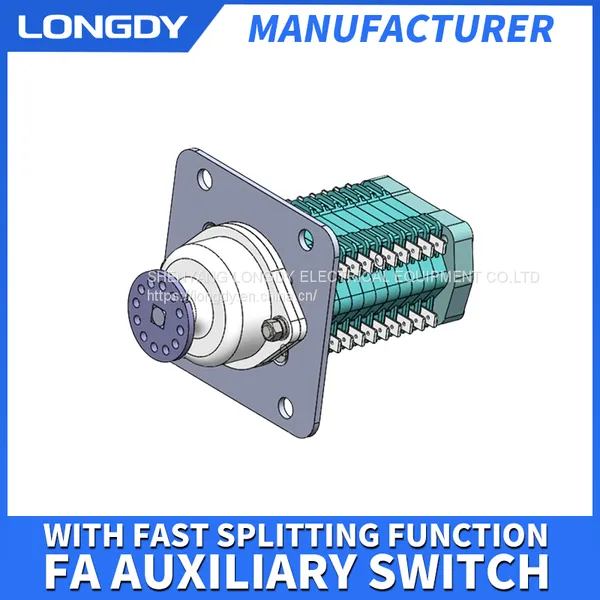
High Voltage Auxiliary Switches, Type FA, Sliding Contact Construction, for Motor-drive Mechanism, Three-position Mechanism, Quick-earthing SwitchesUS$ 14.3 - 16MOQ: 5 Pieces
-
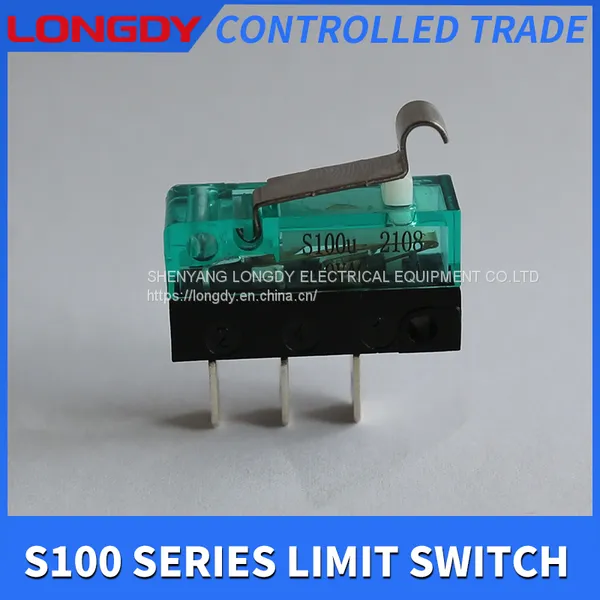
Microswitch S100u Type Suitable for Contactors Vacuum Circuit Breakers Knife Gate SwitchesUS$ 6.2 - 8MOQ: 20 Pieces
-
Microswitch Type LXF Suitable for ContactorsUS$ 17.14 - 21.43MOQ: 5 Pieces
-
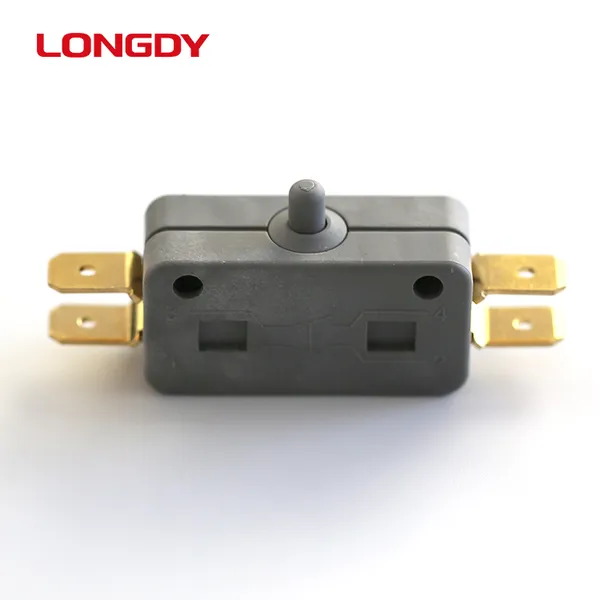
Microswitches Type LXE for ContactorsUS$ 3.57 - 4.29MOQ: 20 Pieces
-
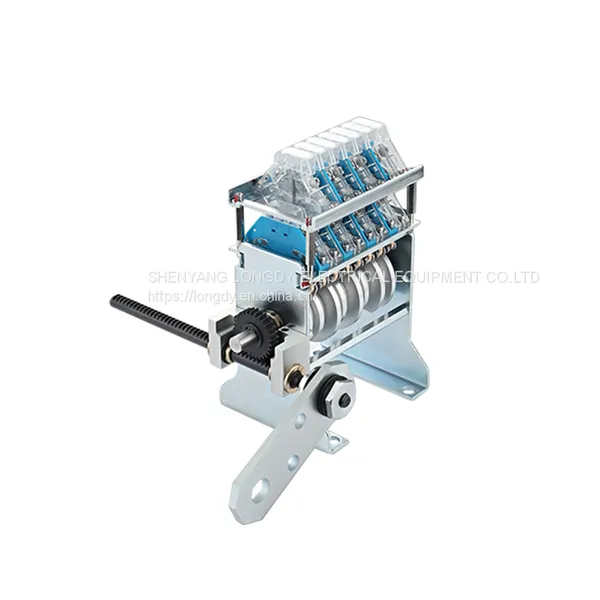
High Voltage Auxiliary Switch FC Model Travel Switch Rack and Pinion Suitable for Hydraulic MechanismsUS$ 215.9 - 249MOQ: 5 Pieces
-
High Voltage Auxiliary Switch FK Model Pertain For Electric Mechanism Hydraulic Mechanism Disc Spring Mechanism Quick-grounding MechanismUS$ 56.2 - 60MOQ: 5 Pieces
-
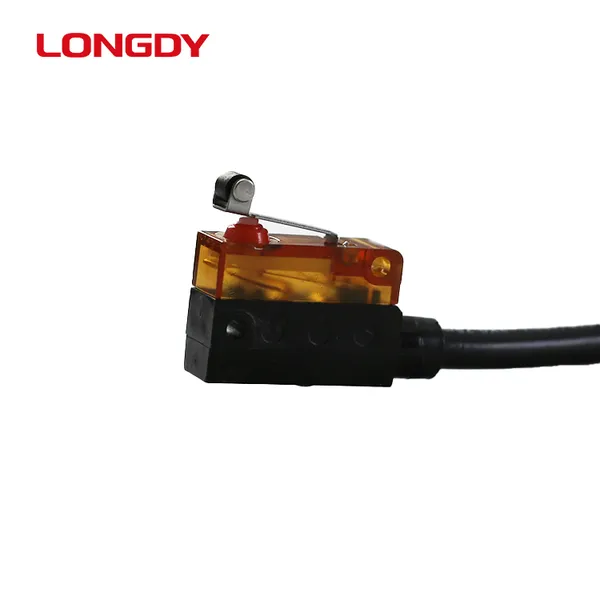
Waterproof Microswitch Specialized in Machinery Industry Switches Factory Direct SaleUS$ 18.57 - 22.86MOQ: 20 Pieces
-
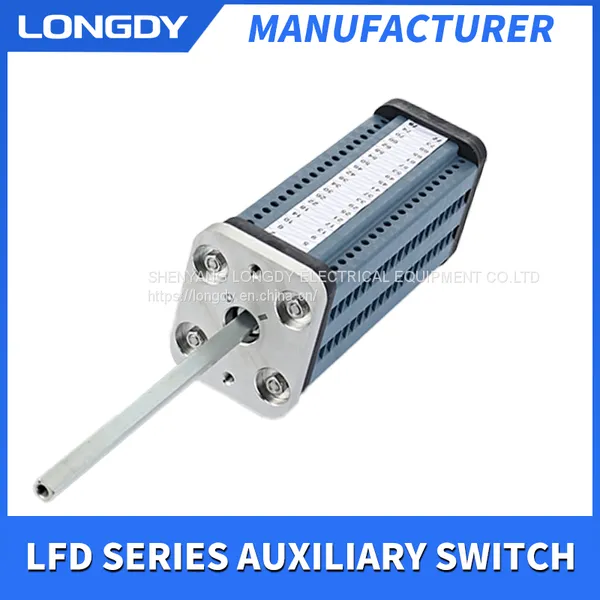
Manufacturer of LFD High-voltage Auxiliary Switch Circuit Breaker SwitchUS$ 37.9 - 40MOQ: 10 Pieces
-
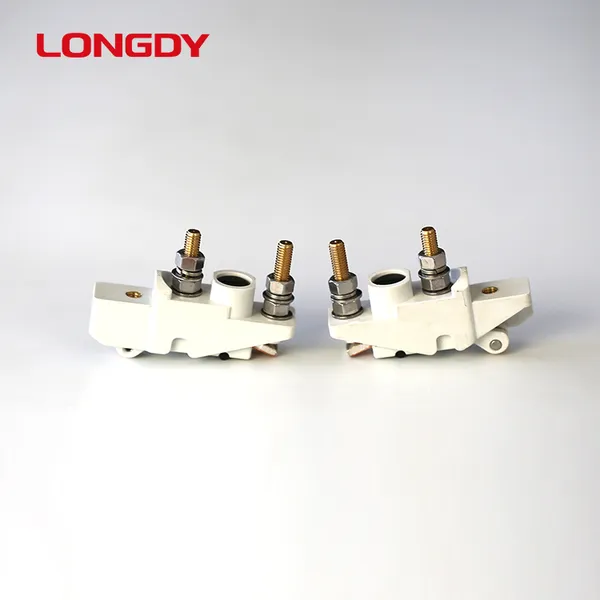
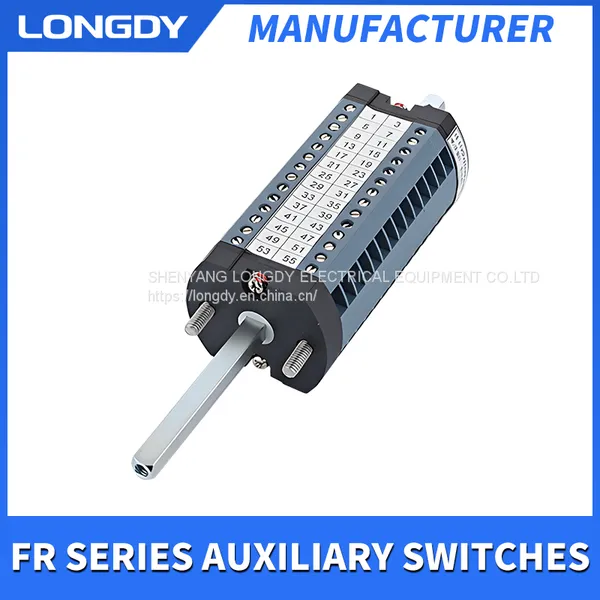
Auxiliary Switch Circuit Breaker Rail Transportation High Voltage Switch Pure Silver Contact PA66 ShellUS$ 37.5 - 55MOQ: 10 Pieces
-
Auxiliary Switch High Voltage Switch Silver Contact Mounting Accessories PC MaterialUS$ 27.7 - 35MOQ: 5 Pieces
-
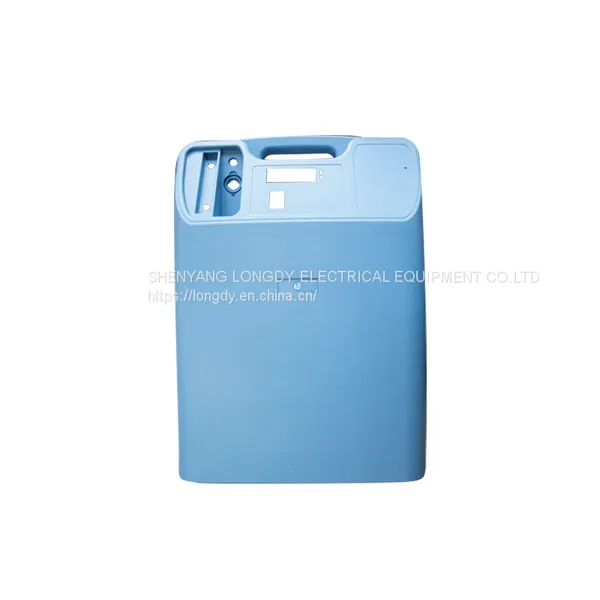
Medical Housing Plastic Housing Plastic Parts Processing Injection Molding Parts ManufacturersUS$ 20 - 80MOQ: 5000 Pieces
-
FA (F10) Fast Tap Auxiliary Switch High Voltage Switch Circuit Breaker Slow Speed Mechanism Auxiliary SwitchUS$ 20 - 25MOQ: 10 Pieces
-
The Silver Contact of the Transfer Switch Has High Contact Pressure and Strong Seismic Performance, Suitable for Industries Such as Power Industry AutomationUS$ 20.5 - 25MOQ: 5 Pieces
-
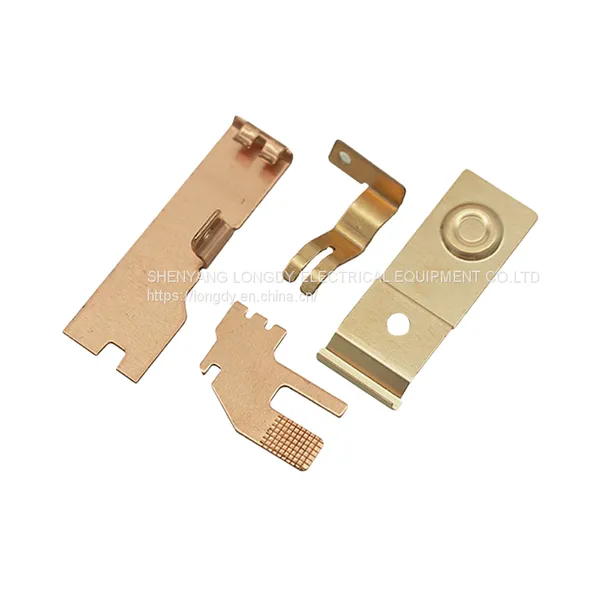
Precision Stamping Parts Processing Plant Stainless Steel Copper Aluminium Non-standard PartsUS$ 0.1 - 0.5MOQ: 1000 Pieces
-
Precision Stamping Parts Processing Source Factory Excellent Material for Non-Standard Metal PartsUS$ 0.1 - 3MOQ: 5000 Pieces
-
CNC Stamping Parts ISO 9001 Certified Machining Services High Quality Stainless Steel PartsUS$ 0.2 - 1MOQ: 2000 Pieces
-
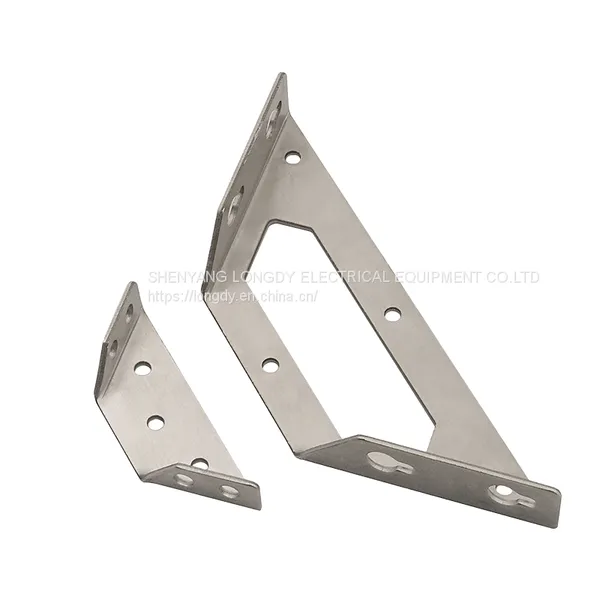
Stamping Parts Processing Plant Stainless Steel Special-shaped Parts Custom High PrecisionUS$ 0.2 - 5MOQ: 10000 Pieces
-
Medical Equipments Shell Injection Plastic Molding ABS PC PP PVC PE Professional CustomizedUS$ 11 - 14MOQ: 100 Pieces
-
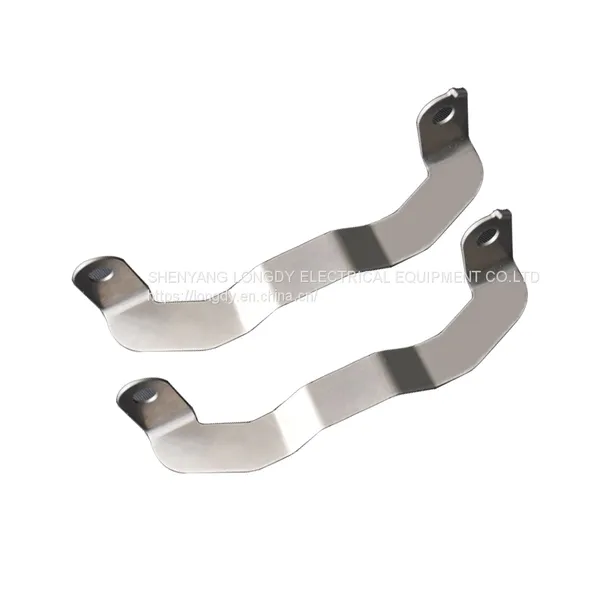
Stamping Parts Chinese Supplier Custom High Precision Non-Standard Stainless Steel Metal PartsUS$ 0.02 - 0.1MOQ: 1000 Pieces