 Business License

Stamping mold manufacturing of flanging die points
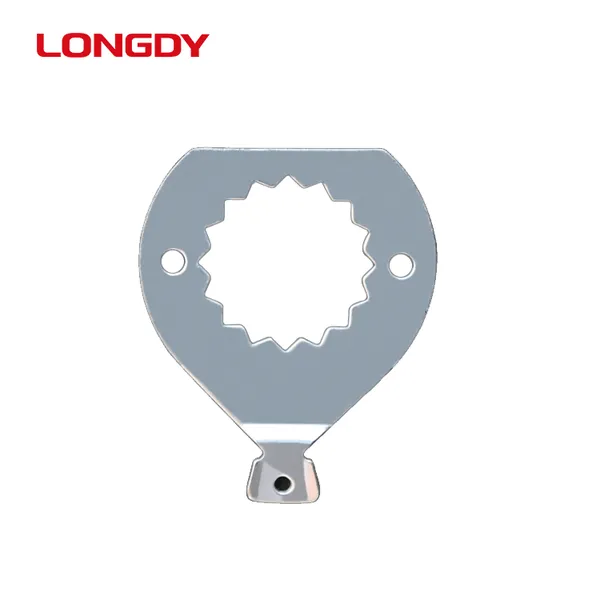
Stamping dies are one of the indispensable tools in modern manufacturing industry, and they play an important role in automobile, home appliance, aerospace and other industries. As a kind of stamping die, flanging die is mainly used for precision processing of shape and size of the edge of the plate.
The core function of a flanging die is to form a certain angle or shape of the edge of a flat material after stamping, so as to provide the necessary connecting structure for subsequent assembly or further processing. Factors that must be considered when designing a flanging die include the nature of the material, the requirements of the finished product, production efficiency, and cost control. The following is a detailed analysis of the key points:
1. Material Selection. High-quality mold steel is the key to ensure mold life and machining accuracy. Commonly used materials are SKD11, DC53 and other high hardness, high toughness tool steel. The heat treatment of the material is also very critical, reasonable quenching and tempering process can enhance the wear resistance and impact resistance of the mold.
2. Mold design. The designer needs to draw detailed drawings of the mold according to the specific requirements of the product. The drawing should contain all the necessary dimensions, angles and tolerances. In addition, considering the metal flow characteristics, the design should leave a reasonable margin to adapt to the deformation of the material in the stamping process.
3. Mold processing. High-precision numerical control (CNC) machines are preferred for making flanging dies. With the use of computer programming, accurate machining of each part of the die can be realized. During the machining process, grinding and EDM are also required to further improve the surface roughness and geometric accuracy of the mold.
4. Mold assembly. All the machined parts need to be assembled according to the drawings. High quality assembly not only affects the function of the mold, but also directly relates to the quality of the final product. Therefore, professional technicians and strict inspection process are indispensable.
5. Trial mold and adjustment. Before actual production, mold trial must be conducted to check the performance of the mold. Any problems found should be adjusted in time until the mold can produce qualified products stably.
In the whole manufacturing process, quality control is the theme throughout. Whether it is raw material inspection, intermediate process monitoring or final product inspection, strict quality standards must be followed.
Recently Posted
-
Discover the wonderful world of microswitches
November 24, 2025In the vast ocean of modern technology, there are countless fascinating tiny wonders. Although they are inconspicuous, they play a Read More
 -
Why use high voltage auxiliary switches for triplex mechanisms in power equipment? In-depth analysis
November 24, 2025In the complex operation system of power equipment, the three-position mechanism plays a crucial role. Among them, the application Read More
 -
Several golden rules for selecting materials in stamping processing
August 5, 2024In stamping processing, the selection of materials is crucial, because it not only affects the quality and precision of the parts, Read More
 -
How to improve the precision and efficiency of CNC machining?
August 5, 2024In modern manufacturing, CNC technology has become the core force in the production of complex parts and components with its high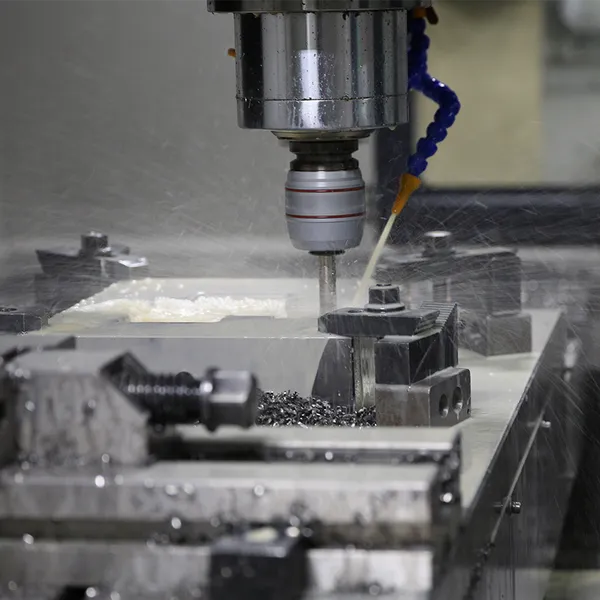 Read More

Contact Us
Recommended Products
-
 Microswitch LXC Model Pertain Grounding Switches Knife Gate Switches Transfer Switches Contactors Metro DoorUS$ 11.6 - 15MOQ: 10 Pieces
 -
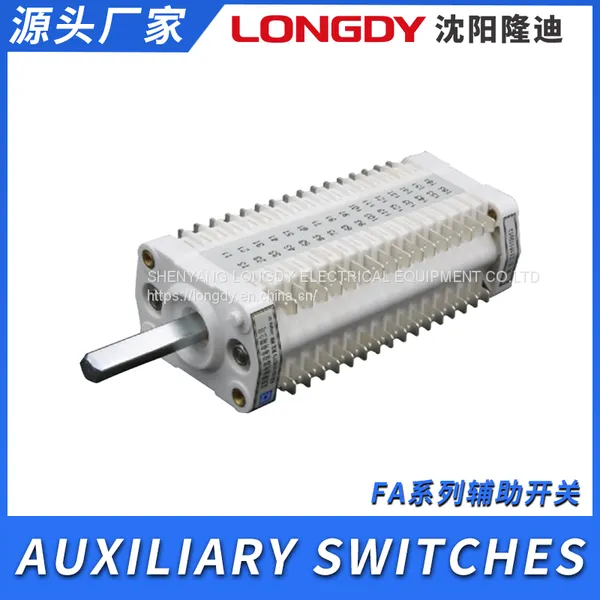
High Voltage Auxiliary Switches, Type FA, Sliding Contact Construction, for Motor-drive Mechanism, Three-position Mechanism, Quick-earthing SwitchesUS$ 14.3 - 16MOQ: 5 Pieces
-
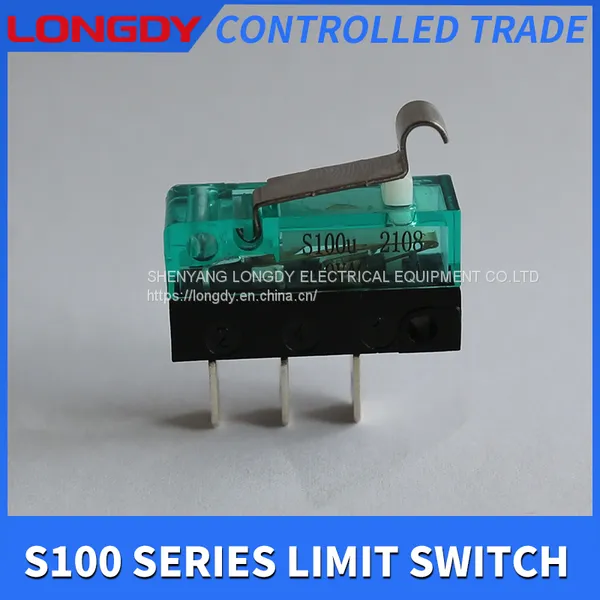
Microswitch S100u Type Suitable for Contactors Vacuum Circuit Breakers Knife Gate SwitchesUS$ 6.2 - 8MOQ: 20 Pieces
-
Microswitch Type LXF Suitable for ContactorsUS$ 17.14 - 21.43MOQ: 5 Pieces
-
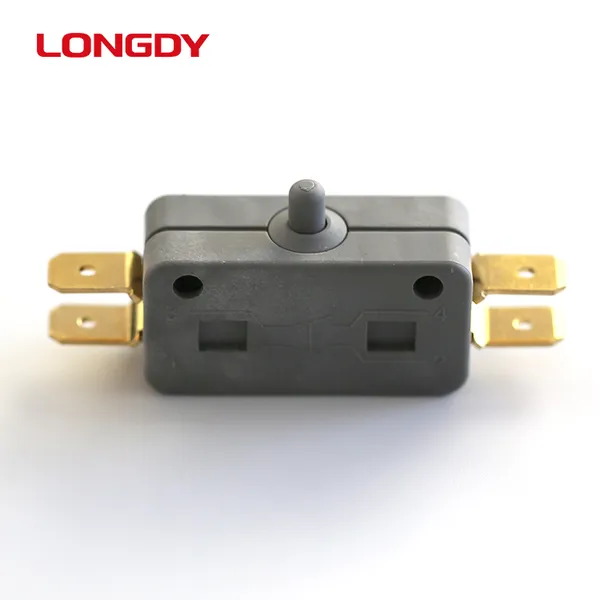
Microswitches Type LXE for ContactorsUS$ 3.57 - 4.29MOQ: 20 Pieces

-
High Voltage Auxiliary Switch FC Model Travel Switch Rack and Pinion Suitable for Hydraulic MechanismsUS$ 215.9 - 249MOQ: 5 Pieces
-
High Voltage Auxiliary Switch FK Model Pertain For Electric Mechanism Hydraulic Mechanism Disc Spring Mechanism Quick-grounding MechanismUS$ 56.2 - 60MOQ: 5 Pieces
-
Waterproof Microswitch Specialized in Machinery Industry Switches Factory Direct SaleUS$ 18.57 - 22.86MOQ: 20 Pieces
-
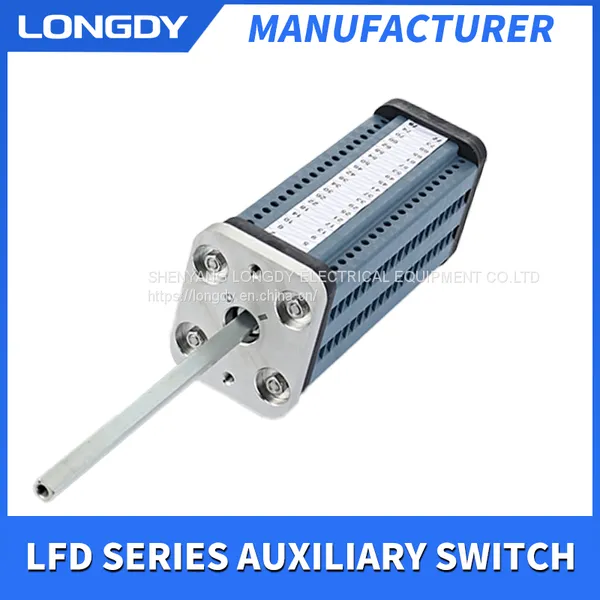
Manufacturer of LFD High-voltage Auxiliary Switch Circuit Breaker SwitchUS$ 37.9 - 40MOQ: 10 Pieces
-
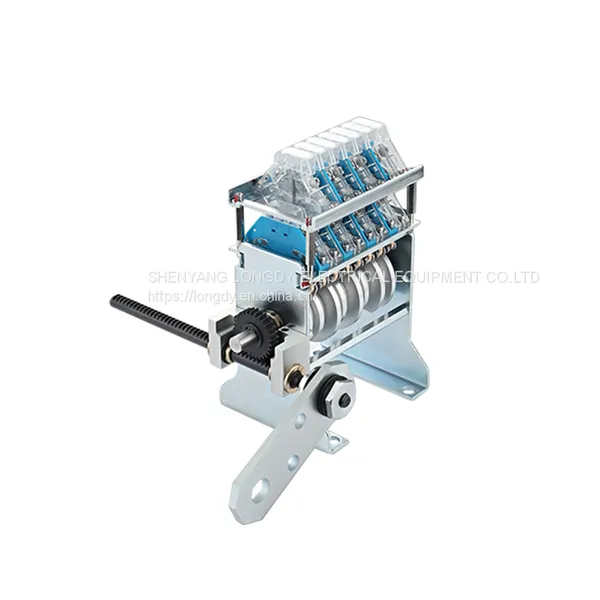
Auxiliary Switch Circuit Breaker Rail Transportation High Voltage Switch Pure Silver Contact PA66 ShellUS$ 37.5 - 55MOQ: 10 Pieces
-
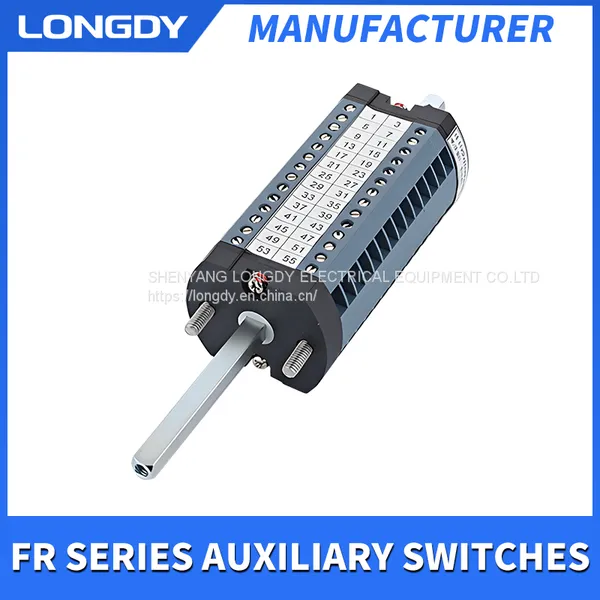
Auxiliary Switch High Voltage Switch Silver Contact Mounting Accessories PC MaterialUS$ 27.7 - 35MOQ: 5 Pieces
-
Medical Housing Plastic Housing Plastic Parts Processing Injection Molding Parts ManufacturersUS$ 20 - 80MOQ: 5000 Pieces
-
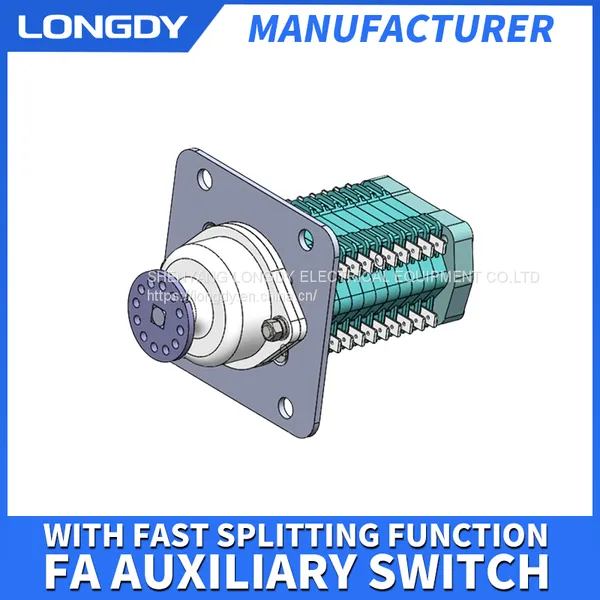
FA (F10) Fast Tap Auxiliary Switch High Voltage Switch Circuit Breaker Slow Speed Mechanism Auxiliary SwitchUS$ 20 - 25MOQ: 10 Pieces
-
The Silver Contact of the Transfer Switch Has High Contact Pressure and Strong Seismic Performance, Suitable for Industries Such as Power Industry AutomationUS$ 20.5 - 25MOQ: 5 Pieces
-
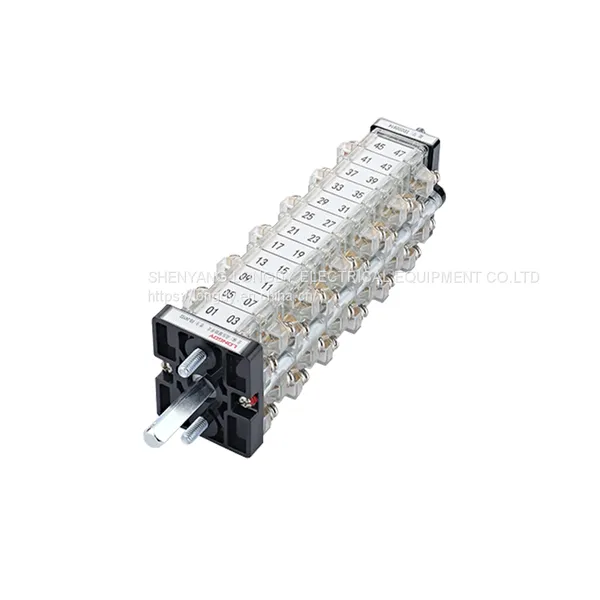
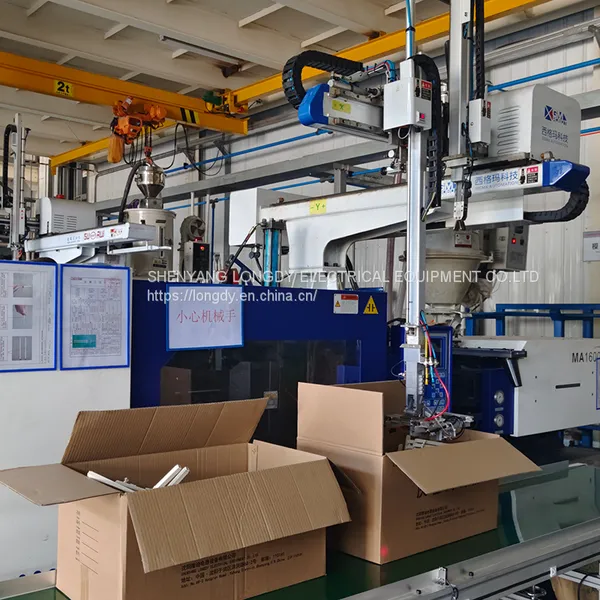
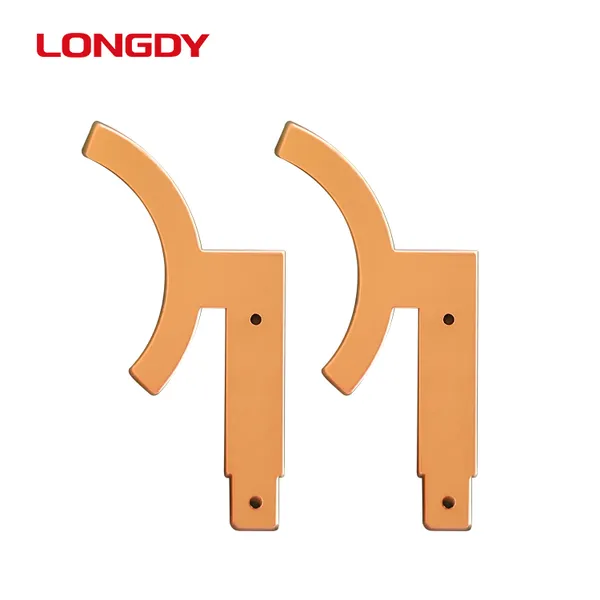
Precision Stamping Parts Processing Plant Stainless Steel Copper Aluminium Non-standard PartsUS$ 0.1 - 0.5MOQ: 1000 Pieces
-
Precision Stamping Parts Processing Source Factory Excellent Material for Non-Standard Metal PartsUS$ 0.1 - 3MOQ: 5000 Pieces
-
CNC Stamping Parts ISO 9001 Certified Machining Services High Quality Stainless Steel PartsUS$ 0.2 - 1MOQ: 2000 Pieces
-
Stamping Parts Processing Plant Stainless Steel Special-shaped Parts Custom High PrecisionUS$ 0.2 - 5MOQ: 10000 Pieces
-
Medical Equipments Shell Injection Plastic Molding ABS PC PP PVC PE Professional CustomizedUS$ 11 - 14MOQ: 100 Pieces
-
Stamping Parts Chinese Supplier Custom High Precision Non-Standard Stainless Steel Metal PartsUS$ 0.02 - 0.1MOQ: 1000 Pieces