 Business License

What are the advantages of fine blanking in stamping processing?
Stamping processing, as a basic technology in the modern manufacturing industry, has a wide range of applications involving automobiles, aviation, precision instruments and many other fields. And fine blanking is an advanced stage in stamping processing, which is known for its high precision and quality. This paper will discuss the advantages of fine blanking in depth and analyze its importance in modern industry.
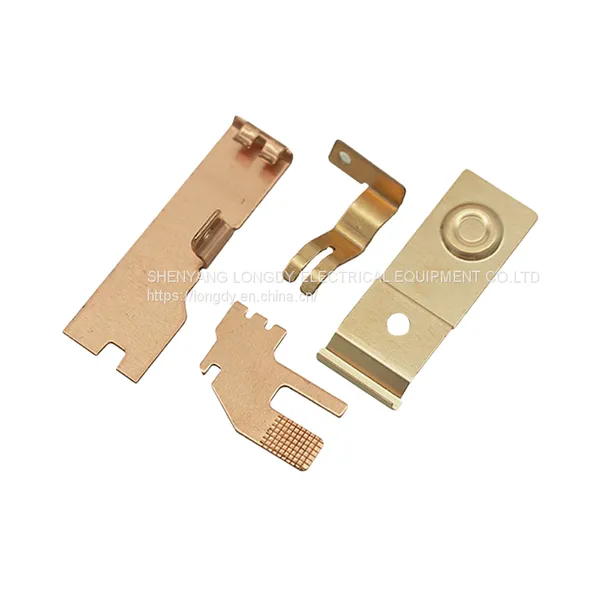
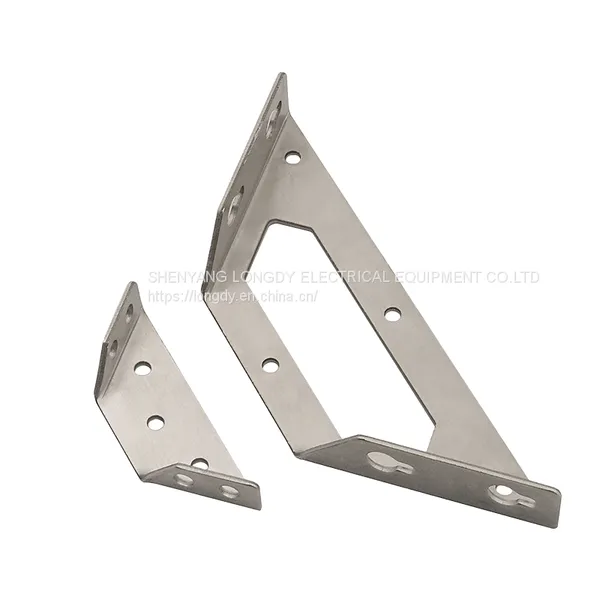
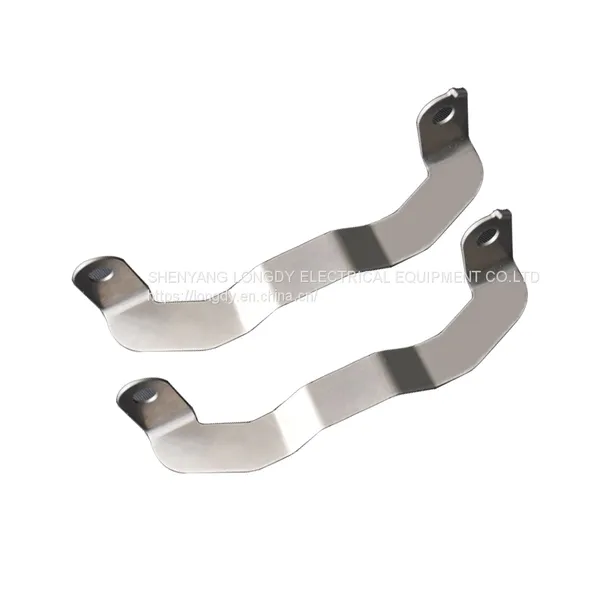
Fine blanking is a stamping process that uses presses and dies to plastically deform metal sheets or strips at room temperature. Fine blanking has significant advantages over conventional stamping. The first and foremost is the improvement of precision. While conventional stamping is difficult to achieve high dimensional accuracy and surface quality due to process limitations, fine blanking is capable of achieving micron-level machining accuracy, which is particularly important for demanding aerospace components.
Fine blanking in stamping enables the machining of more complex shapes. With finely designed tooling and optimized process parameters, fine blanking can produce complex three-dimensional geometries that are often difficult to achieve in conventional stamping. This means that designers have greater freedom when designing products, which drives innovation in design and functionality.
High material utilization in fine blanking. As the material deforms uniformly during fine blanking, less scrap is produced, which can lead to significant cost reductions in mass production. At the same time, the reduction of material waste is also in line with the concept of sustainable development, which helps companies to establish a green manufacturing image.
The quality of products processed by fine blanking is stable. Since the deformation of material during fine blanking is controlled, the quality of each product is consistent. This consistency is critical for mass-produced products because it ensures product reliability and user satisfaction.
Another advantage of fine blanking is high productivity. While fine blanking tooling may cost more to design and build than traditional stamping, once mass production begins, the speed and consistency of fine blanking will significantly shorten cycle times and increase yields. This is a huge advantage for companies that need to respond quickly to changes in the marketplace.
Fine blanking also excels when it comes to environmental protection. Due to its high material utilization and low waste generation, it has a low environmental impact during the production process. This fits in with the increasing global emphasis on environmental sustainability and helps companies to remain competitive in today's world of increasingly stringent environmental regulations.
Recently Posted
-
Discover the wonderful world of microswitches
November 24, 2025In the vast ocean of modern technology, there are countless fascinating tiny wonders. Although they are inconspicuous, they play a Read More
 -
Why use high voltage auxiliary switches for triplex mechanisms in power equipment? In-depth analysis
November 24, 2025In the complex operation system of power equipment, the three-position mechanism plays a crucial role. Among them, the application Read More
 -
Several golden rules for selecting materials in stamping processing
August 5, 2024In stamping processing, the selection of materials is crucial, because it not only affects the quality and precision of the parts, Read More
 -
How to improve the precision and efficiency of CNC machining?
August 5, 2024In modern manufacturing, CNC technology has become the core force in the production of complex parts and components with its high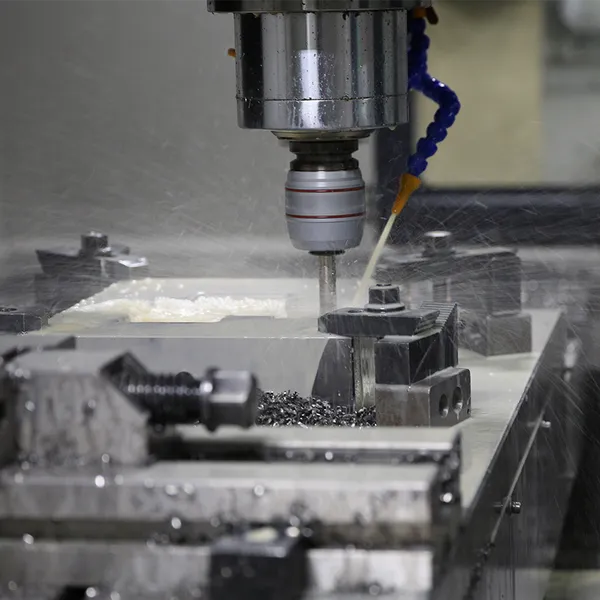 Read More

Contact Us
Recommended Products
-
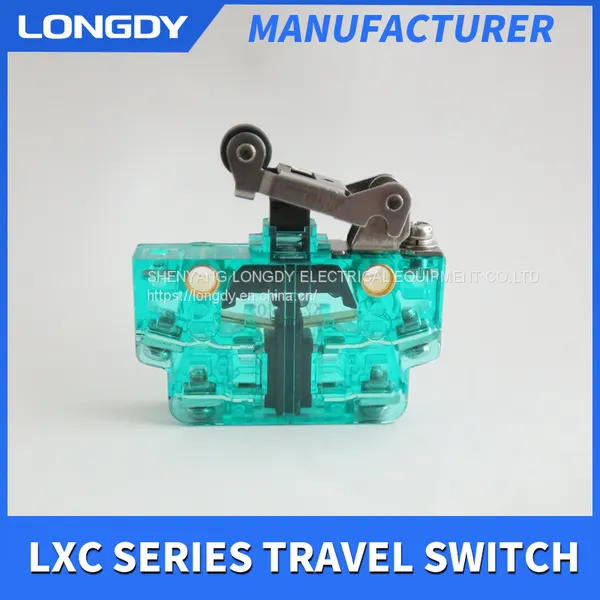
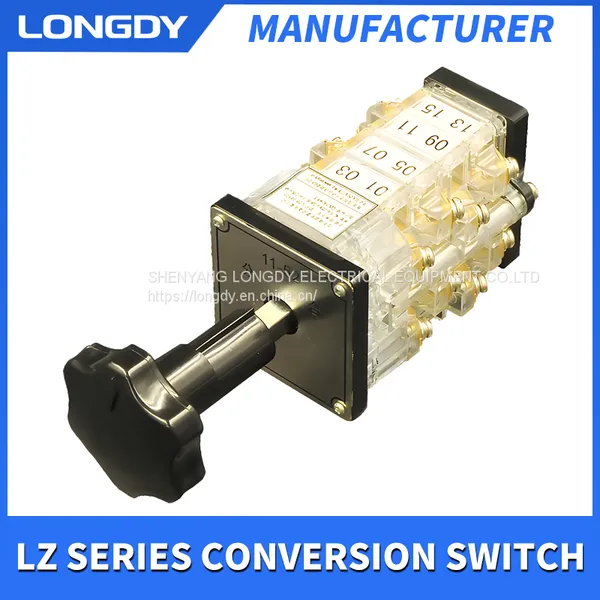
 Microswitch LXC Model Pertain Grounding Switches Knife Gate Switches Transfer Switches Contactors Metro DoorUS$ 11.6 - 15MOQ: 10 Pieces
 -
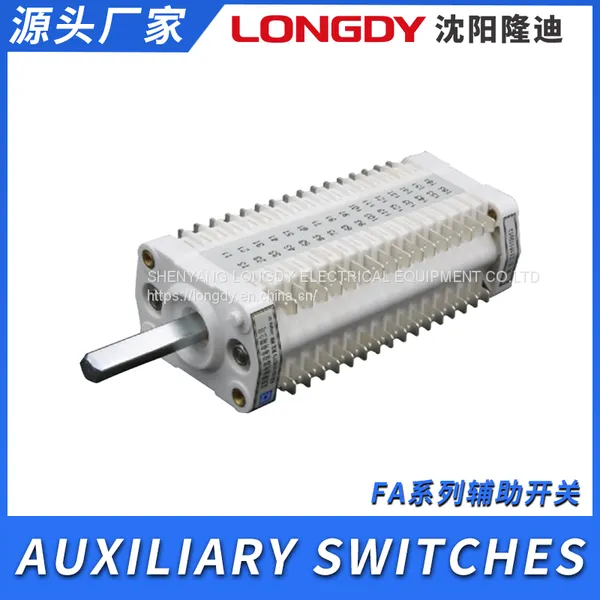
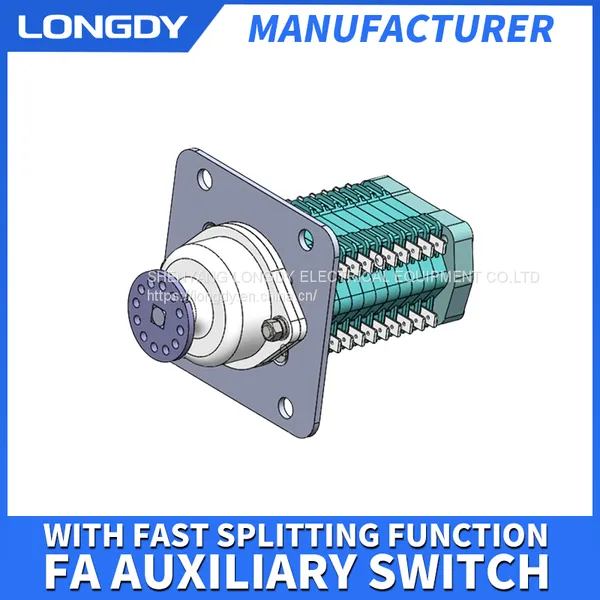
High Voltage Auxiliary Switches, Type FA, Sliding Contact Construction, for Motor-drive Mechanism, Three-position Mechanism, Quick-earthing SwitchesUS$ 14.3 - 16MOQ: 5 Pieces
-
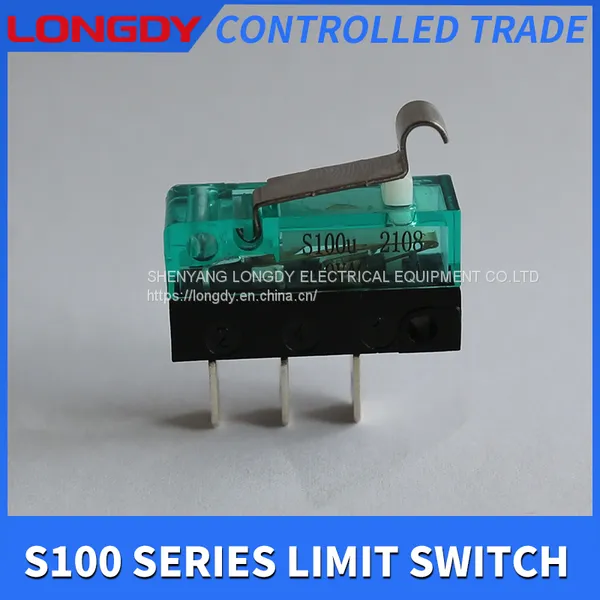
Microswitch S100u Type Suitable for Contactors Vacuum Circuit Breakers Knife Gate SwitchesUS$ 6.2 - 8MOQ: 20 Pieces
-
Microswitch Type LXF Suitable for ContactorsUS$ 17.14 - 21.43MOQ: 5 Pieces
-
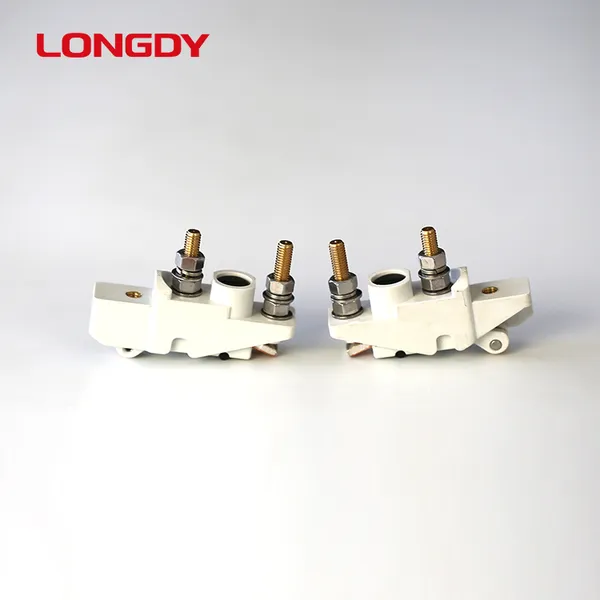
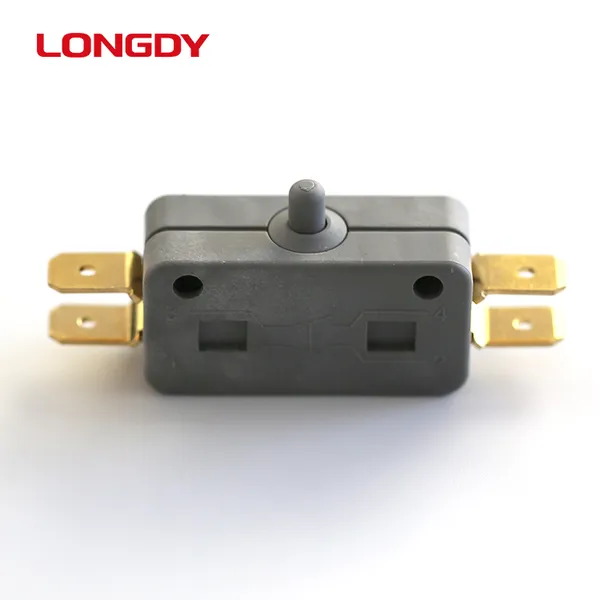
Microswitches Type LXE for ContactorsUS$ 3.57 - 4.29MOQ: 20 Pieces
-
High Voltage Auxiliary Switch FC Model Travel Switch Rack and Pinion Suitable for Hydraulic MechanismsUS$ 215.9 - 249MOQ: 5 Pieces
-
High Voltage Auxiliary Switch FK Model Pertain For Electric Mechanism Hydraulic Mechanism Disc Spring Mechanism Quick-grounding MechanismUS$ 56.2 - 60MOQ: 5 Pieces
-
Waterproof Microswitch Specialized in Machinery Industry Switches Factory Direct SaleUS$ 18.57 - 22.86MOQ: 20 Pieces
-
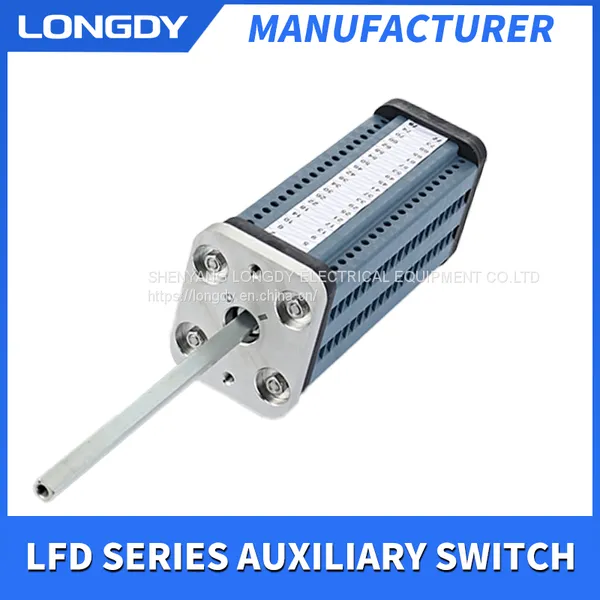
Manufacturer of LFD High-voltage Auxiliary Switch Circuit Breaker SwitchUS$ 37.9 - 40MOQ: 10 Pieces
-
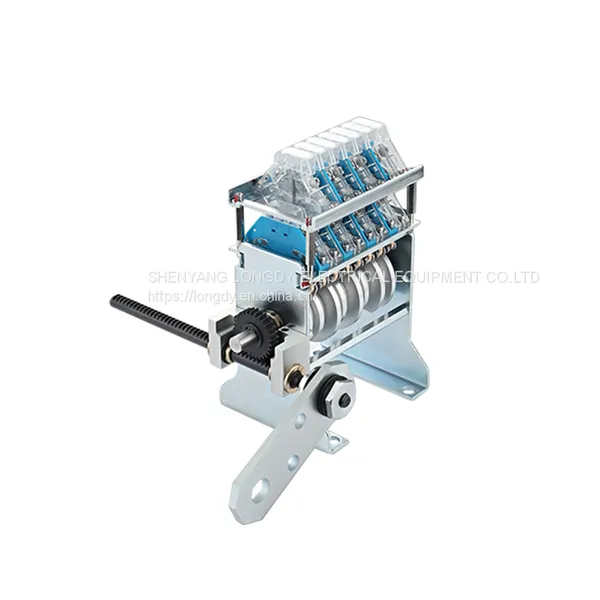
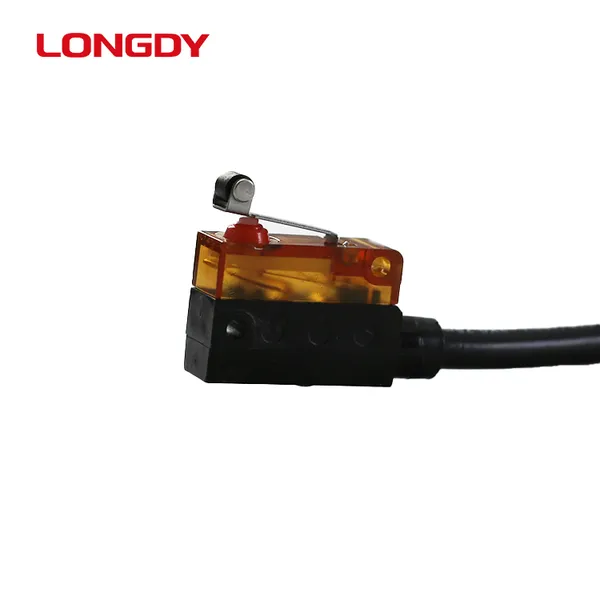
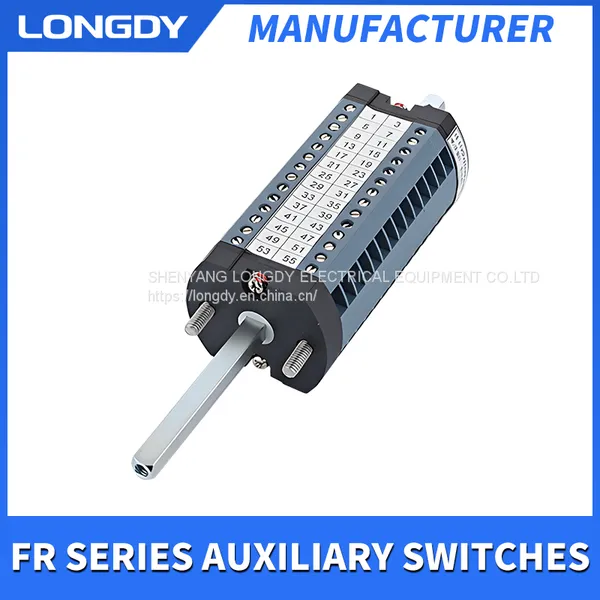
Auxiliary Switch Circuit Breaker Rail Transportation High Voltage Switch Pure Silver Contact PA66 ShellUS$ 37.5 - 55MOQ: 10 Pieces
-
Auxiliary Switch High Voltage Switch Silver Contact Mounting Accessories PC MaterialUS$ 27.7 - 35MOQ: 5 Pieces
-
Medical Housing Plastic Housing Plastic Parts Processing Injection Molding Parts ManufacturersUS$ 20 - 80MOQ: 5000 Pieces
-
FA (F10) Fast Tap Auxiliary Switch High Voltage Switch Circuit Breaker Slow Speed Mechanism Auxiliary SwitchUS$ 20 - 25MOQ: 10 Pieces
-
The Silver Contact of the Transfer Switch Has High Contact Pressure and Strong Seismic Performance, Suitable for Industries Such as Power Industry AutomationUS$ 20.5 - 25MOQ: 5 Pieces
-
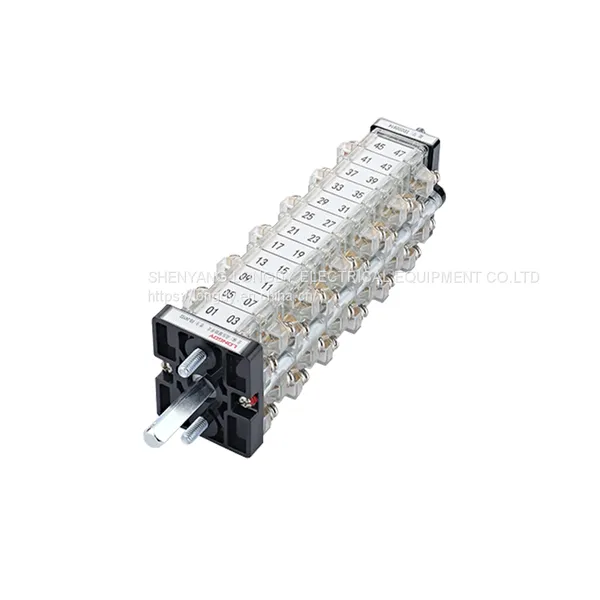
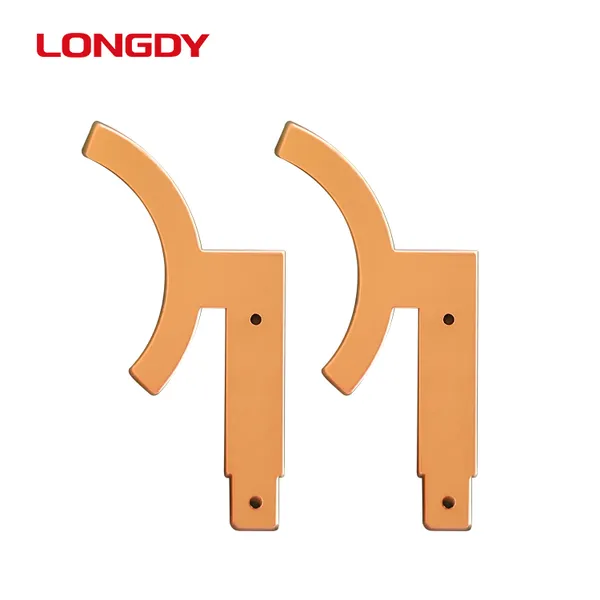
Precision Stamping Parts Processing Plant Stainless Steel Copper Aluminium Non-standard PartsUS$ 0.1 - 0.5MOQ: 1000 Pieces
-
Precision Stamping Parts Processing Source Factory Excellent Material for Non-Standard Metal PartsUS$ 0.1 - 3MOQ: 5000 Pieces
-
CNC Stamping Parts ISO 9001 Certified Machining Services High Quality Stainless Steel PartsUS$ 0.2 - 1MOQ: 2000 Pieces
-
Stamping Parts Processing Plant Stainless Steel Special-shaped Parts Custom High PrecisionUS$ 0.2 - 5MOQ: 10000 Pieces
-
Medical Equipments Shell Injection Plastic Molding ABS PC PP PVC PE Professional CustomizedUS$ 11 - 14MOQ: 100 Pieces
-
Stamping Parts Chinese Supplier Custom High Precision Non-Standard Stainless Steel Metal PartsUS$ 0.02 - 0.1MOQ: 1000 Pieces