 Business License

Advantages and disadvantages of choosing a hot runner feeder for injection molding processing
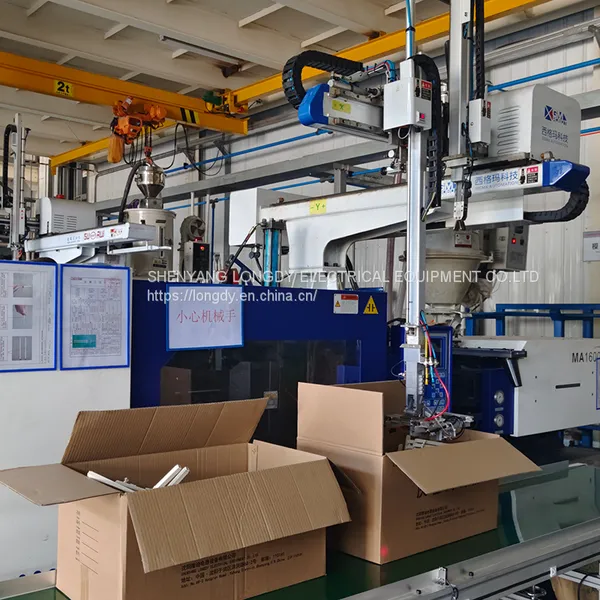
In the field of injection molding, choosing the right glue feeding method is crucial to improving product quality, reducing costs and increasing productivity. The advantages and disadvantages of hot runner feeding, as a common feeding method, are worth exploring in depth.
A hot runner feeding system, as the name suggests, is a system that keeps the plastic material in a molten state by heating it, thus realizing continuous injection. The working principle of this system is to maintain the molten state of the plastic in the runner through the heater, avoiding the waste of material caused by the cooling and solidification of the plastic in the traditional cold runner system.
Let's first look at the advantages of choosing a hot runner for injection molding. There is no more significant advantage than material savings. Because a hot runner system keeps the plastic in a molten state, waste between injection cycles is greatly reduced, which is especially important for materials that are expensive or difficult to recycle. In addition, hot runner feed allows for fast production because it reduces the time it takes for the plastic to go from a molten state to a cooled state, thereby shortening the entire injection cycle and increasing productivity.
Hot runner systems also provide a more uniform temperature distribution because the plastic in the runner remains molten throughout the injection process, which helps ensure consistent quality of the injected product. In addition, hot runner systems also help to reduce energy consumption due to less cooling and reheating of the material, which in turn reduces the cost of production for injection molding.
There are some drawbacks to choosing hot runner feed for injection molding processes. The first is the cost of the system. The design and manufacture of hot runner systems is relatively complex, requiring sophisticated temperature control equipment and specialized maintenance, which makes the initial investment relatively high. Second is the complexity of temperature control. The need to maintain precise temperatures to ensure that plastics do not cure in the runners requires highly accurate temperature control equipment and specialized operating skills.
Another drawback to consider is that hot runner systems can lead to elevated mold temperatures, which can affect the dimensional stability and mechanical properties of the product. In addition, hot runner systems may be less suitable for certain specialty materials, such as those that are sensitive to temperature changes or that tend to decompose.
In practice, the choice between hot and cold runner systems requires a comprehensive decision based on specific product requirements, material properties, production volumes and cost considerations. For example, for high volume production of small parts, a hot runner system can significantly increase productivity and reduce costs, whereas for low volume production or large parts, a cold runner system may be more economical and practical.
Recently Posted
-
Discover the wonderful world of microswitches
November 24, 2025In the vast ocean of modern technology, there are countless fascinating tiny wonders. Although they are inconspicuous, they play a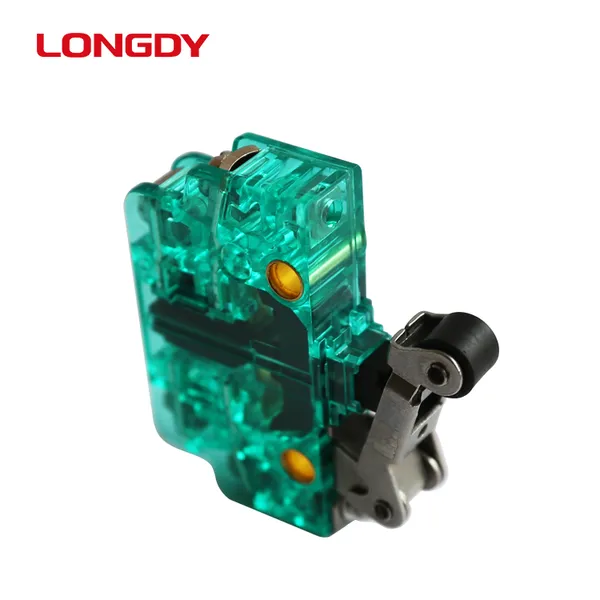 Read More
 -
Why use high voltage auxiliary switches for triplex mechanisms in power equipment? In-depth analysis
November 24, 2025In the complex operation system of power equipment, the three-position mechanism plays a crucial role. Among them, the application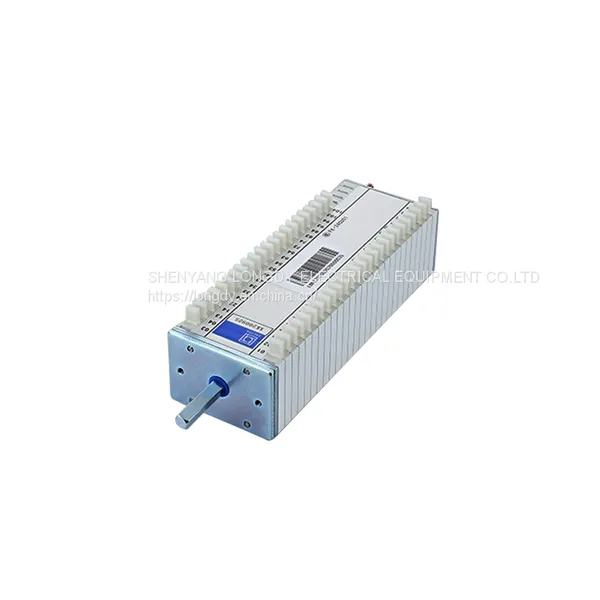 Read More
 -
Several golden rules for selecting materials in stamping processing
August 5, 2024In stamping processing, the selection of materials is crucial, because it not only affects the quality and precision of the parts,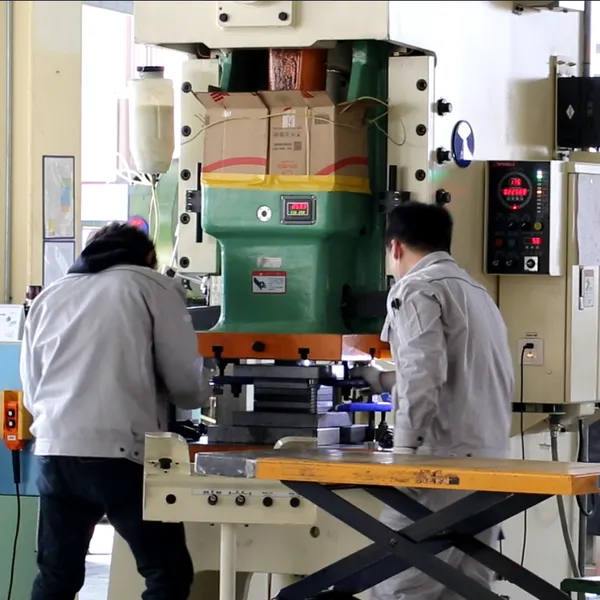 Read More
 -
How to improve the precision and efficiency of CNC machining?
August 5, 2024In modern manufacturing, CNC technology has become the core force in the production of complex parts and components with its high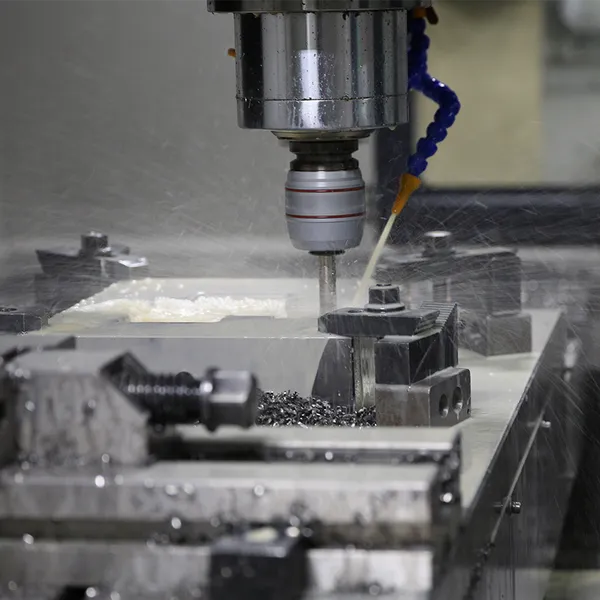 Read More

Contact Us
Recommended Products
-
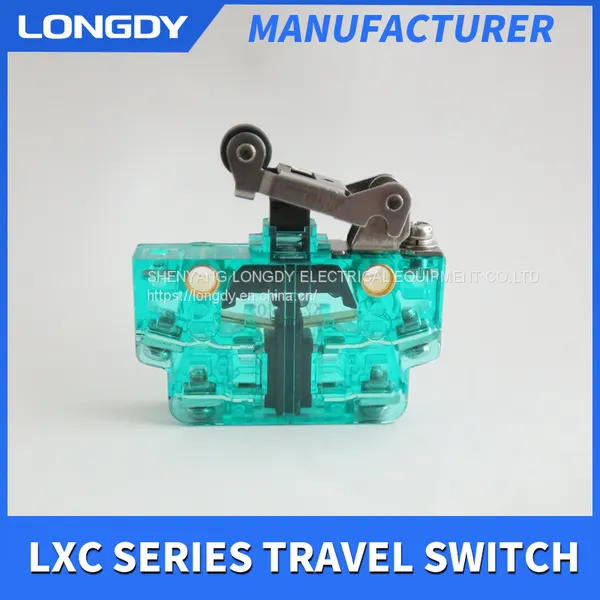
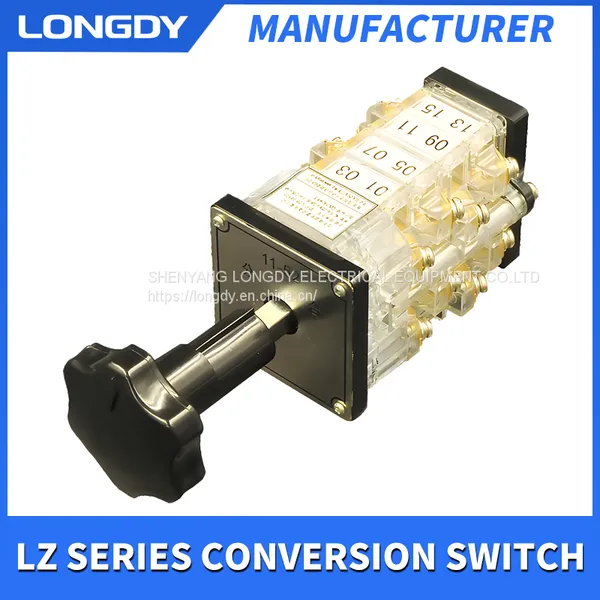
 Microswitch LXC Model Pertain Grounding Switches Knife Gate Switches Transfer Switches Contactors Metro DoorUS$ 11.6 - 15MOQ: 10 Pieces
 -
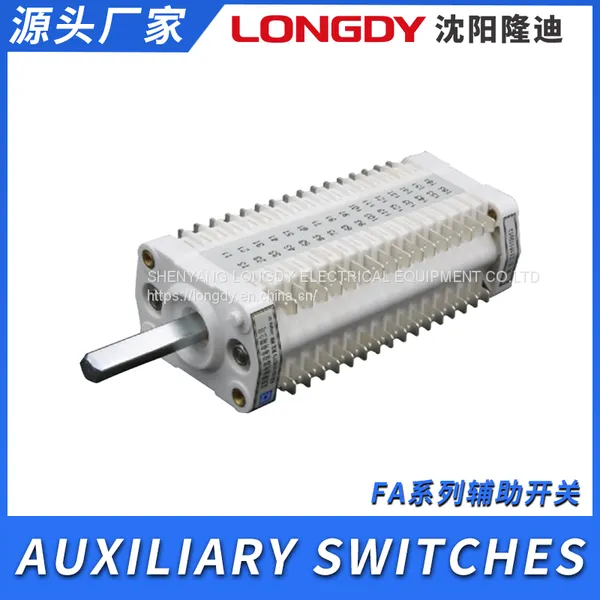
High Voltage Auxiliary Switches, Type FA, Sliding Contact Construction, for Motor-drive Mechanism, Three-position Mechanism, Quick-earthing SwitchesUS$ 14.3 - 16MOQ: 5 Pieces
-
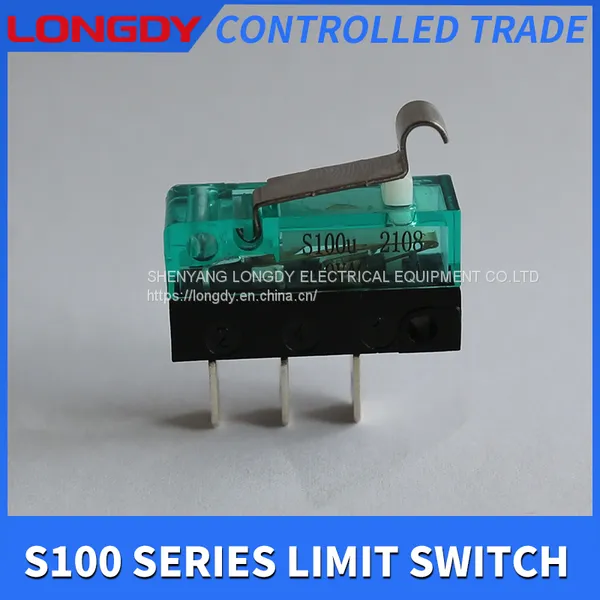
Microswitch S100u Type Suitable for Contactors Vacuum Circuit Breakers Knife Gate SwitchesUS$ 6.2 - 8MOQ: 20 Pieces
-
Microswitch Type LXF Suitable for ContactorsUS$ 17.14 - 21.43MOQ: 5 Pieces
-
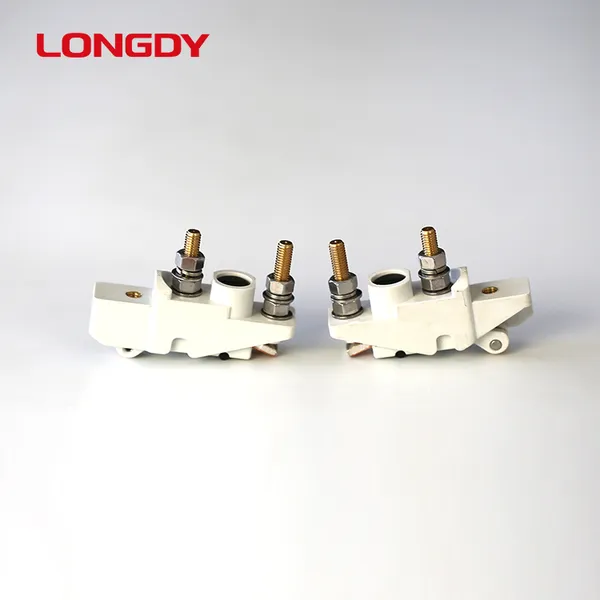
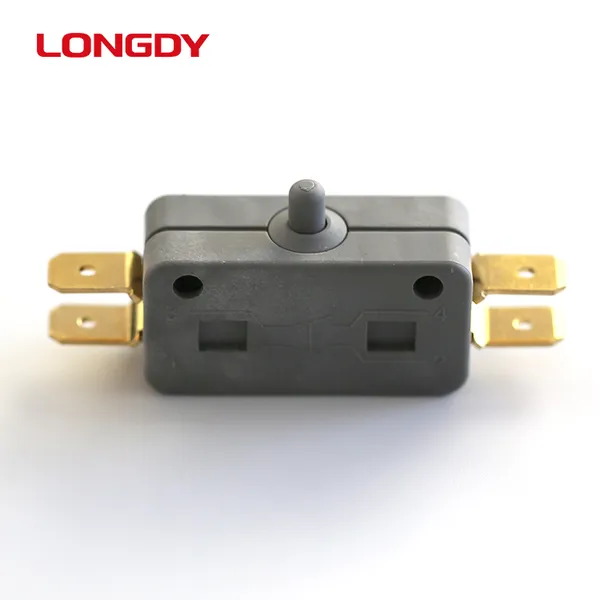
Microswitches Type LXE for ContactorsUS$ 3.57 - 4.29MOQ: 20 Pieces
-
High Voltage Auxiliary Switch FC Model Travel Switch Rack and Pinion Suitable for Hydraulic MechanismsUS$ 215.9 - 249MOQ: 5 Pieces
-
High Voltage Auxiliary Switch FK Model Pertain For Electric Mechanism Hydraulic Mechanism Disc Spring Mechanism Quick-grounding MechanismUS$ 56.2 - 60MOQ: 5 Pieces
-
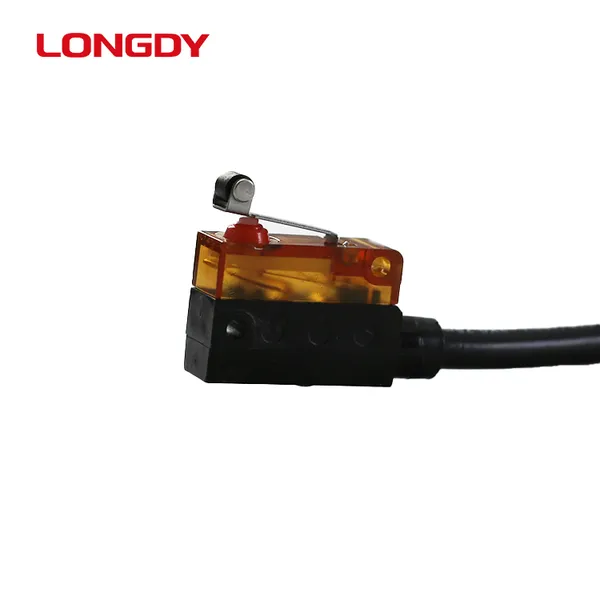
Waterproof Microswitch Specialized in Machinery Industry Switches Factory Direct SaleUS$ 18.57 - 22.86MOQ: 20 Pieces
-
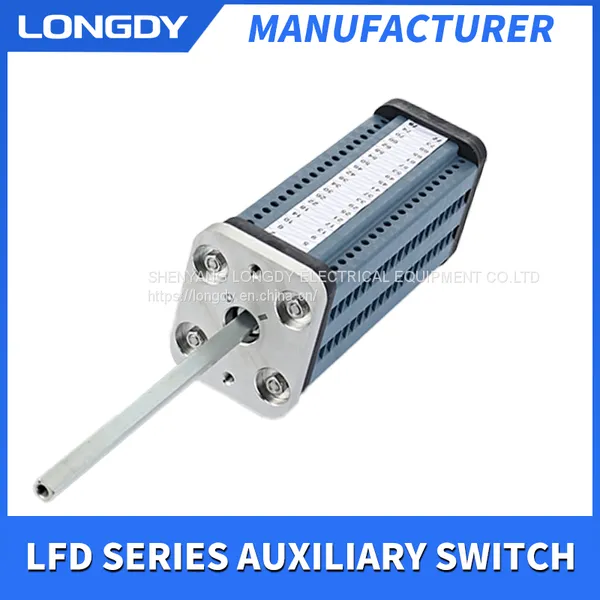
Manufacturer of LFD High-voltage Auxiliary Switch Circuit Breaker SwitchUS$ 37.9 - 40MOQ: 10 Pieces
-
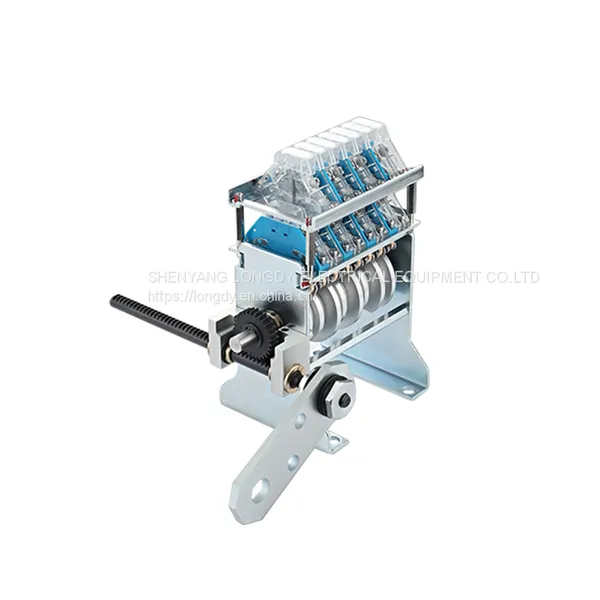
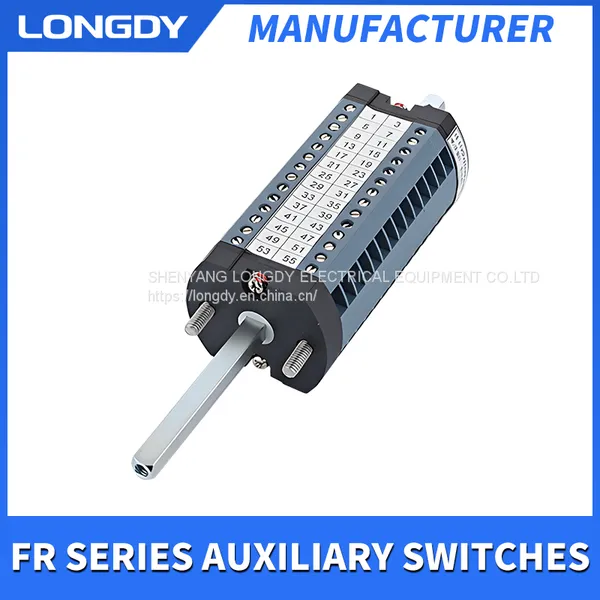
Auxiliary Switch Circuit Breaker Rail Transportation High Voltage Switch Pure Silver Contact PA66 ShellUS$ 37.5 - 55MOQ: 10 Pieces
-
Auxiliary Switch High Voltage Switch Silver Contact Mounting Accessories PC MaterialUS$ 27.7 - 35MOQ: 5 Pieces
-
Medical Housing Plastic Housing Plastic Parts Processing Injection Molding Parts ManufacturersUS$ 20 - 80MOQ: 5000 Pieces
-
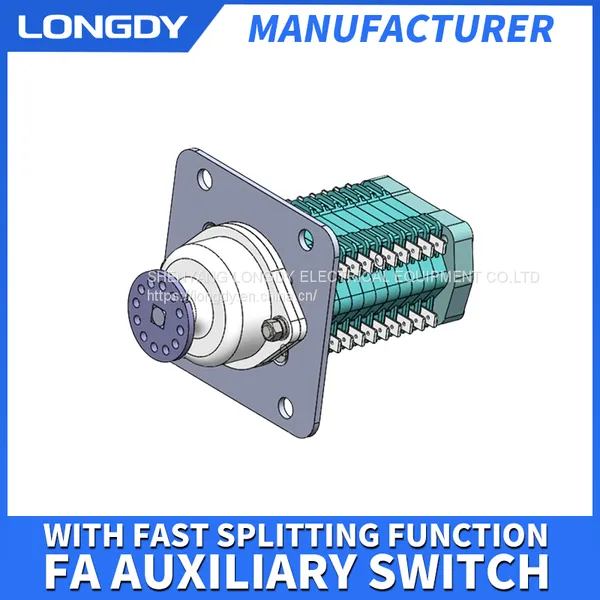
FA (F10) Fast Tap Auxiliary Switch High Voltage Switch Circuit Breaker Slow Speed Mechanism Auxiliary SwitchUS$ 20 - 25MOQ: 10 Pieces
-
The Silver Contact of the Transfer Switch Has High Contact Pressure and Strong Seismic Performance, Suitable for Industries Such as Power Industry AutomationUS$ 20.5 - 25MOQ: 5 Pieces
-
Precision Stamping Parts Processing Plant Stainless Steel Copper Aluminium Non-standard PartsUS$ 0.1 - 0.5MOQ: 1000 Pieces
-
Precision Stamping Parts Processing Source Factory Excellent Material for Non-Standard Metal PartsUS$ 0.1 - 3MOQ: 5000 Pieces
-
CNC Stamping Parts ISO 9001 Certified Machining Services High Quality Stainless Steel PartsUS$ 0.2 - 1MOQ: 2000 Pieces
-
Stamping Parts Processing Plant Stainless Steel Special-shaped Parts Custom High PrecisionUS$ 0.2 - 5MOQ: 10000 Pieces
-
Medical Equipments Shell Injection Plastic Molding ABS PC PP PVC PE Professional CustomizedUS$ 11 - 14MOQ: 100 Pieces
-
Stamping Parts Chinese Supplier Custom High Precision Non-Standard Stainless Steel Metal PartsUS$ 0.02 - 0.1MOQ: 1000 Pieces