 Business License

The Art of Selecting Micros witches: Harmonizing Scenery and Performance Parameters
In the grand scheme of industrial and electronic design, micro switches play an indispensable role with their tiny bodies. Like elves in a precision machine, they can trigger a chain reaction at the touch of a button, initiating or terminating the flow of current. However, choosing the right microswitch is like selecting the right instrument for a symphony, requiring a deep understanding of the application scenario and a precise grasp of the performance parameters. Here are a few key steps to help you become a master in this art.
First, understand the basic components of a microswitch. It usually consists of an operating lever, contacts, springs and a housing, and variations in each part affect its overall performance. Just like understanding the tone and range of each instrument, you need to know the characteristics and function of each part.
Next, examine your application scenario. Is it for the control of a household appliance, or a sensitive device inside a car? Will it be working in a hot environment, or on equipment that requires frequent operation? Each environment has its own unique challenges and requirements. Just as a concert requires different styles and rhythms of music, different application scenarios require micro switches with different properties.
Now, let's dive into specific performance parameters. Electrical load is the primary consideration, which determines the maximum current and voltage that the microswitch can withstand. This is like the volume of a musical instrument; too much current is like an overly loud note that could damage the switch or even cause a malfunction.
Longevity and durability are also key indicators. A quality microswitch should be able to withstand thousands of operations without failing. Imagine how frustrating it would be if your instrument needed to be tuned after every performance.
Response time and tactile feel should not be overlooked either. The response time of a microswitch can be compared to the reaction speed of a musical instrument, which determines how quickly the signal is transmitted. Tactility, on the other hand, is about operational comfort. A good microswitch should give clear feedback, just as important as the feel of the keys to the fingers.
Finally, consider environmental and safety factors. If your design will be used in harsh environments, such as high temperatures, high humidity, or places with corrosive gases, you need to choose microswitches that have special protective features. It's like being at an outdoor concert where your instrument needs to be waterproof and dustproof.
When choosing a microswitch, you're not just selecting a simple component, you're composing a harmonious piece of music for your application scenario. Every detail is critical, and every choice affects the final harmony and effectiveness. When you have mastered this art, you will be able to find the perfect match in the world of microswitches to optimize your design both functionally and aesthetically.
Choosing micro switches, therefore, is like conducting a great symphony, requiring you to have a deep understanding and precise control over every detail. Only in this way can you ensure that your design will flow and be contagious like a perfect melody in practical application.
Recently Posted
-
Discover the wonderful world of microswitches
November 24, 2025In the vast ocean of modern technology, there are countless fascinating tiny wonders. Although they are inconspicuous, they play a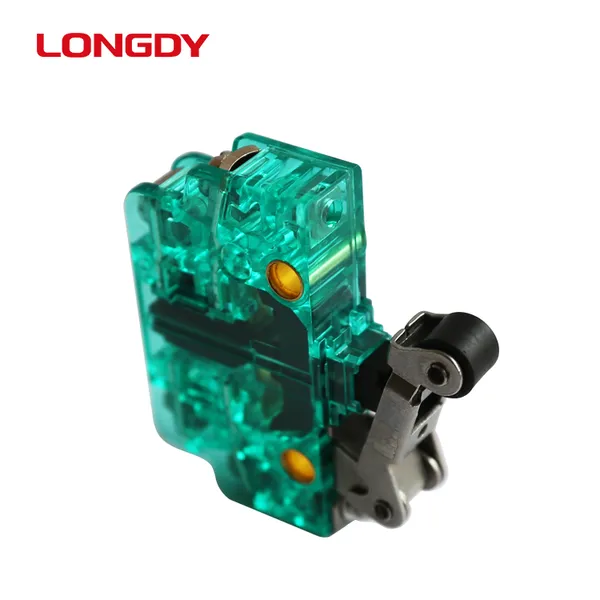 Read More
 -
Why use high voltage auxiliary switches for triplex mechanisms in power equipment? In-depth analysis
November 24, 2025In the complex operation system of power equipment, the three-position mechanism plays a crucial role. Among them, the application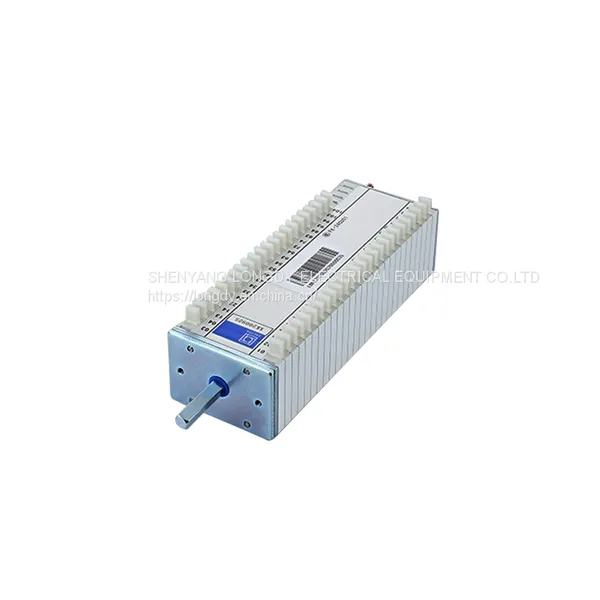 Read More
 -
Several golden rules for selecting materials in stamping processing
August 5, 2024In stamping processing, the selection of materials is crucial, because it not only affects the quality and precision of the parts,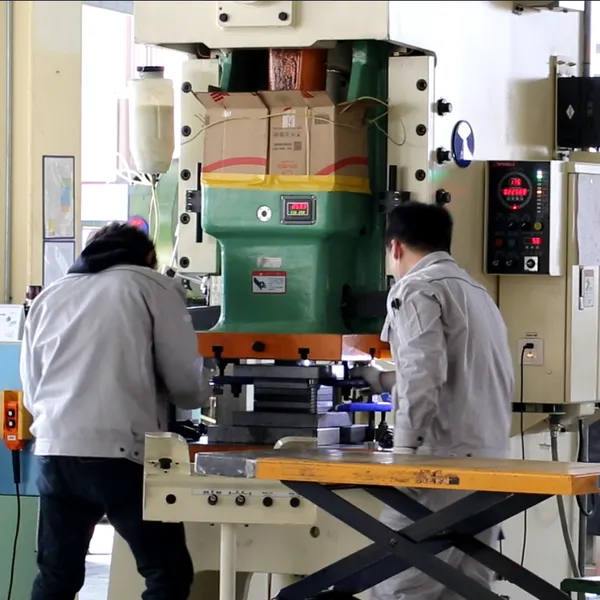 Read More
 -
How to improve the precision and efficiency of CNC machining?
August 5, 2024In modern manufacturing, CNC technology has become the core force in the production of complex parts and components with its high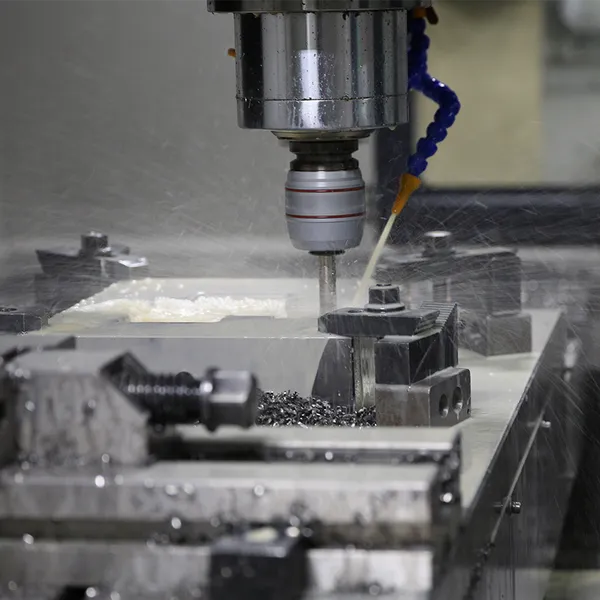 Read More

Contact Us
Recommended Products
-
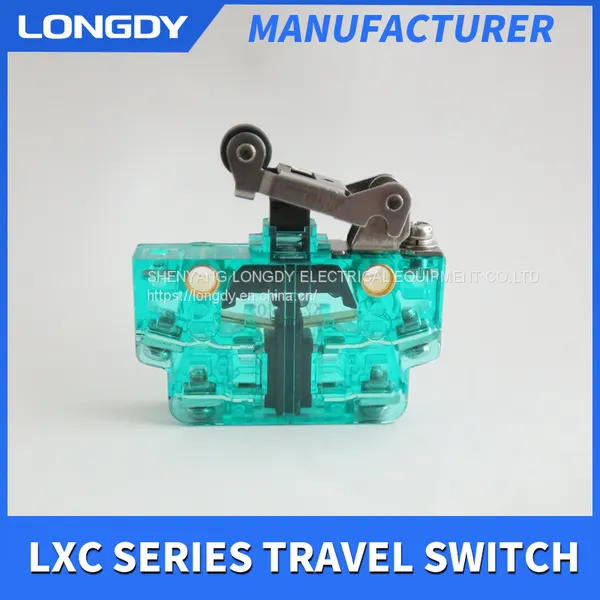
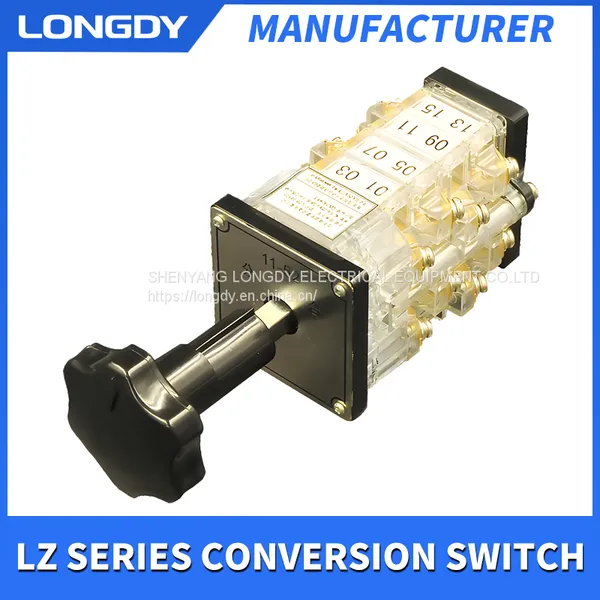
 Microswitch LXC Model Pertain Grounding Switches Knife Gate Switches Transfer Switches Contactors Metro DoorUS$ 11.6 - 15MOQ: 10 Pieces
 -
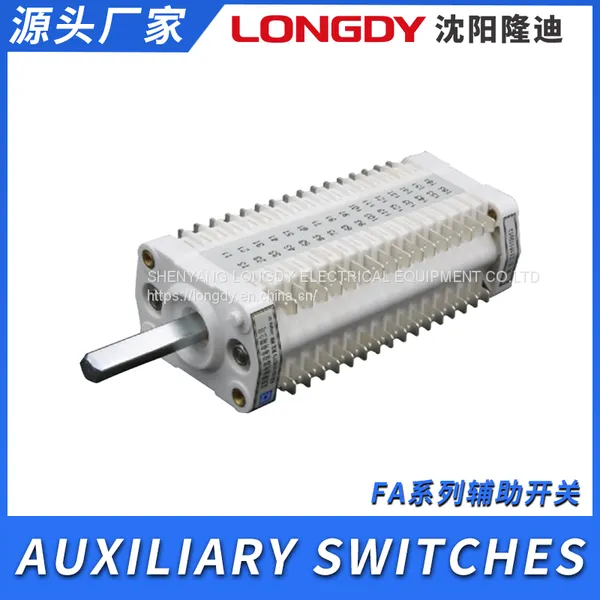
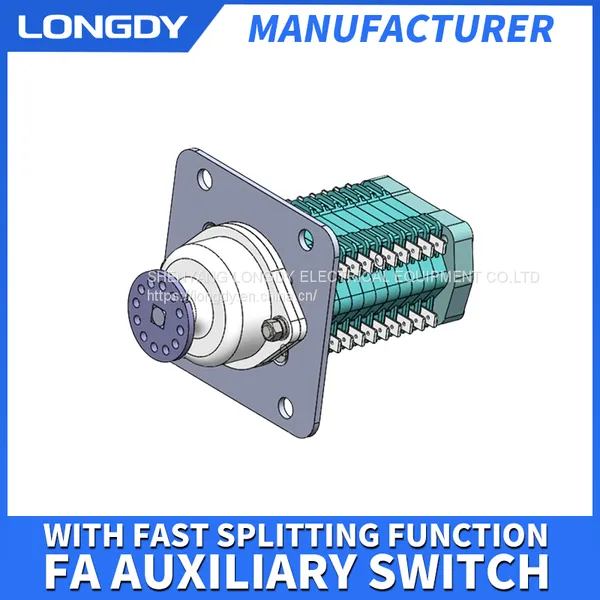
High Voltage Auxiliary Switches, Type FA, Sliding Contact Construction, for Motor-drive Mechanism, Three-position Mechanism, Quick-earthing SwitchesUS$ 14.3 - 16MOQ: 5 Pieces
-
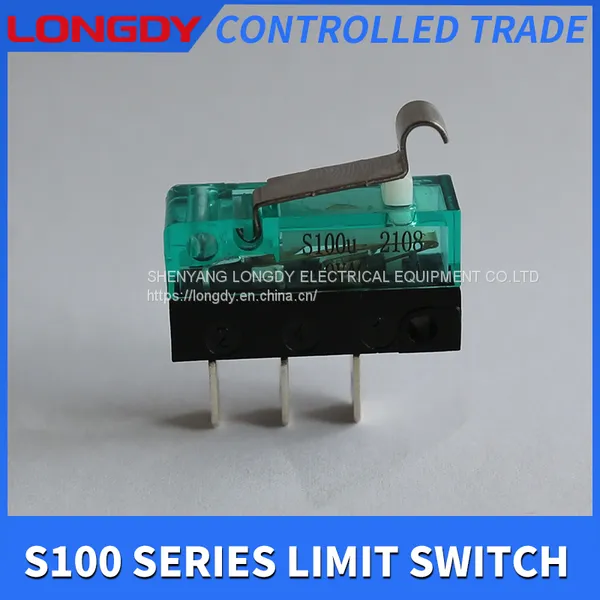
Microswitch S100u Type Suitable for Contactors Vacuum Circuit Breakers Knife Gate SwitchesUS$ 6.2 - 8MOQ: 20 Pieces
-
Microswitch Type LXF Suitable for ContactorsUS$ 17.14 - 21.43MOQ: 5 Pieces
-
Microswitches Type LXE for ContactorsUS$ 3.57 - 4.29MOQ: 20 Pieces
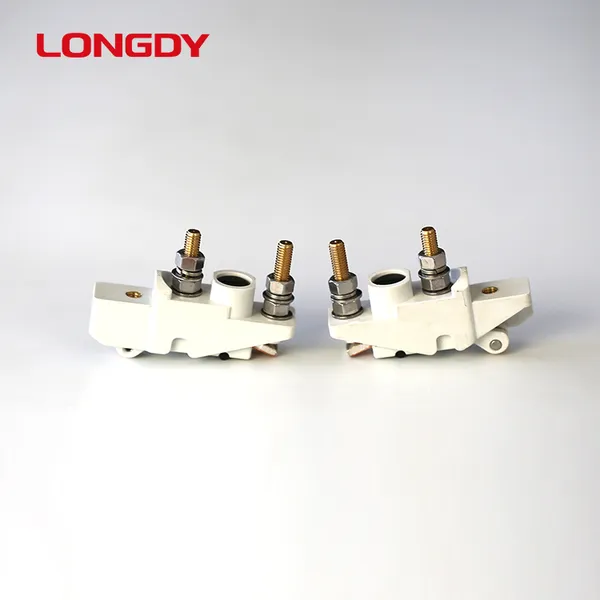
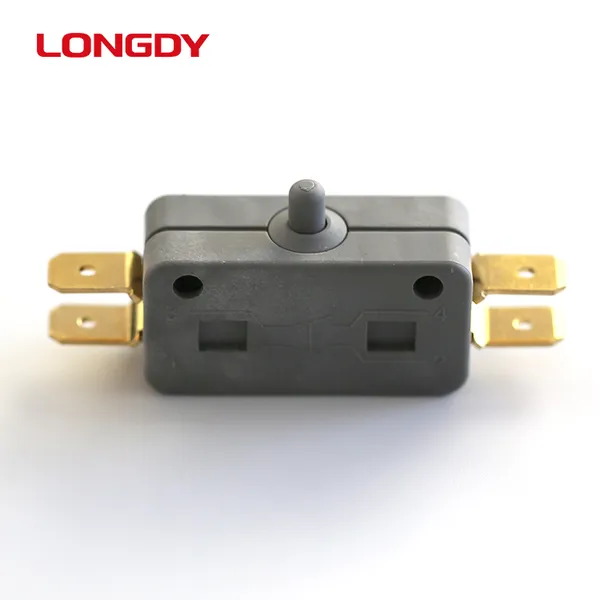
-
High Voltage Auxiliary Switch FC Model Travel Switch Rack and Pinion Suitable for Hydraulic MechanismsUS$ 215.9 - 249MOQ: 5 Pieces
-
High Voltage Auxiliary Switch FK Model Pertain For Electric Mechanism Hydraulic Mechanism Disc Spring Mechanism Quick-grounding MechanismUS$ 56.2 - 60MOQ: 5 Pieces
-
Waterproof Microswitch Specialized in Machinery Industry Switches Factory Direct SaleUS$ 18.57 - 22.86MOQ: 20 Pieces
-
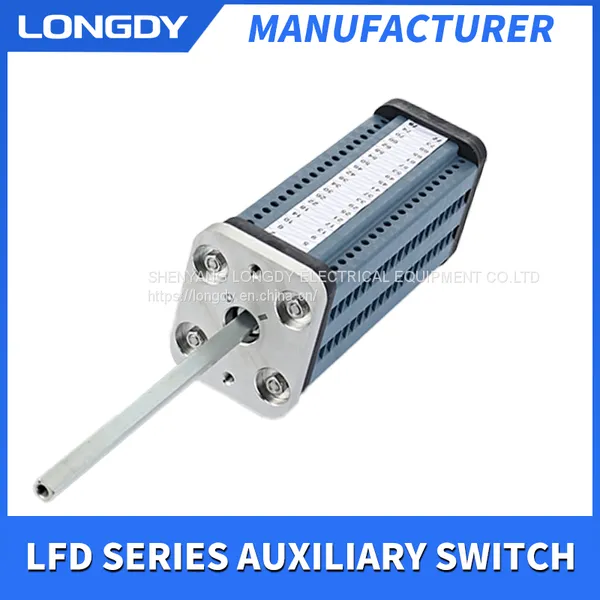
Manufacturer of LFD High-voltage Auxiliary Switch Circuit Breaker SwitchUS$ 37.9 - 40MOQ: 10 Pieces
-
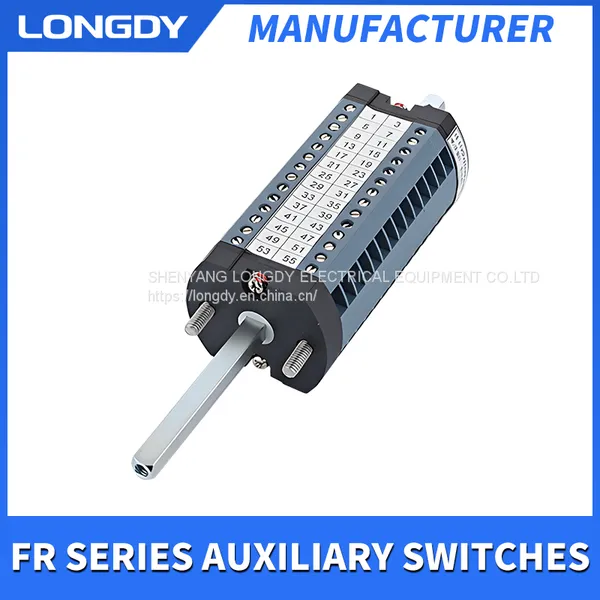
Auxiliary Switch Circuit Breaker Rail Transportation High Voltage Switch Pure Silver Contact PA66 ShellUS$ 37.5 - 55MOQ: 10 Pieces
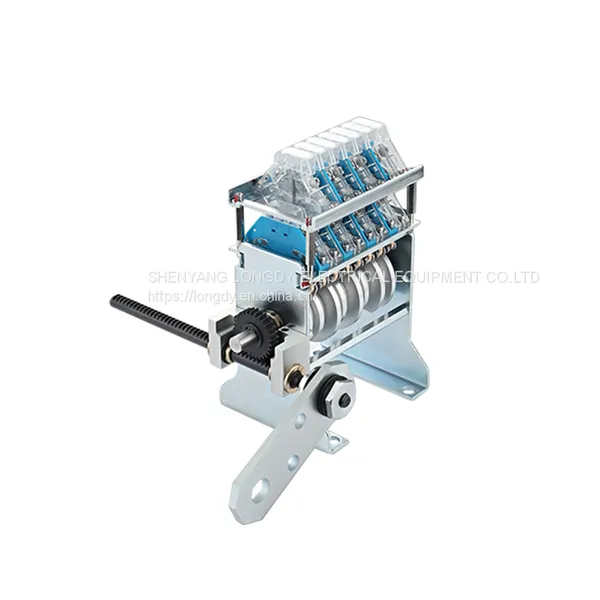
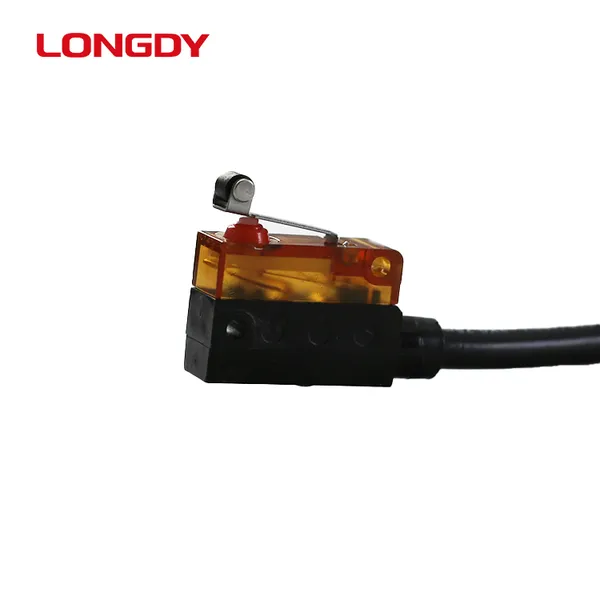
-
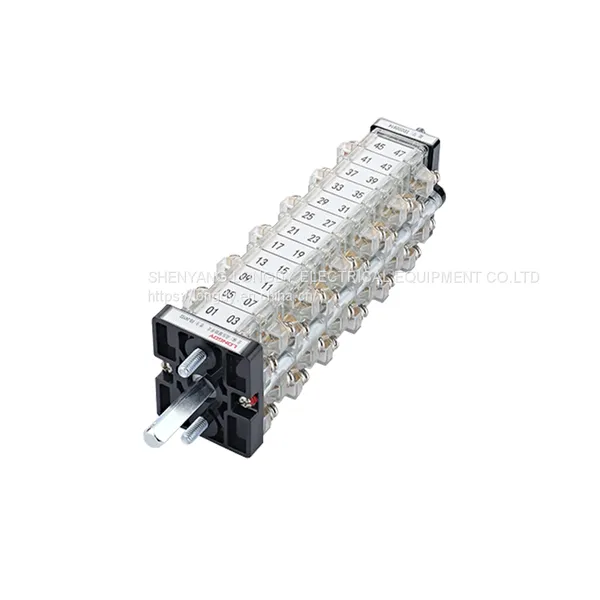
Auxiliary Switch High Voltage Switch Silver Contact Mounting Accessories PC MaterialUS$ 27.7 - 35MOQ: 5 Pieces
-
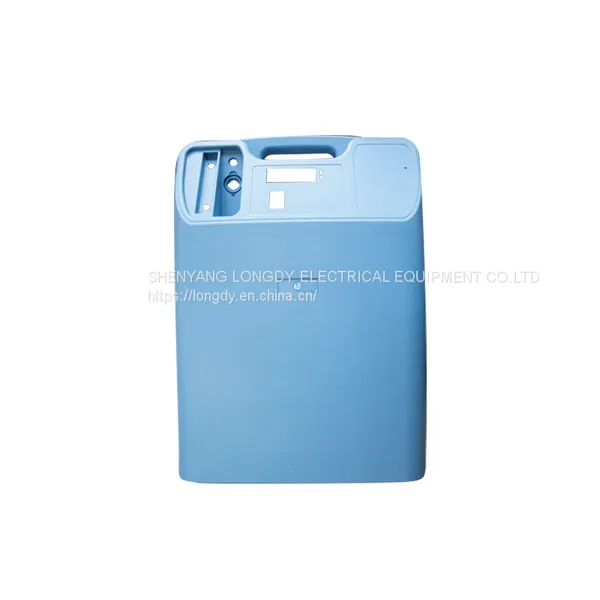
Medical Housing Plastic Housing Plastic Parts Processing Injection Molding Parts ManufacturersUS$ 20 - 80MOQ: 5000 Pieces
-
FA (F10) Fast Tap Auxiliary Switch High Voltage Switch Circuit Breaker Slow Speed Mechanism Auxiliary SwitchUS$ 20 - 25MOQ: 10 Pieces
-
The Silver Contact of the Transfer Switch Has High Contact Pressure and Strong Seismic Performance, Suitable for Industries Such as Power Industry AutomationUS$ 20.5 - 25MOQ: 5 Pieces
-
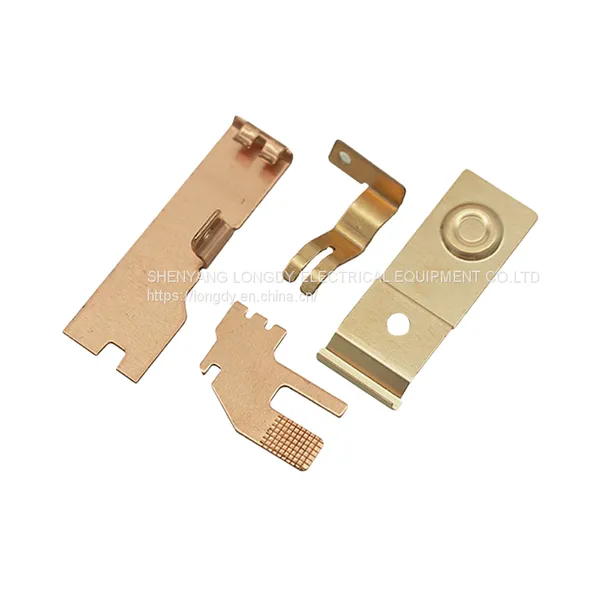
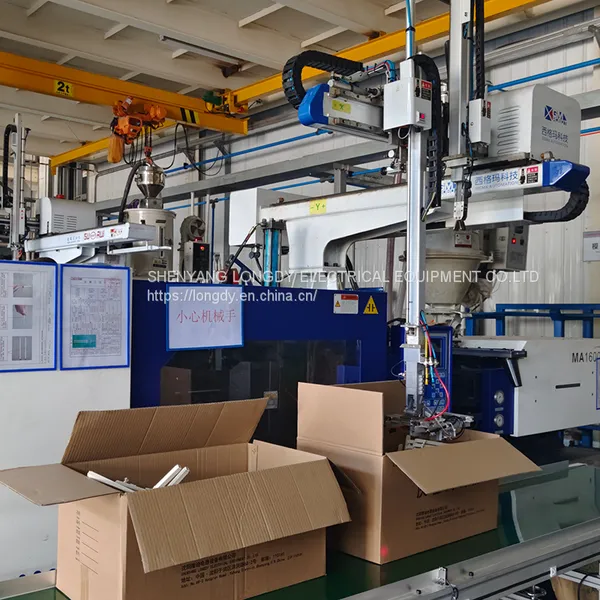
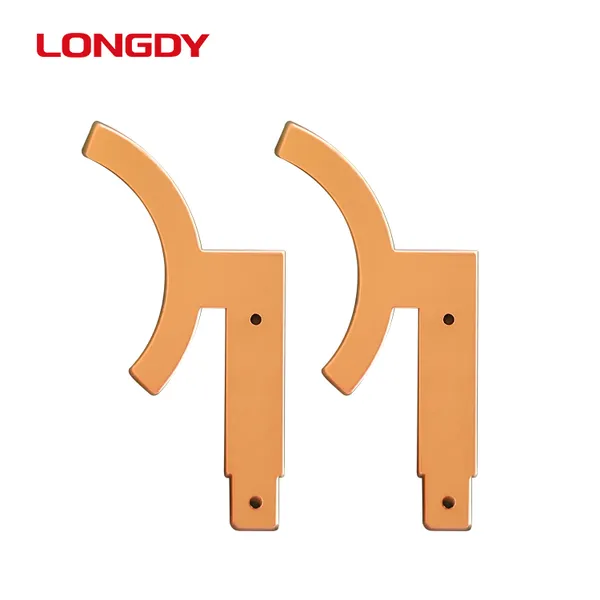
Precision Stamping Parts Processing Plant Stainless Steel Copper Aluminium Non-standard PartsUS$ 0.1 - 0.5MOQ: 1000 Pieces
-
Precision Stamping Parts Processing Source Factory Excellent Material for Non-Standard Metal PartsUS$ 0.1 - 3MOQ: 5000 Pieces
-
CNC Stamping Parts ISO 9001 Certified Machining Services High Quality Stainless Steel PartsUS$ 0.2 - 1MOQ: 2000 Pieces
-
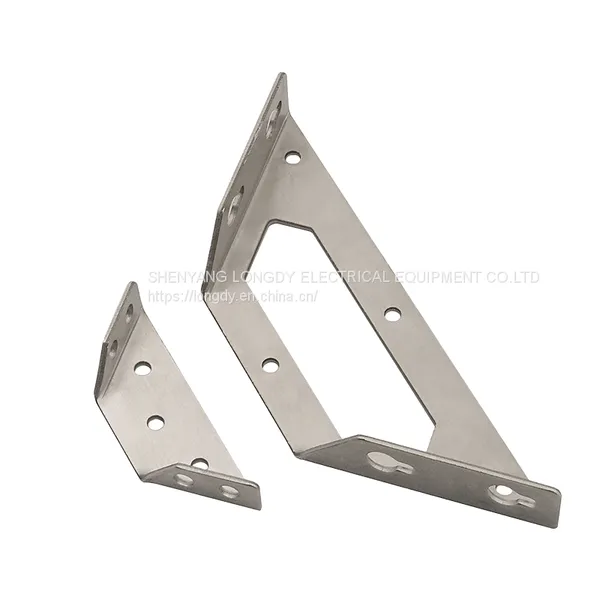
Stamping Parts Processing Plant Stainless Steel Special-shaped Parts Custom High PrecisionUS$ 0.2 - 5MOQ: 10000 Pieces
-
Medical Equipments Shell Injection Plastic Molding ABS PC PP PVC PE Professional CustomizedUS$ 11 - 14MOQ: 100 Pieces
-
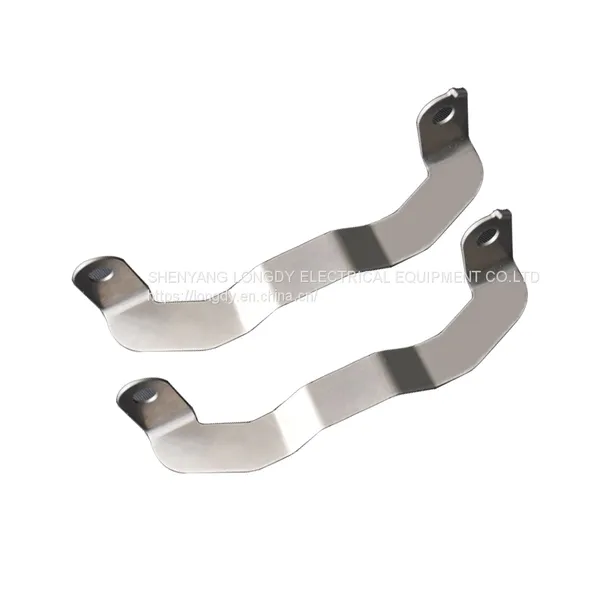
Stamping Parts Chinese Supplier Custom High Precision Non-Standard Stainless Steel Metal PartsUS$ 0.02 - 0.1MOQ: 1000 Pieces