 Business License

What are the types of EDM machining?
EDM, also known as Electrical Discharge Machining, is a method of removing conductive materials by utilizing the thermal energy generated during continuous or intermittent pulsed arc discharges. Due to its unique working principle and wide range of adaptability, EDM occupies an important position in modern manufacturing.
According to different process requirements and technical characteristics, EDM can be divided into several main types.
I. Wire-cut EDM (WEDM). In this type of machining, a continuously moving wire is used as an electrode to cut the desired shape in the workpiece by arc discharge. This method is ideal for machining hard-to-cut materials such as carbide and high-temperature alloys, as well as precision machining of complex curves and thin-walled parts.
Second, EDM perforation machining (EDP), which is mainly used for the machining of round or shaped holes with small apertures. In this machining process, the use of tubular or rod electrodes perpendicular to the surface of the workpiece for pulse discharge, gradually etching the material to form the desired hole. This machining method is highly accurate and suitable for machining micro-small holes with a relatively large depth diameter.
Third, EDM Milling (EDM Milling), compared with traditional mechanical milling, EDM milling does not rely on the physical cutting force, but by controlling the electrode's moving path in three-dimensional space, to achieve the precise processing of complex surfaces. This method is particularly suitable for the manufacture of molds, cavities and other complex geometric shapes.
IV. Electrical Discharge Machining for Forming (EDMF), which uses an electrode of a specific shape to discharge electricity, thereby replicating the same shape on the workpiece. This method is commonly used to produce molds, punches and other tools with fine details.
EDM is used in a wide range of applications, from aerospace and automotive manufacturing to precision instruments and electronic devices, covering virtually every industrial sector. One of its main advantages is the ability to machine a wide range of hardnesses, strengths and toughnesses, independent of the state of heat treatment of the material. In addition, because it is non-contact machining, there is no direct physical friction between the tool and the workpiece, thus reducing stress concentrations and workpiece deformation.
Recently Posted
-
Discover the wonderful world of microswitches
November 24, 2025In the vast ocean of modern technology, there are countless fascinating tiny wonders. Although they are inconspicuous, they play a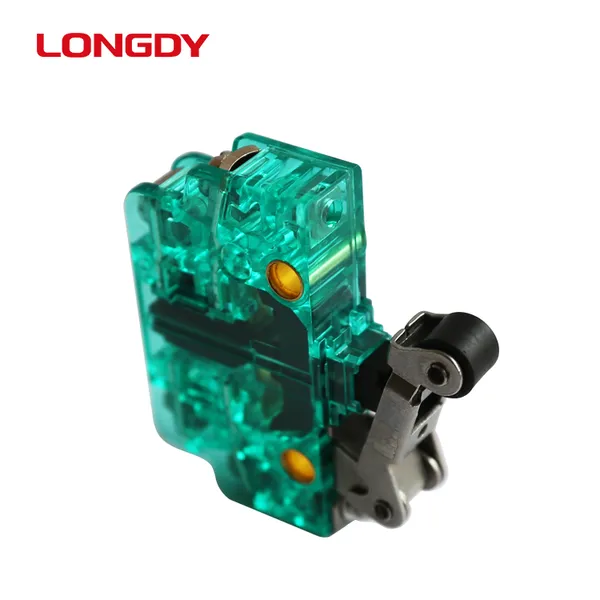 Read More
 -
Why use high voltage auxiliary switches for triplex mechanisms in power equipment? In-depth analysis
November 24, 2025In the complex operation system of power equipment, the three-position mechanism plays a crucial role. Among them, the application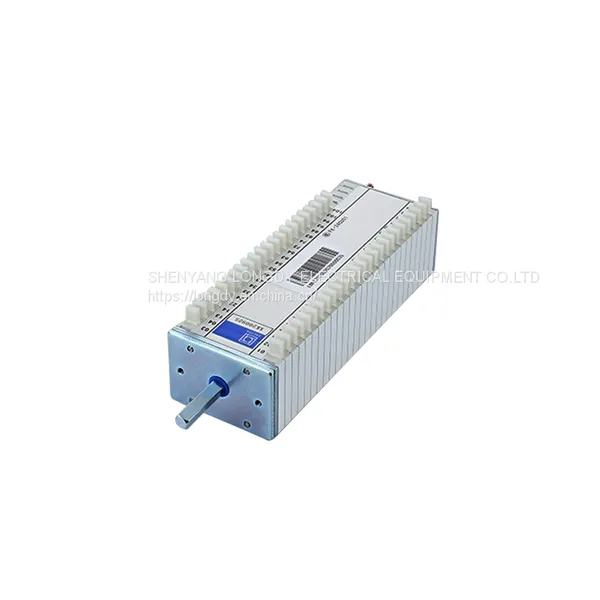 Read More
 -
Several golden rules for selecting materials in stamping processing
August 5, 2024In stamping processing, the selection of materials is crucial, because it not only affects the quality and precision of the parts,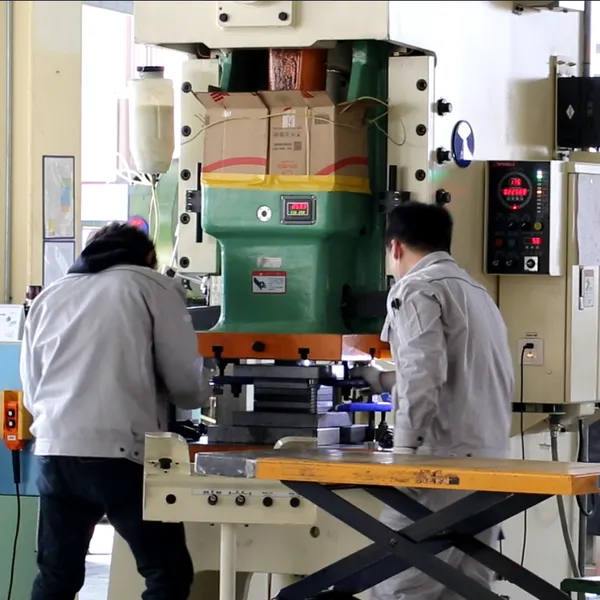 Read More
 -
How to improve the precision and efficiency of CNC machining?
August 5, 2024In modern manufacturing, CNC technology has become the core force in the production of complex parts and components with its high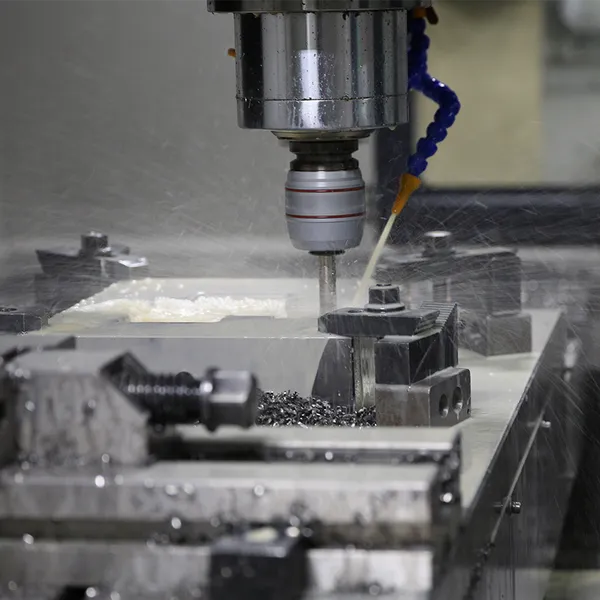 Read More

Contact Us
Recommended Products
-
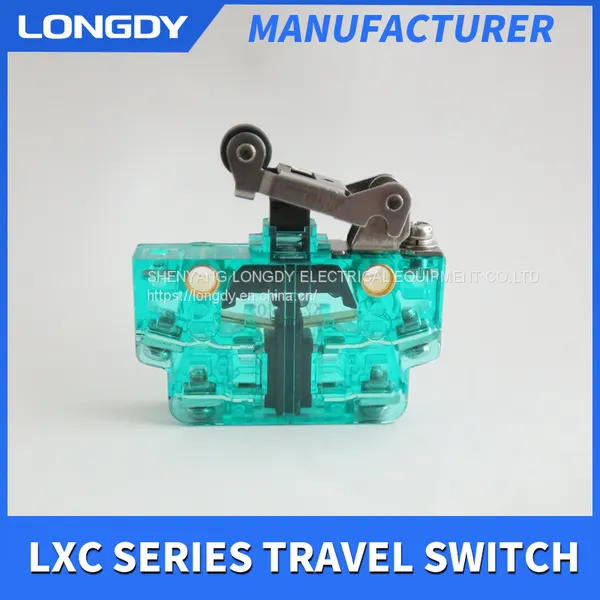
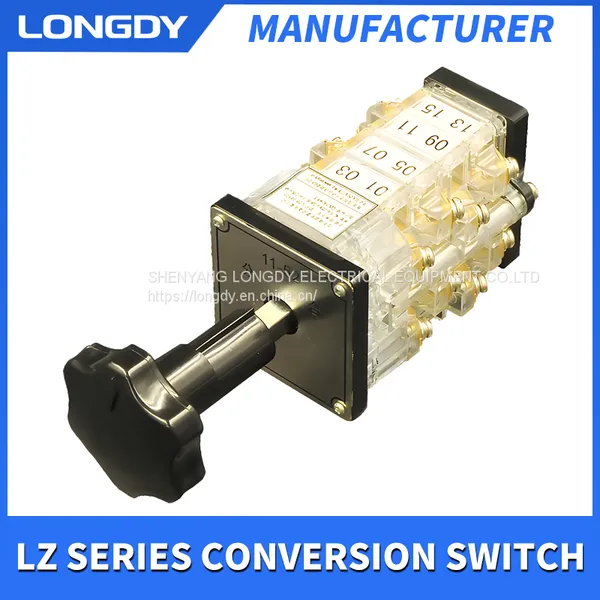
 Microswitch LXC Model Pertain Grounding Switches Knife Gate Switches Transfer Switches Contactors Metro DoorUS$ 11.6 - 15MOQ: 10 Pieces
 -
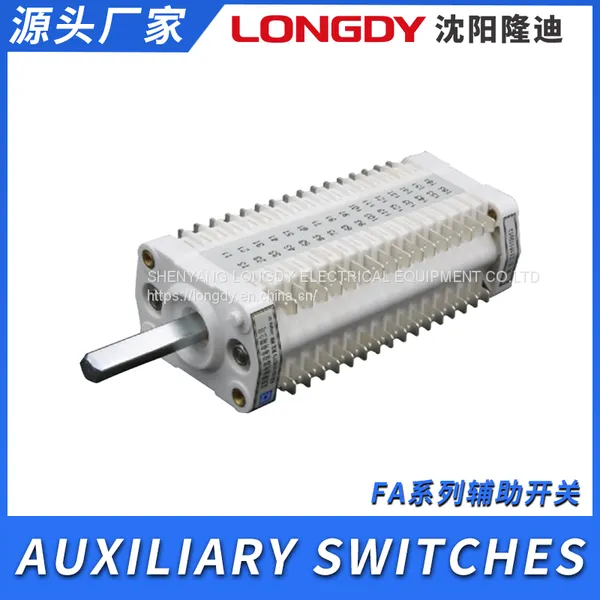
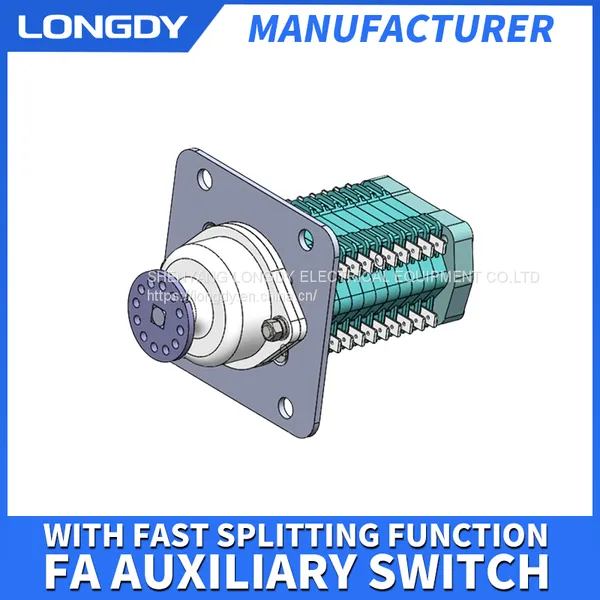
High Voltage Auxiliary Switches, Type FA, Sliding Contact Construction, for Motor-drive Mechanism, Three-position Mechanism, Quick-earthing SwitchesUS$ 14.3 - 16MOQ: 5 Pieces
-
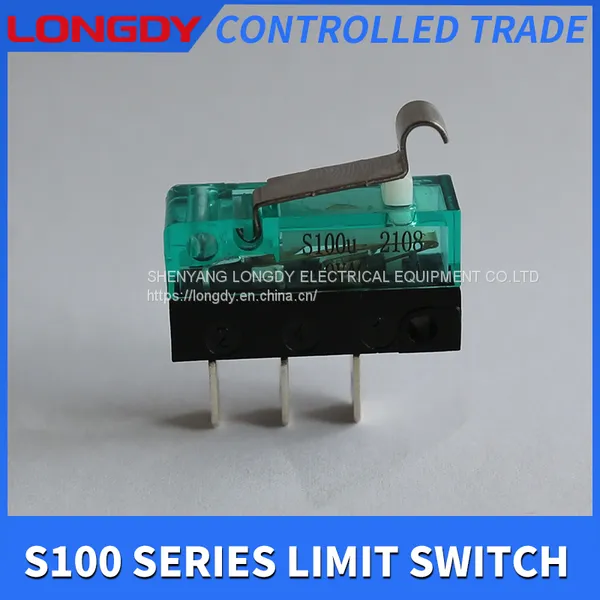
Microswitch S100u Type Suitable for Contactors Vacuum Circuit Breakers Knife Gate SwitchesUS$ 6.2 - 8MOQ: 20 Pieces
-
Microswitch Type LXF Suitable for ContactorsUS$ 17.14 - 21.43MOQ: 5 Pieces
-
Microswitches Type LXE for ContactorsUS$ 3.57 - 4.29MOQ: 20 Pieces
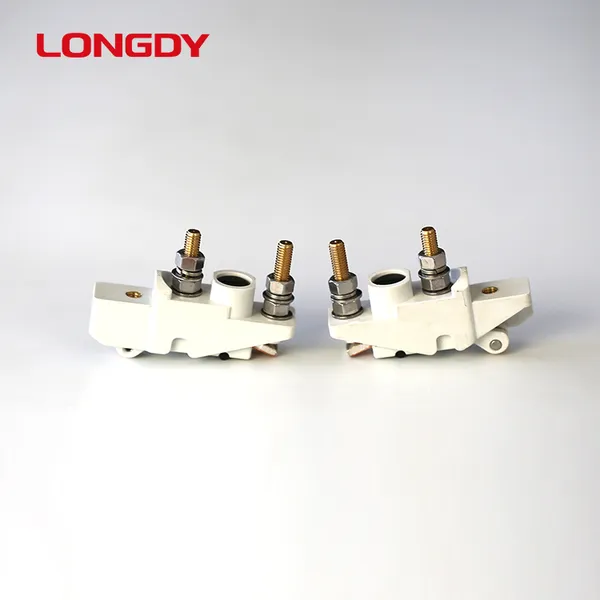
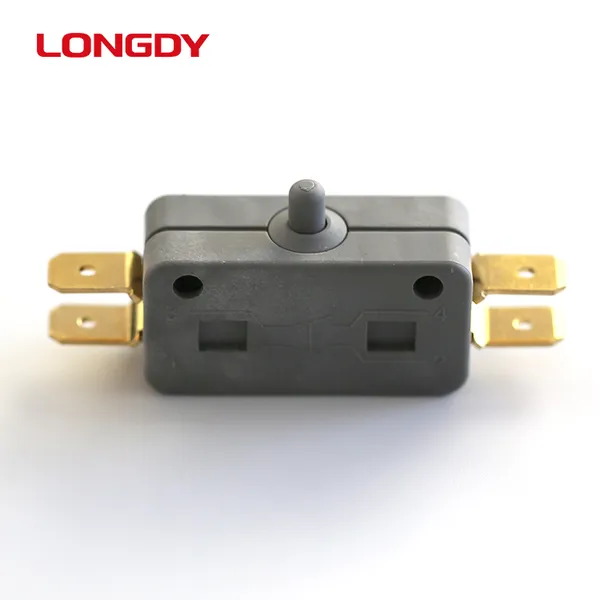
-
High Voltage Auxiliary Switch FC Model Travel Switch Rack and Pinion Suitable for Hydraulic MechanismsUS$ 215.9 - 249MOQ: 5 Pieces
-
High Voltage Auxiliary Switch FK Model Pertain For Electric Mechanism Hydraulic Mechanism Disc Spring Mechanism Quick-grounding MechanismUS$ 56.2 - 60MOQ: 5 Pieces
-
Waterproof Microswitch Specialized in Machinery Industry Switches Factory Direct SaleUS$ 18.57 - 22.86MOQ: 20 Pieces
-
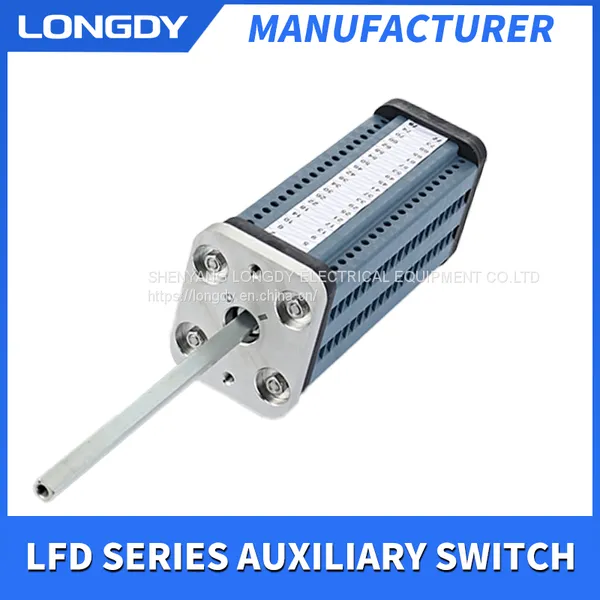
Manufacturer of LFD High-voltage Auxiliary Switch Circuit Breaker SwitchUS$ 37.9 - 40MOQ: 10 Pieces
-
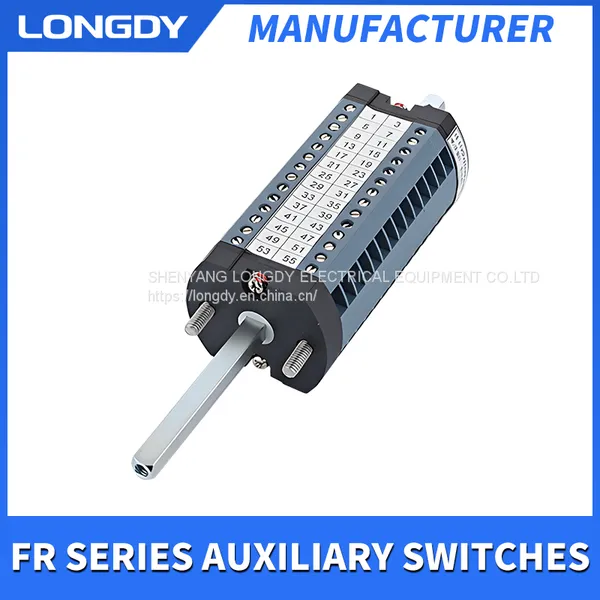
Auxiliary Switch Circuit Breaker Rail Transportation High Voltage Switch Pure Silver Contact PA66 ShellUS$ 37.5 - 55MOQ: 10 Pieces
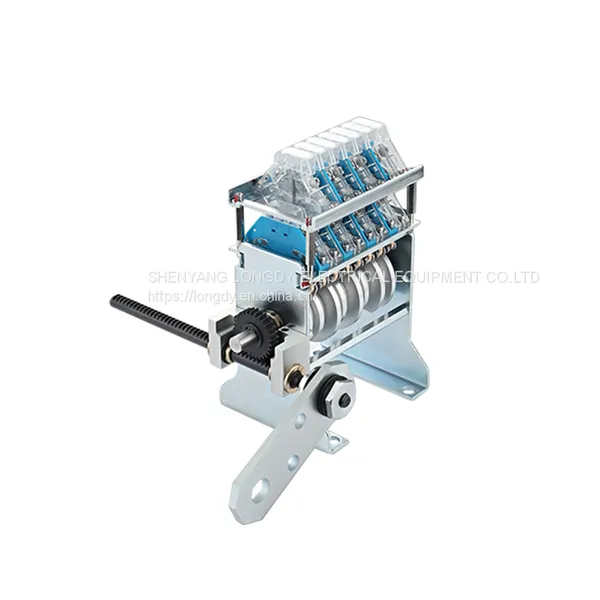
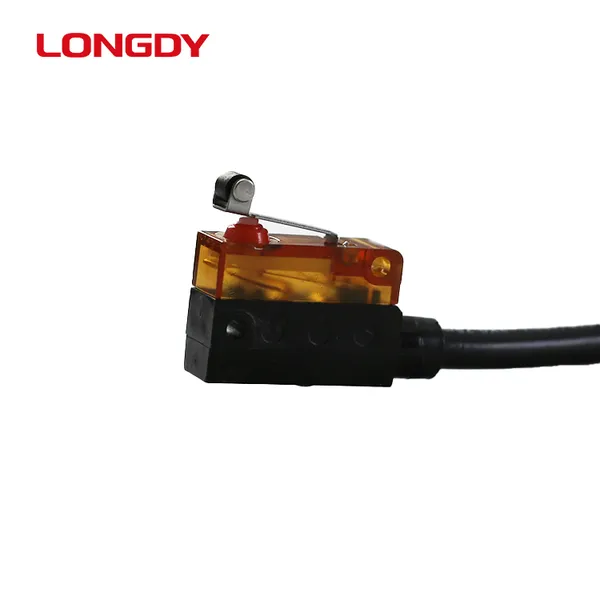
-
Auxiliary Switch High Voltage Switch Silver Contact Mounting Accessories PC MaterialUS$ 27.7 - 35MOQ: 5 Pieces
-
Medical Housing Plastic Housing Plastic Parts Processing Injection Molding Parts ManufacturersUS$ 20 - 80MOQ: 5000 Pieces
-
FA (F10) Fast Tap Auxiliary Switch High Voltage Switch Circuit Breaker Slow Speed Mechanism Auxiliary SwitchUS$ 20 - 25MOQ: 10 Pieces
-
The Silver Contact of the Transfer Switch Has High Contact Pressure and Strong Seismic Performance, Suitable for Industries Such as Power Industry AutomationUS$ 20.5 - 25MOQ: 5 Pieces
-
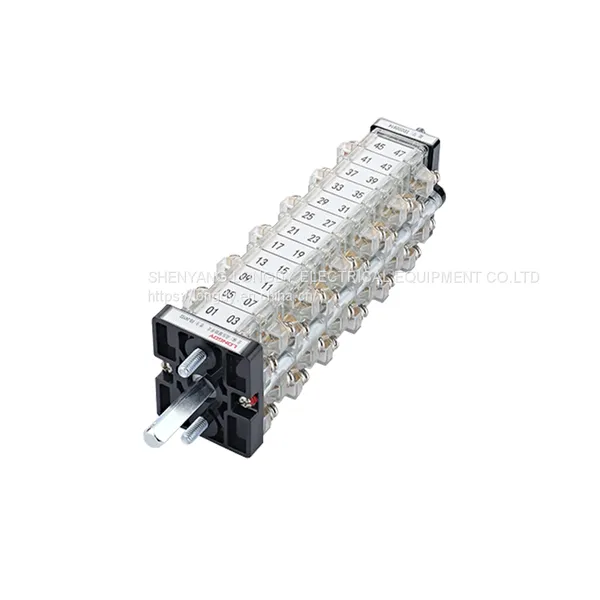
Precision Stamping Parts Processing Plant Stainless Steel Copper Aluminium Non-standard PartsUS$ 0.1 - 0.5MOQ: 1000 Pieces
-
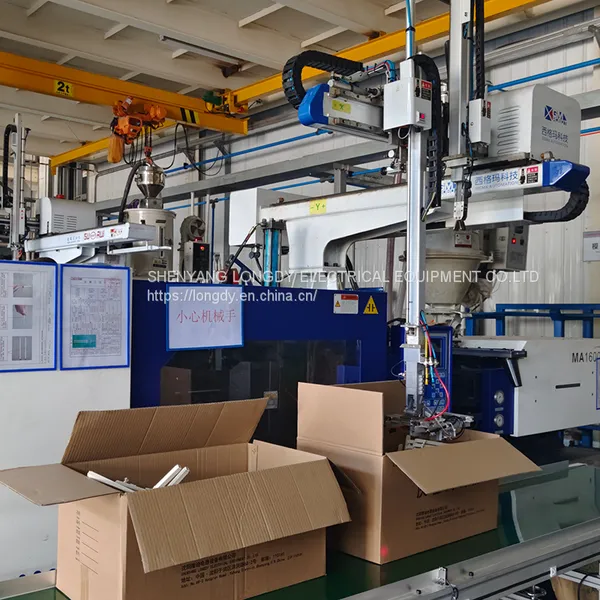
Precision Stamping Parts Processing Source Factory Excellent Material for Non-Standard Metal PartsUS$ 0.1 - 3MOQ: 5000 Pieces
-
CNC Stamping Parts ISO 9001 Certified Machining Services High Quality Stainless Steel PartsUS$ 0.2 - 1MOQ: 2000 Pieces
-
Stamping Parts Processing Plant Stainless Steel Special-shaped Parts Custom High PrecisionUS$ 0.2 - 5MOQ: 10000 Pieces
-
Medical Equipments Shell Injection Plastic Molding ABS PC PP PVC PE Professional CustomizedUS$ 11 - 14MOQ: 100 Pieces
-
Stamping Parts Chinese Supplier Custom High Precision Non-Standard Stainless Steel Metal PartsUS$ 0.02 - 0.1MOQ: 1000 Pieces