 Business License

Five key steps to master the essence of the stamping process cutting process
In the stamping process, the cutting process is a key link, which directly affects the quality and productivity of stamped parts. Master the following five steps to master the essence of the cutting process.
1. Definition and role of cutting process
Cutting process refers to the process of separating the stamped part from the whole sheet metal. Its main function is to remove the excess material around the stamped part and make it conform to the shape and size required by the design.
2. Selection of cutting method
According to the shape, size and material properties of the stamped part, a suitable profiling method can be selected. Common profiling methods are: shearing, punching, laser cutting and so on. Shearing is suitable for simple shaped stamping parts, punching is suitable for complex shaped stamping parts, and laser cutting is suitable for stamping parts with high precision requirements.
3. Design and manufacture of cutting mold
Cutting mold is an important tool in the processing of stamping parts, and its design and manufacture are directly related to the quality of cutting process. When designing the cutting mold, the following factors need to be considered:
(1) Selection of mold material: the mold material should have sufficient hardness, strength and wear resistance to ensure the service life of the mold and the quality of the stamped parts. Commonly used mold materials are high-speed steel, carbide, etc..
(2) Design of mold structure: the structure of the mold should be simple, reasonable, easy to install and maintain. At the same time, the structure of the mold should also be conducive to the release and discharge of stamped parts.
(3) Design of die edge: the shape, size and sharpness of the die edge directly affect the effect of the cutting process. When designing the edge of the mold, it is necessary to make reasonable selection and calculation according to the characteristics of the stamped parts and the requirements of the cutting method.
4. Setting of cutting parameters
Cutting parameters refer to various parameters to be controlled in the cutting process, such as punching pressure, punching speed, punching depth, etc. Reasonable cutting parameters can improve the effect of the cutting process. Reasonable cutting parameters can improve the quality of stamped parts and reduce production costs. When setting the cutting parameters, it is necessary to adjust them according to the characteristics of the stamped parts and the requirements of the production process.
5. Precautions for the operation of cutting process
In order to ensure the quality and production efficiency of the stamped parts, the operator needs to pay attention to the following points in the cutting process:
(1) Strictly follow the operation procedures to avoid quality problems of stamped parts caused by improper operation.
(2) Regularly check the use of cutting molds, find problems in time to deal with.
(3) Keep the working environment neat and clean to prevent debris from entering the stamping equipment and affecting the quality of stamped parts.
(4) Strengthen the awareness of safe production, comply with the safety operation regulations, and prevent accidents.
Recently Posted
-
Discover the wonderful world of microswitches
November 24, 2025In the vast ocean of modern technology, there are countless fascinating tiny wonders. Although they are inconspicuous, they play a Read More
 -
Why use high voltage auxiliary switches for triplex mechanisms in power equipment? In-depth analysis
November 24, 2025In the complex operation system of power equipment, the three-position mechanism plays a crucial role. Among them, the application Read More
 -
Several golden rules for selecting materials in stamping processing
August 5, 2024In stamping processing, the selection of materials is crucial, because it not only affects the quality and precision of the parts,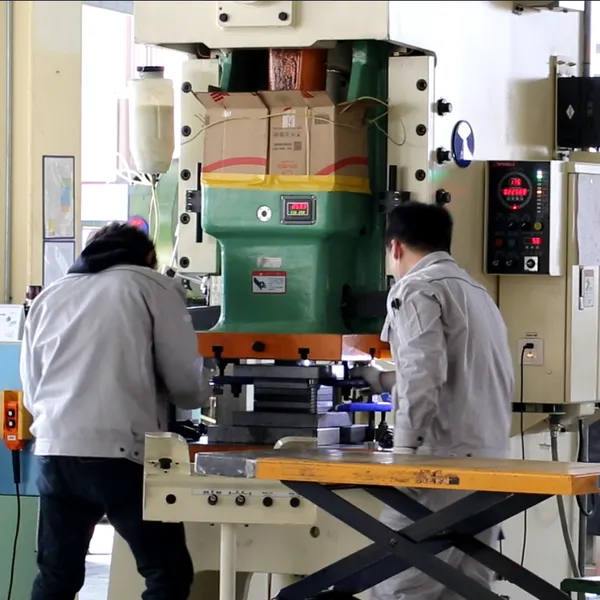 Read More
 -
How to improve the precision and efficiency of CNC machining?
August 5, 2024In modern manufacturing, CNC technology has become the core force in the production of complex parts and components with its high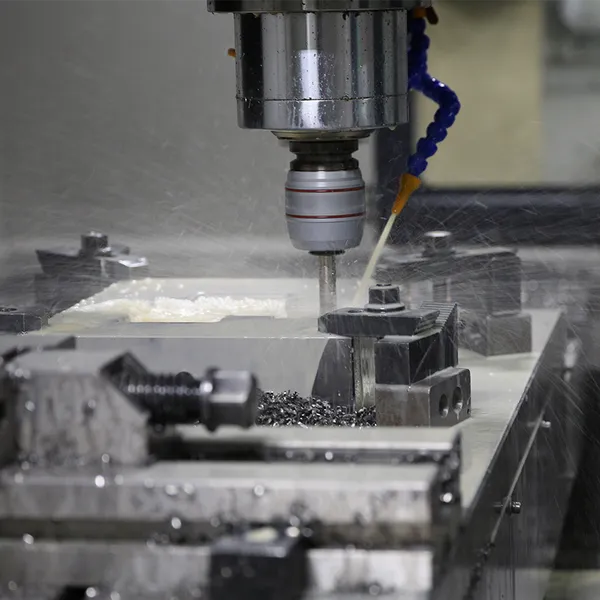 Read More

Contact Us
Recommended Products
-
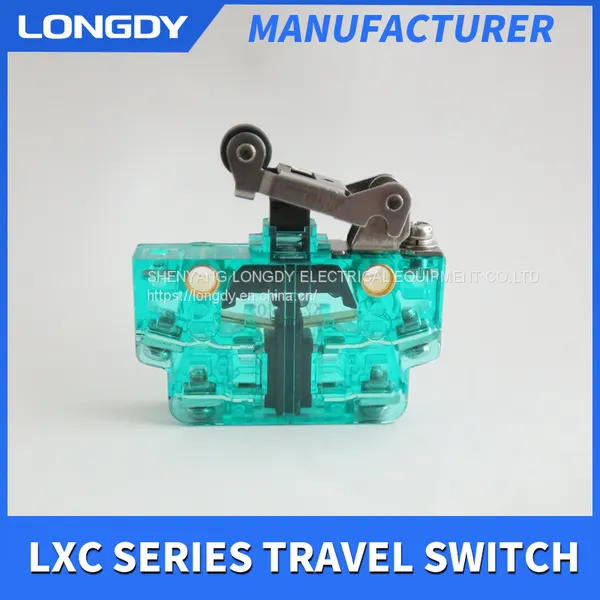
 Microswitch LXC Model Pertain Grounding Switches Knife Gate Switches Transfer Switches Contactors Metro DoorUS$ 11.6 - 15MOQ: 10 Pieces
 -
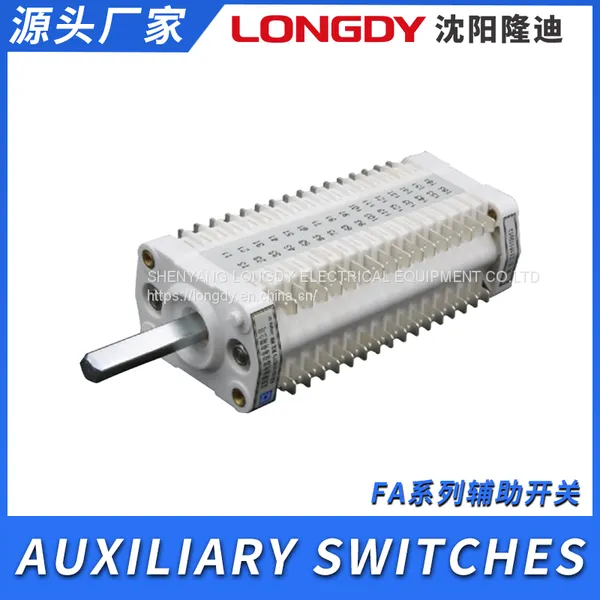
High Voltage Auxiliary Switches, Type FA, Sliding Contact Construction, for Motor-drive Mechanism, Three-position Mechanism, Quick-earthing SwitchesUS$ 14.3 - 16MOQ: 5 Pieces
-
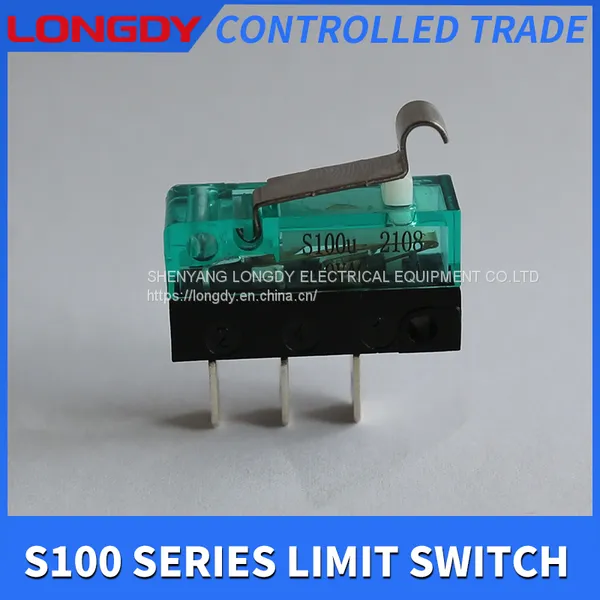
Microswitch S100u Type Suitable for Contactors Vacuum Circuit Breakers Knife Gate SwitchesUS$ 6.2 - 8MOQ: 20 Pieces
-
Microswitch Type LXF Suitable for ContactorsUS$ 17.14 - 21.43MOQ: 5 Pieces
-
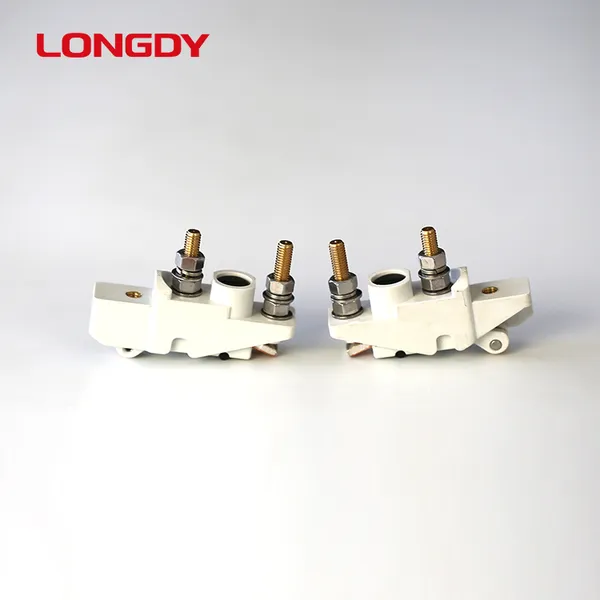
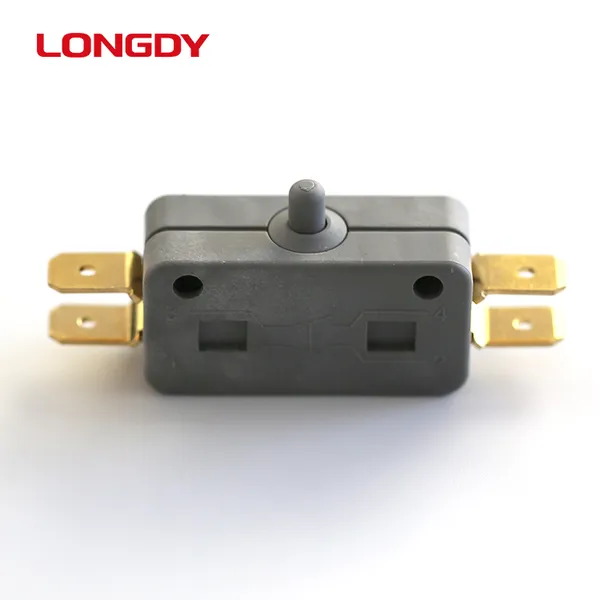
Microswitches Type LXE for ContactorsUS$ 3.57 - 4.29MOQ: 20 Pieces
-
High Voltage Auxiliary Switch FC Model Travel Switch Rack and Pinion Suitable for Hydraulic MechanismsUS$ 215.9 - 249MOQ: 5 Pieces
-
High Voltage Auxiliary Switch FK Model Pertain For Electric Mechanism Hydraulic Mechanism Disc Spring Mechanism Quick-grounding MechanismUS$ 56.2 - 60MOQ: 5 Pieces
-
Waterproof Microswitch Specialized in Machinery Industry Switches Factory Direct SaleUS$ 18.57 - 22.86MOQ: 20 Pieces
-
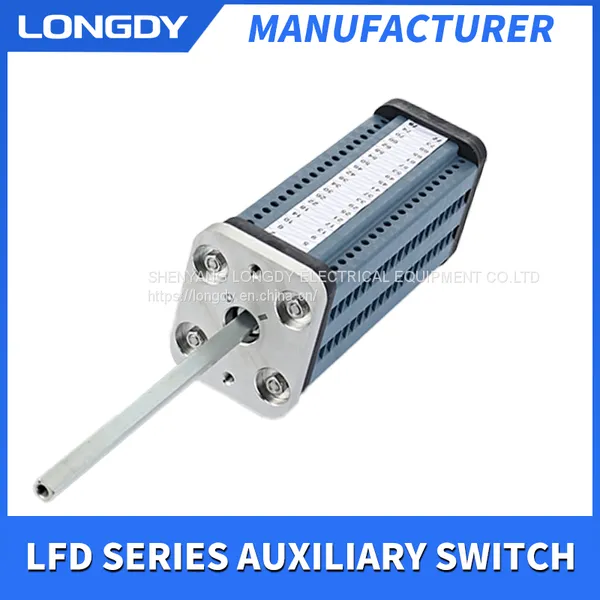
Manufacturer of LFD High-voltage Auxiliary Switch Circuit Breaker SwitchUS$ 37.9 - 40MOQ: 10 Pieces
-
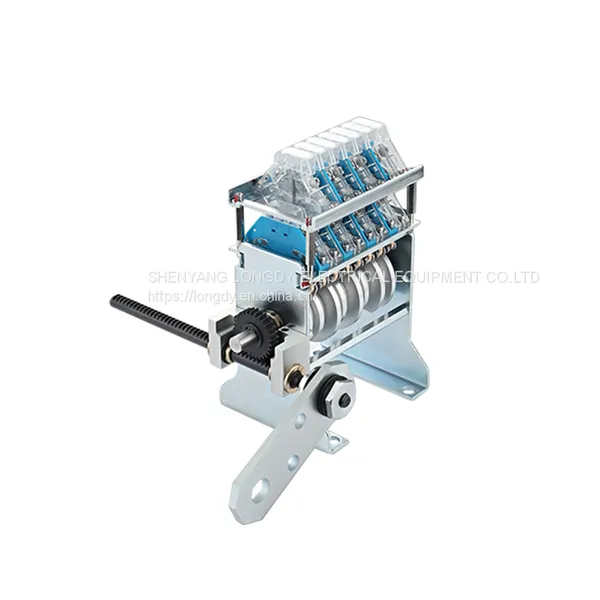
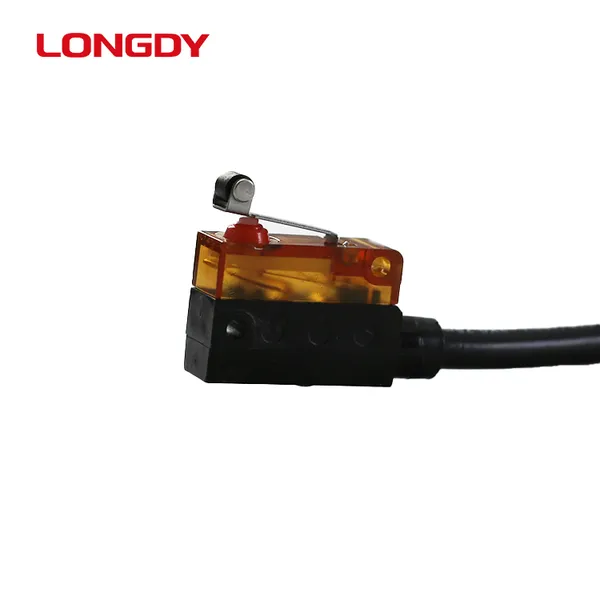
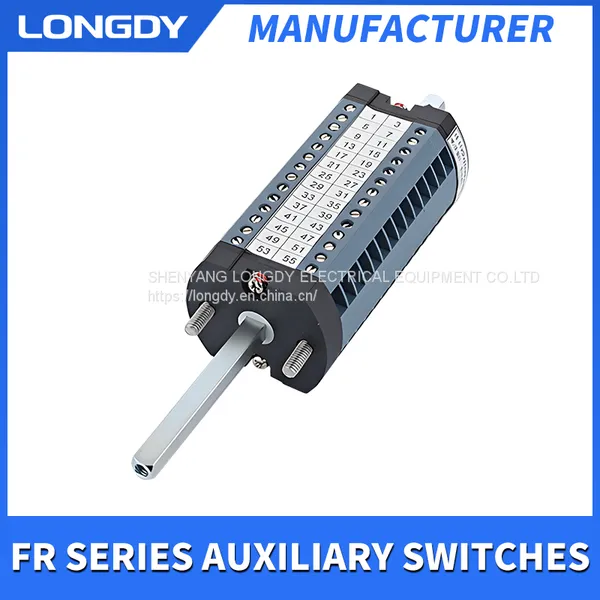
Auxiliary Switch Circuit Breaker Rail Transportation High Voltage Switch Pure Silver Contact PA66 ShellUS$ 37.5 - 55MOQ: 10 Pieces
-
Auxiliary Switch High Voltage Switch Silver Contact Mounting Accessories PC MaterialUS$ 27.7 - 35MOQ: 5 Pieces
-
Medical Housing Plastic Housing Plastic Parts Processing Injection Molding Parts ManufacturersUS$ 20 - 80MOQ: 5000 Pieces
-
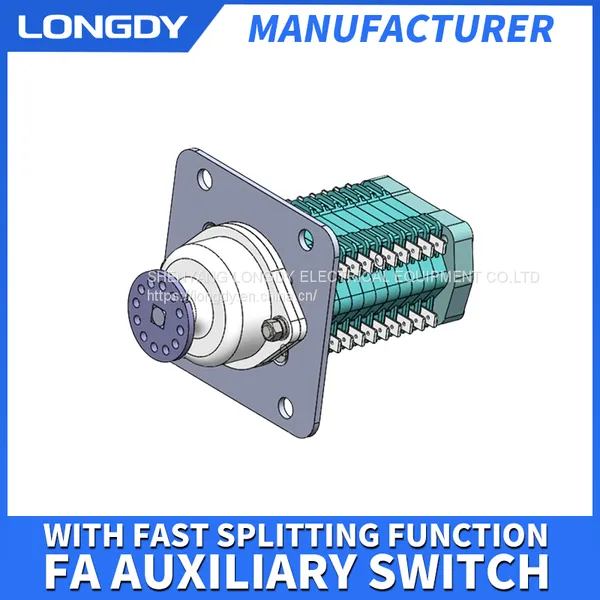
FA (F10) Fast Tap Auxiliary Switch High Voltage Switch Circuit Breaker Slow Speed Mechanism Auxiliary SwitchUS$ 20 - 25MOQ: 10 Pieces
-
The Silver Contact of the Transfer Switch Has High Contact Pressure and Strong Seismic Performance, Suitable for Industries Such as Power Industry AutomationUS$ 20.5 - 25MOQ: 5 Pieces
-
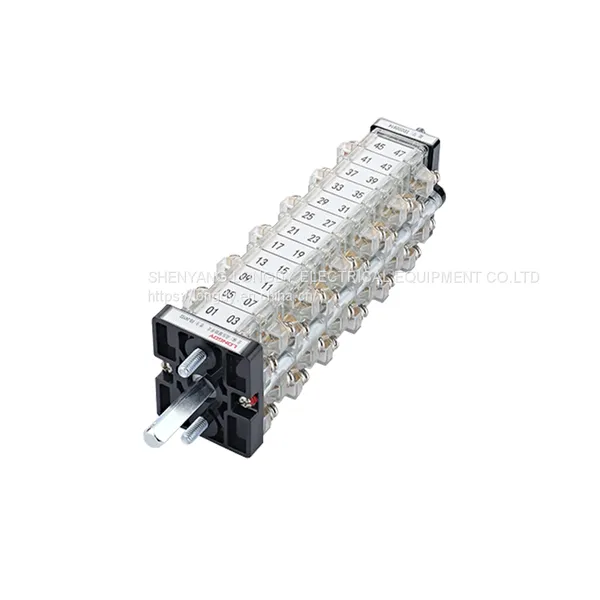
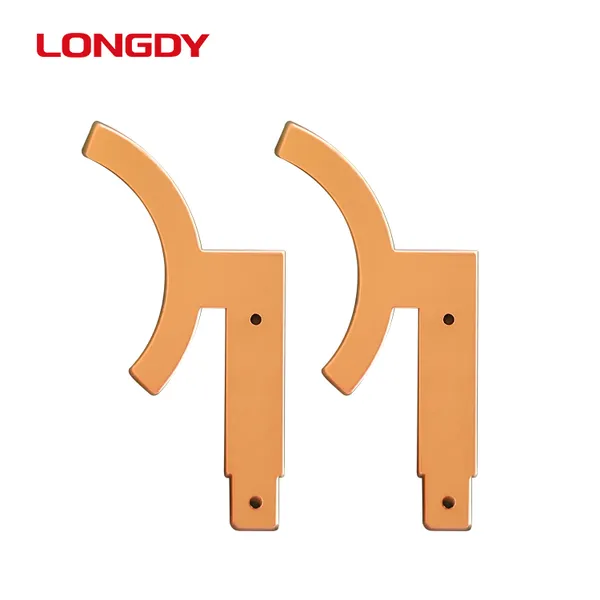
Precision Stamping Parts Processing Plant Stainless Steel Copper Aluminium Non-standard PartsUS$ 0.1 - 0.5MOQ: 1000 Pieces
-
Precision Stamping Parts Processing Source Factory Excellent Material for Non-Standard Metal PartsUS$ 0.1 - 3MOQ: 5000 Pieces
-
CNC Stamping Parts ISO 9001 Certified Machining Services High Quality Stainless Steel PartsUS$ 0.2 - 1MOQ: 2000 Pieces
-
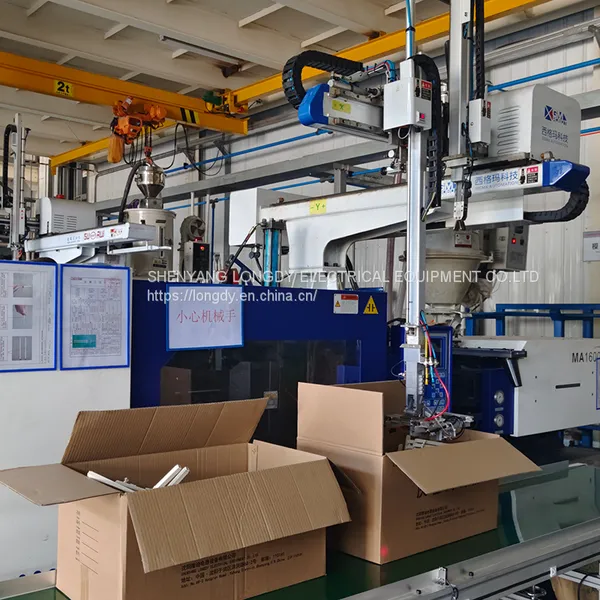
Stamping Parts Processing Plant Stainless Steel Special-shaped Parts Custom High PrecisionUS$ 0.2 - 5MOQ: 10000 Pieces
-
Medical Equipments Shell Injection Plastic Molding ABS PC PP PVC PE Professional CustomizedUS$ 11 - 14MOQ: 100 Pieces
-
Stamping Parts Chinese Supplier Custom High Precision Non-Standard Stainless Steel Metal PartsUS$ 0.02 - 0.1MOQ: 1000 Pieces