 Business License

What role does the auxiliary switch play in the hydraulic spring mechanism of power equipment?
In the pulse of industry, power equipment is the backbone that supports modern civilization. In the heart of these devices, the hydraulic spring mechanism plays a vital role, and in this delicate and complex system, auxiliary switches are like nerve endings, carrying the mission of sensing and instruction transmission.
Imagine the hydraulic system as the blood circulation in the human body, and the spring mechanism as the valves that precisely regulate the blood flow. In this analogy, the auxiliary switches are the sensors that are distributed at each critical node, which not only monitor the health of the system, but also issue warnings or implement emergency measures when necessary to ensure the stable operation of the entire system.
First and foremost, one of the roles of auxiliary switches is monitoring. They are the guardians of the hydraulic spring mechanism, always detecting key parameters such as pressure levels, flow and temperature. This data is critical to maintaining optimum performance of the unit. When an abnormality occurs in the system, auxiliary switches are able to react quickly, alerting the operator or control system by changing the connection or disconnection of the circuit, thus preventing potential failure or damage.
Secondly, auxiliary switches also perform a control function. In some cases, when the system reaches a specific operating state or parameter, the auxiliary switch will be automatically triggered to cause the corresponding mechanical or electrical action. For example, when the pressure of the hydraulic system is too high, the auxiliary switch can activate the safety valve to release the excess pressure, or when the pressure is too low, it can activate the pump to increase the pressure to ensure the continuous operation of the system.
Furthermore, auxiliary switches play a role in optimizing energy efficiency in the hydraulic spring mechanism of power equipment. Through real-time monitoring and intelligent control of the system status, auxiliary switches help to reduce energy waste and improve overall efficiency. For example, they can adjust the speed of pumps or turn on and off certain unnecessary parts according to actual needs, thus realizing energy saving and consumption reduction.
Finally, the presence of auxiliary switches greatly improves the reliability and safety of electrical equipment. In an emergency, such as a fire or a serious system failure, auxiliary switches can cut off the power supply or trigger an emergency shutdown procedure, protecting the equipment from further damage and safeguarding the safety of the operator.
In short, the auxiliary switch is more than a simple component in the hydraulic spring mechanism of power equipment; it is a key player, a silent guardian and a wise decision maker. It ensures the smooth operation of the system, optimizes energy use, enhances equipment safety, and is an integral part of our modern industrial system. In every beat of the hydraulic spring mechanism, the auxiliary switch is silently demonstrating its power, guarding the pulse of the power on which we depend for our survival and development.
Recently Posted
-
Discover the wonderful world of microswitches
November 24, 2025In the vast ocean of modern technology, there are countless fascinating tiny wonders. Although they are inconspicuous, they play a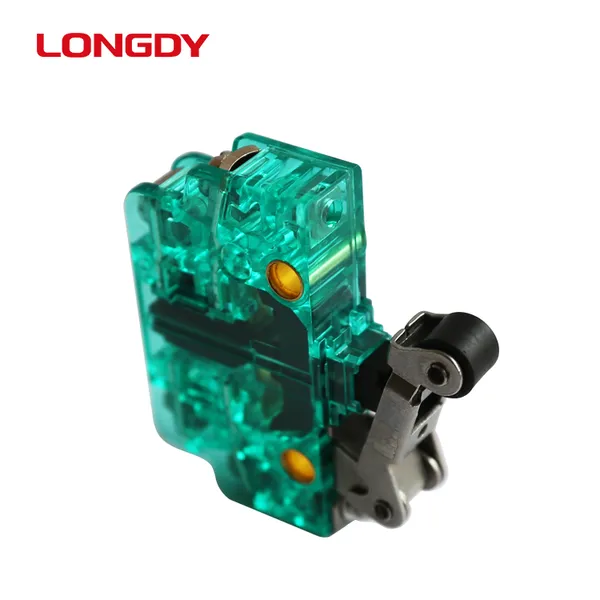 Read More
 -
Why use high voltage auxiliary switches for triplex mechanisms in power equipment? In-depth analysis
November 24, 2025In the complex operation system of power equipment, the three-position mechanism plays a crucial role. Among them, the application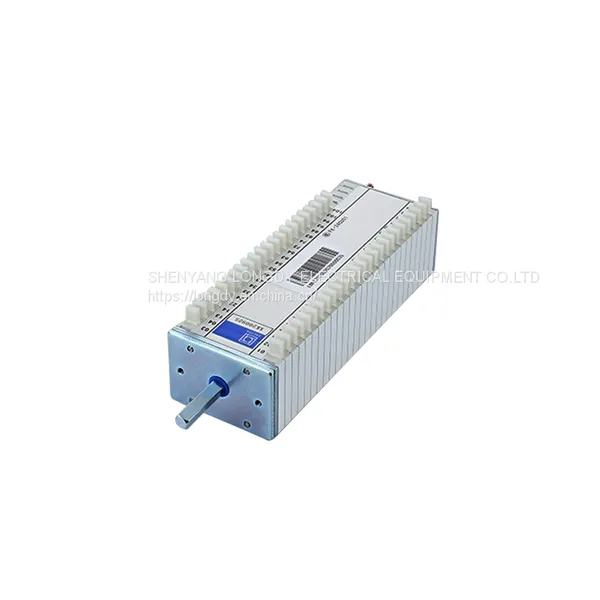 Read More
 -
Several golden rules for selecting materials in stamping processing
August 5, 2024In stamping processing, the selection of materials is crucial, because it not only affects the quality and precision of the parts,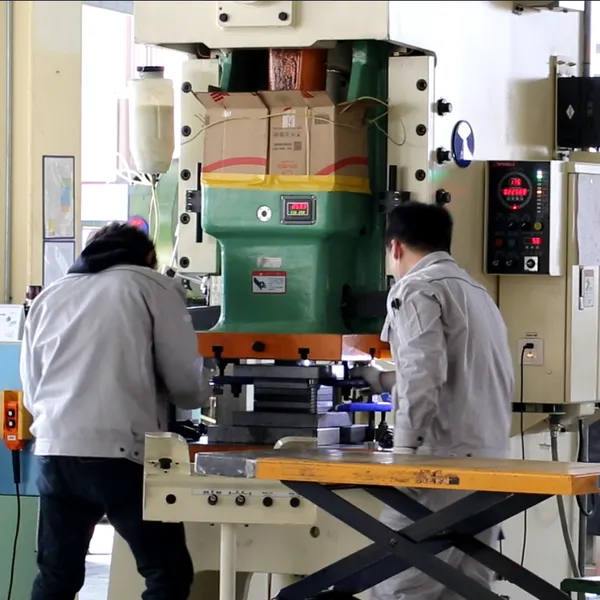 Read More
 -
How to improve the precision and efficiency of CNC machining?
August 5, 2024In modern manufacturing, CNC technology has become the core force in the production of complex parts and components with its high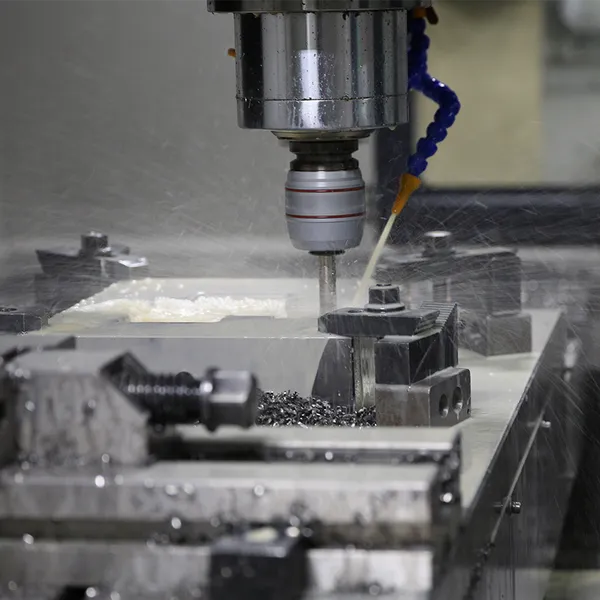 Read More

Contact Us
Recommended Products
-
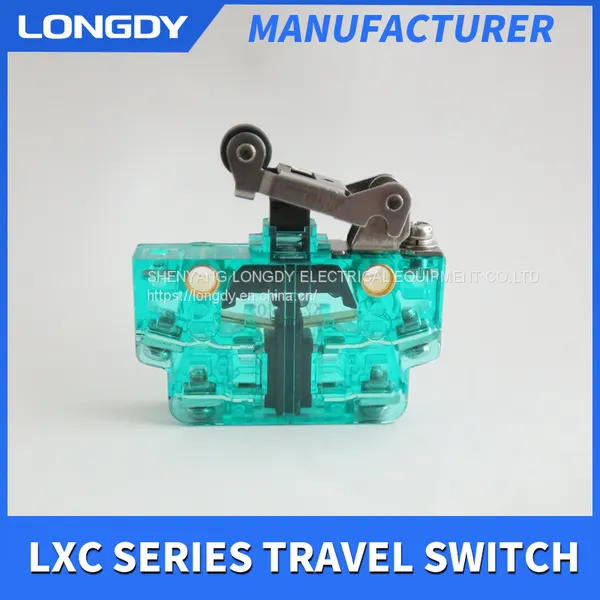
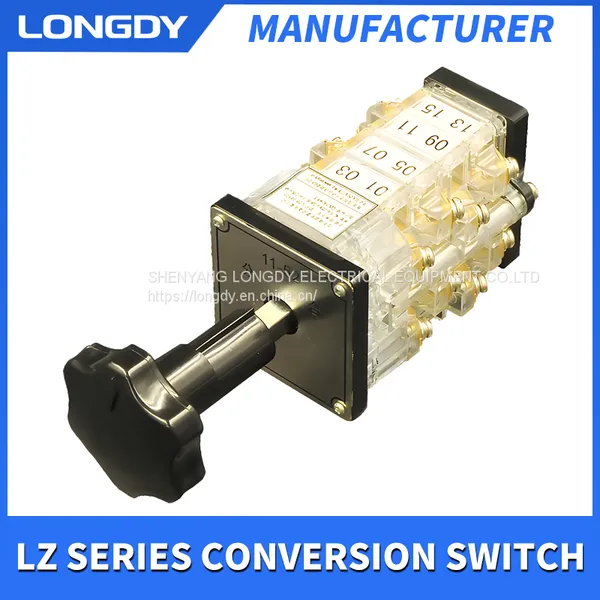
 Microswitch LXC Model Pertain Grounding Switches Knife Gate Switches Transfer Switches Contactors Metro DoorUS$ 11.6 - 15MOQ: 10 Pieces
 -
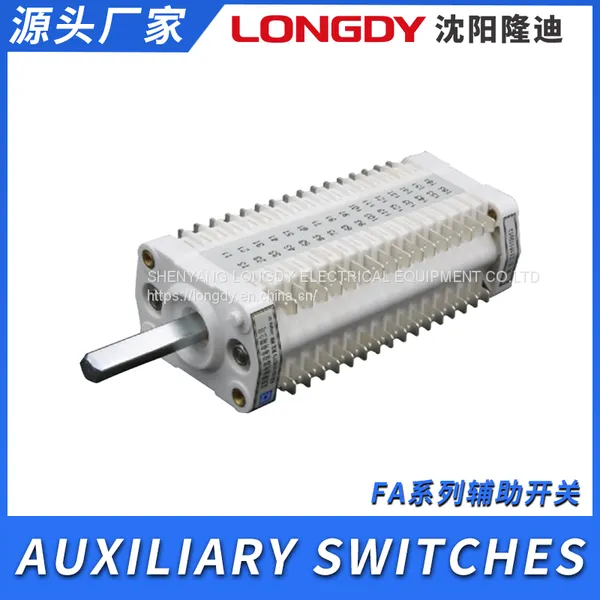
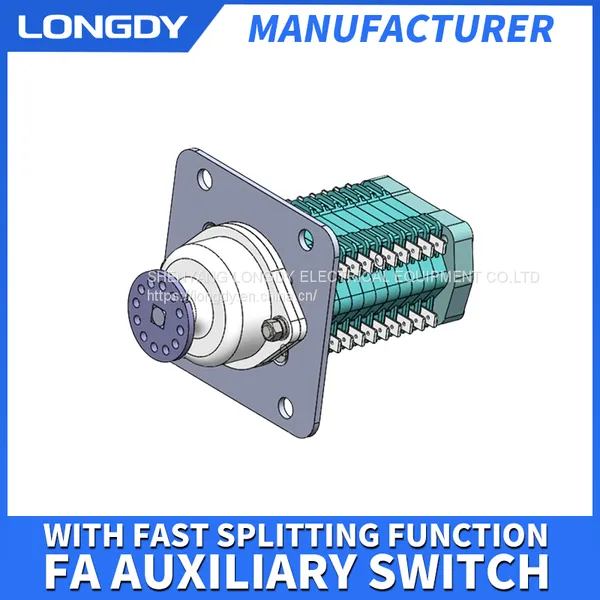
High Voltage Auxiliary Switches, Type FA, Sliding Contact Construction, for Motor-drive Mechanism, Three-position Mechanism, Quick-earthing SwitchesUS$ 14.3 - 16MOQ: 5 Pieces
-
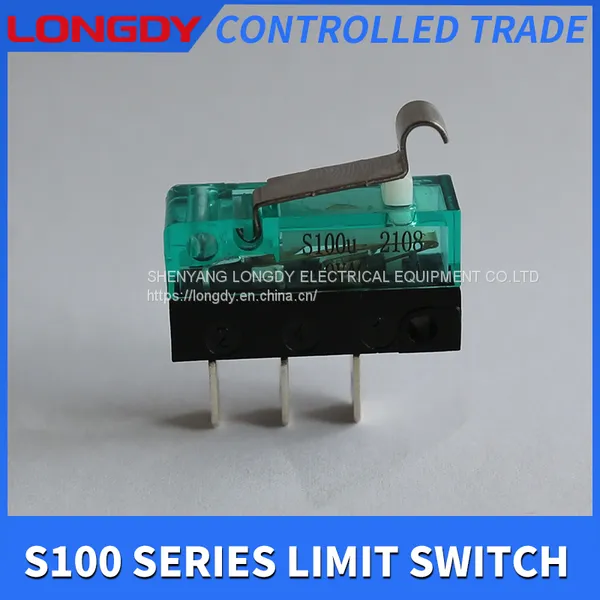
Microswitch S100u Type Suitable for Contactors Vacuum Circuit Breakers Knife Gate SwitchesUS$ 6.2 - 8MOQ: 20 Pieces
-
Microswitch Type LXF Suitable for ContactorsUS$ 17.14 - 21.43MOQ: 5 Pieces
-
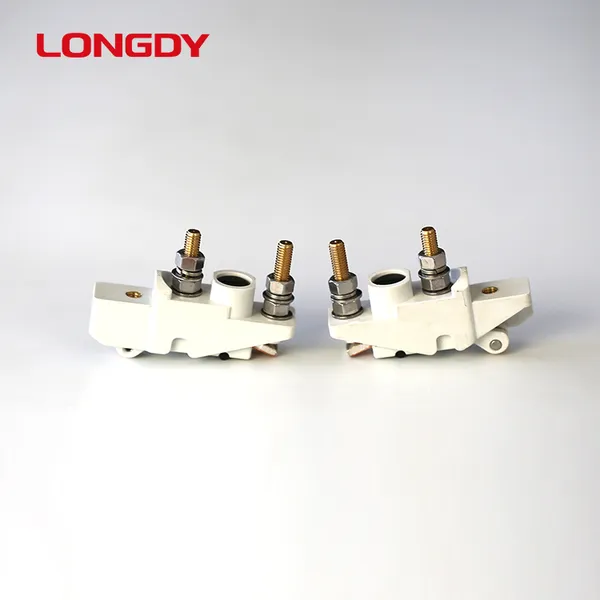
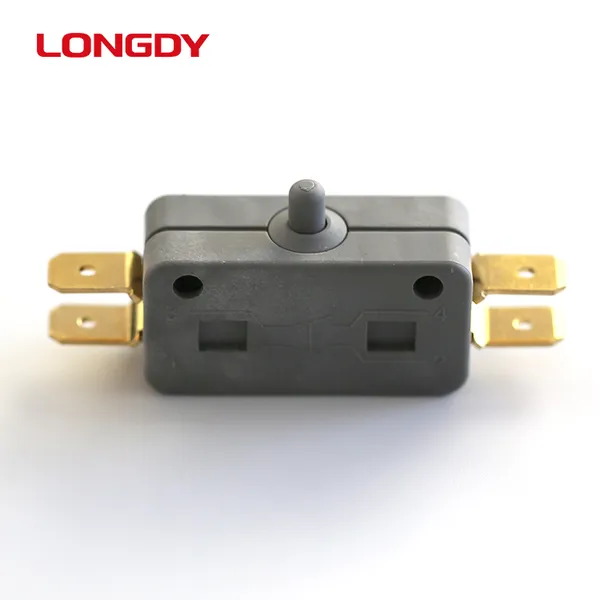
Microswitches Type LXE for ContactorsUS$ 3.57 - 4.29MOQ: 20 Pieces
-
High Voltage Auxiliary Switch FC Model Travel Switch Rack and Pinion Suitable for Hydraulic MechanismsUS$ 215.9 - 249MOQ: 5 Pieces
-
High Voltage Auxiliary Switch FK Model Pertain For Electric Mechanism Hydraulic Mechanism Disc Spring Mechanism Quick-grounding MechanismUS$ 56.2 - 60MOQ: 5 Pieces
-
Waterproof Microswitch Specialized in Machinery Industry Switches Factory Direct SaleUS$ 18.57 - 22.86MOQ: 20 Pieces
-
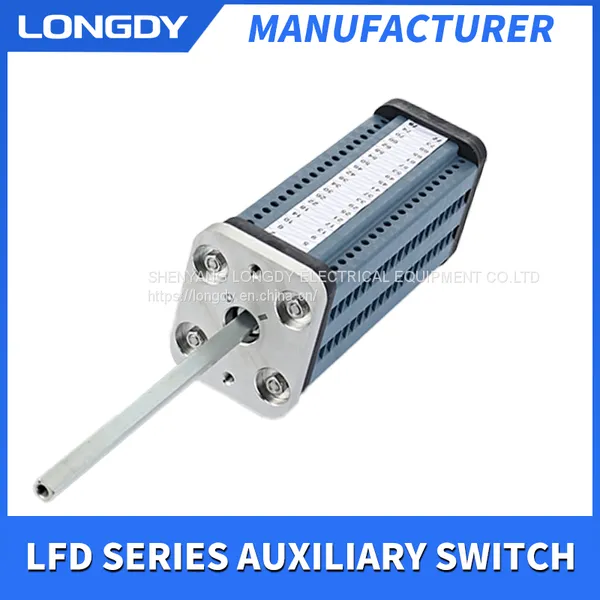
Manufacturer of LFD High-voltage Auxiliary Switch Circuit Breaker SwitchUS$ 37.9 - 40MOQ: 10 Pieces
-
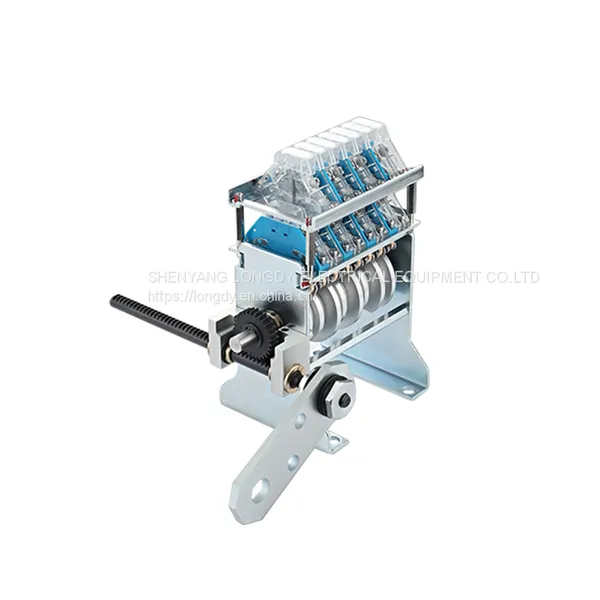
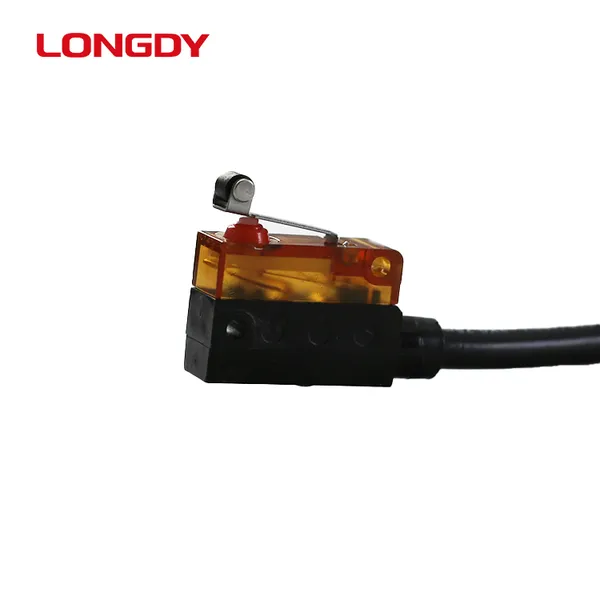
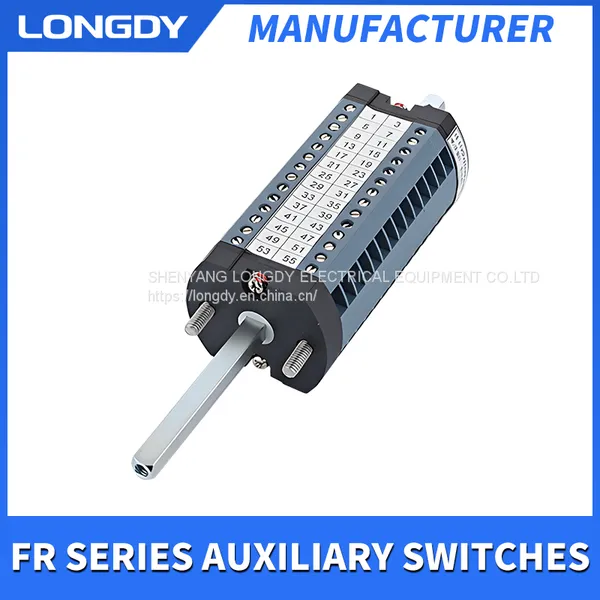
Auxiliary Switch Circuit Breaker Rail Transportation High Voltage Switch Pure Silver Contact PA66 ShellUS$ 37.5 - 55MOQ: 10 Pieces
-
Auxiliary Switch High Voltage Switch Silver Contact Mounting Accessories PC MaterialUS$ 27.7 - 35MOQ: 5 Pieces
-
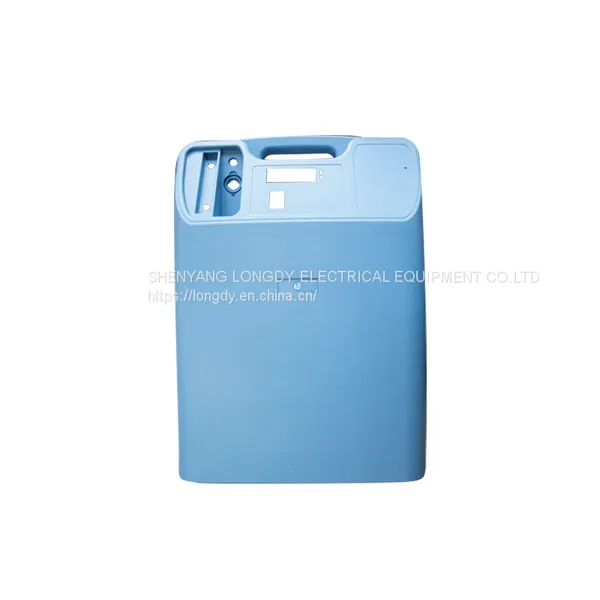
Medical Housing Plastic Housing Plastic Parts Processing Injection Molding Parts ManufacturersUS$ 20 - 80MOQ: 5000 Pieces
-
FA (F10) Fast Tap Auxiliary Switch High Voltage Switch Circuit Breaker Slow Speed Mechanism Auxiliary SwitchUS$ 20 - 25MOQ: 10 Pieces
-
The Silver Contact of the Transfer Switch Has High Contact Pressure and Strong Seismic Performance, Suitable for Industries Such as Power Industry AutomationUS$ 20.5 - 25MOQ: 5 Pieces
-
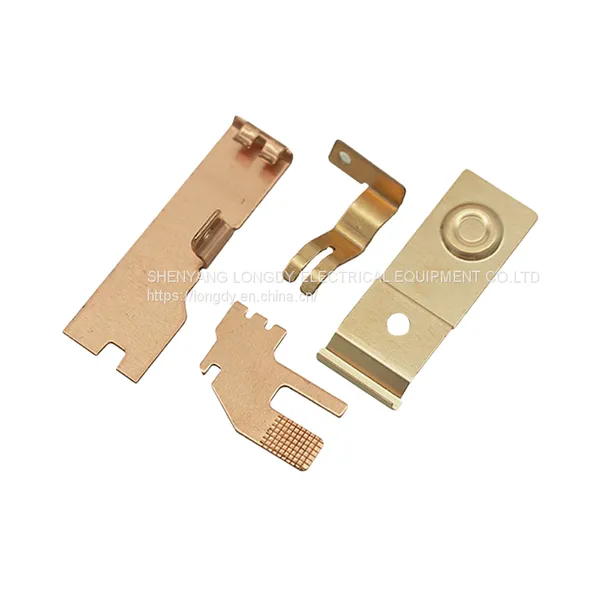
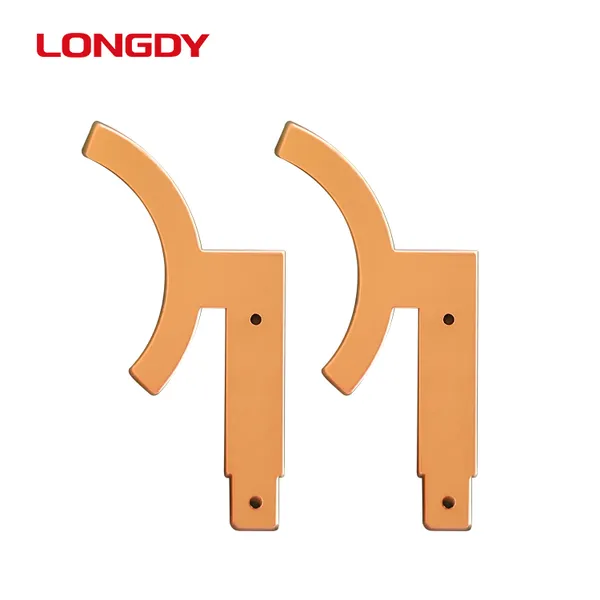
Precision Stamping Parts Processing Plant Stainless Steel Copper Aluminium Non-standard PartsUS$ 0.1 - 0.5MOQ: 1000 Pieces
-
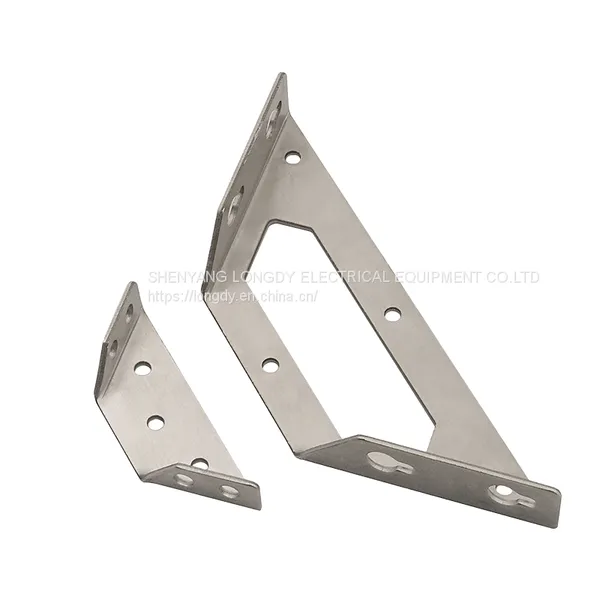
Precision Stamping Parts Processing Source Factory Excellent Material for Non-Standard Metal PartsUS$ 0.1 - 3MOQ: 5000 Pieces
-
CNC Stamping Parts ISO 9001 Certified Machining Services High Quality Stainless Steel PartsUS$ 0.2 - 1MOQ: 2000 Pieces
-
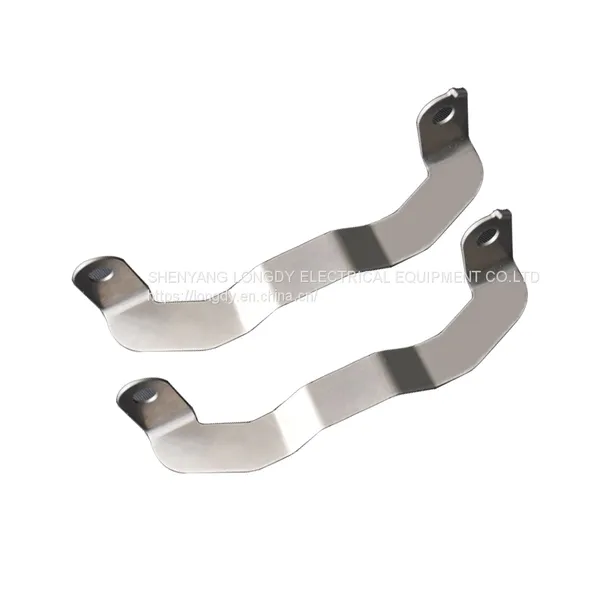
Stamping Parts Processing Plant Stainless Steel Special-shaped Parts Custom High PrecisionUS$ 0.2 - 5MOQ: 10000 Pieces
-
Medical Equipments Shell Injection Plastic Molding ABS PC PP PVC PE Professional CustomizedUS$ 11 - 14MOQ: 100 Pieces
-
Stamping Parts Chinese Supplier Custom High Precision Non-Standard Stainless Steel Metal PartsUS$ 0.02 - 0.1MOQ: 1000 Pieces