 Business License

Application of auxiliary switch in power transmission and transformation equipment
In the energy system of modern society, electricity plays an indispensable role. From home lighting to industrial production, to the infrastructure of the city, electricity is an important power to maintain our daily life and economic development. However, behind this, there is an often overlooked but extremely important link - the auxiliary switch in the transmission and transformation equipment. Although it is small, it carries the great responsibility of guaranteeing the safe and stable operation of the power grid.
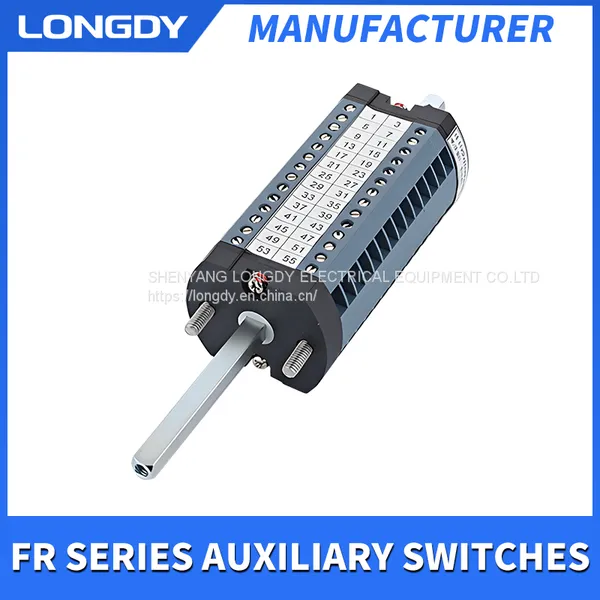
Auxiliary switch, as its name suggests, is a switching device that plays an auxiliary role outside the main circuit. Unlike the main switch, which is directly involved in the transmission of electricity, auxiliary switches are mainly used for control, monitoring and protection purposes. They are usually installed in critical parts of transmission and substation equipment, such as transformers, circuit breakers and relays.
In transformers, auxiliary switches are used to monitor parameters such as oil temperature, oil level, and pressure. When these parameters are out of normal range, the auxiliary switch triggers an alarm system or directly activates the cooling system to ensure that the transformer is not damaged by overheating. In addition, the auxiliary switch enables the adjustment of the transformer taps to suit different voltage requirements and ensure the stability of the power supply.
The role of the auxiliary switch on the circuit breaker is also not to be underestimated. It detects the opening and closing status of the circuit breaker and transmits this information to the control system. This allows the operator to remotely monitor and operate the circuit breaker, greatly improving the intelligence of the grid. In the event of a fault, the auxiliary switch can also quickly cut off the faulty part to prevent the accident from expanding.
As the "brain" of the grid, the stability of the relay is crucial to the operation of the entire system. Auxiliary switches are responsible for protecting the relays against overloads and short circuits. Once an abnormal current is detected, the auxiliary switch will immediately act to cut off the power supply, thus protecting the relay and the entire grid.
In addition to these functions, auxiliary switches also play a role in improving the efficiency of the power grid. Through precise control and fast response, auxiliary switches help to reduce power loss and optimise grid operation. In the construction of smart grids, auxiliary switches even play a key role in connecting various sensors, actuators and control systems, and are the basic components for the realisation of grid automation and informatisation.
Although auxiliary switches do not account for a large proportion of power transmission and transformation equipment, their role is like the capillaries in the human body, although subtle but vital. They silently guard the safety and stability of the power grid, and are the indispensable heroes behind the scenes in our modern life. In the future, with the continuous progress of technology, auxiliary switches will be more powerful and more widely used, providing solid support for building a more intelligent and efficient power system.
Recently Posted
-
Discover the wonderful world of microswitches
November 24, 2025In the vast ocean of modern technology, there are countless fascinating tiny wonders. Although they are inconspicuous, they play a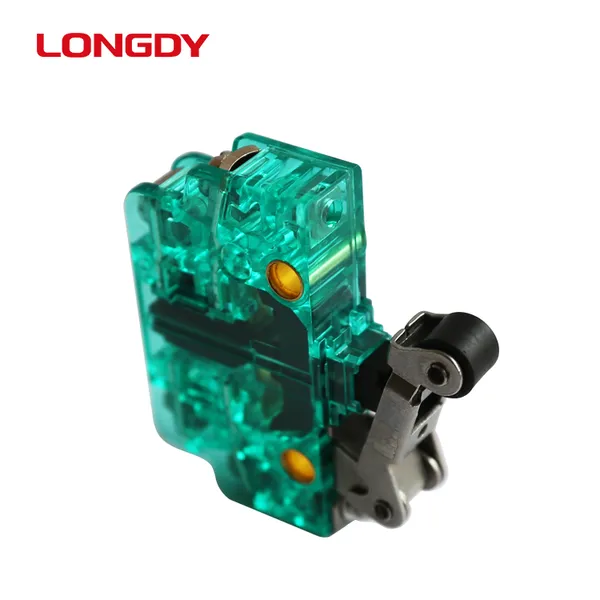 Read More
 -
Why use high voltage auxiliary switches for triplex mechanisms in power equipment? In-depth analysis
November 24, 2025In the complex operation system of power equipment, the three-position mechanism plays a crucial role. Among them, the application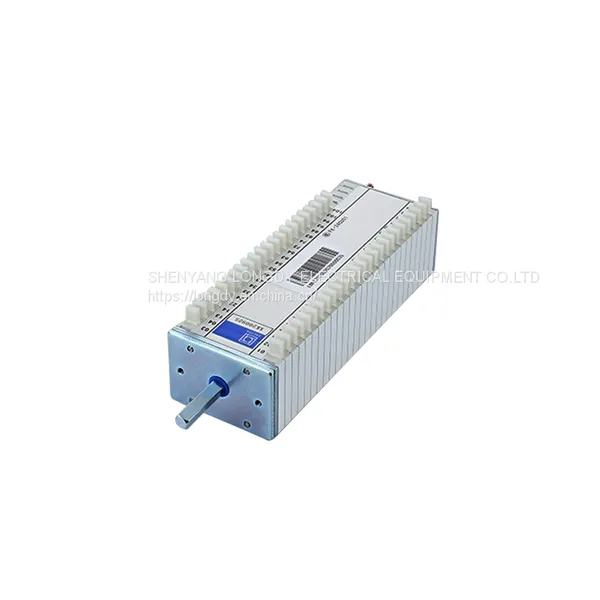 Read More
 -
Several golden rules for selecting materials in stamping processing
August 5, 2024In stamping processing, the selection of materials is crucial, because it not only affects the quality and precision of the parts,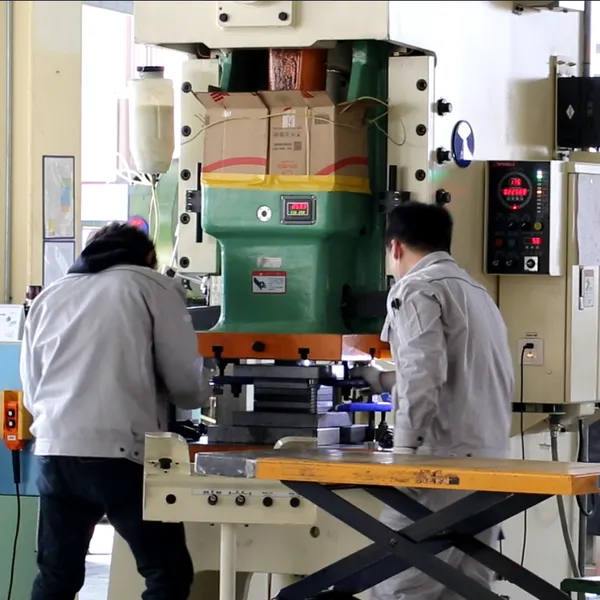 Read More
 -
How to improve the precision and efficiency of CNC machining?
August 5, 2024In modern manufacturing, CNC technology has become the core force in the production of complex parts and components with its high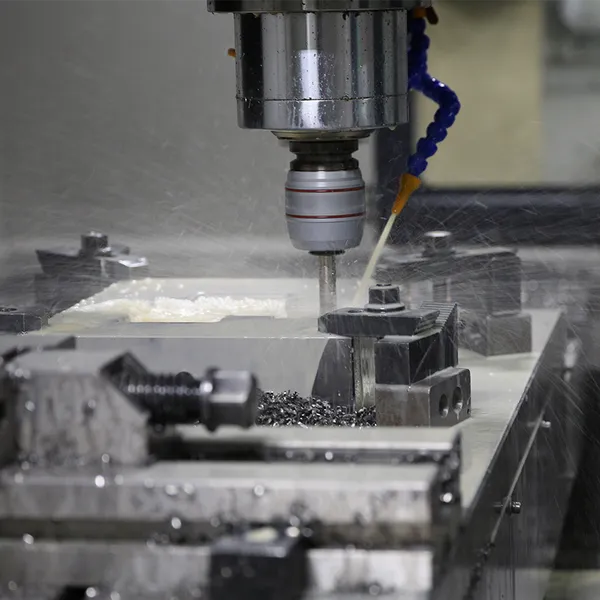 Read More

Contact Us
Recommended Products
-
 Microswitch LXC Model Pertain Grounding Switches Knife Gate Switches Transfer Switches Contactors Metro DoorUS$ 11.6 - 15MOQ: 10 Pieces
 -
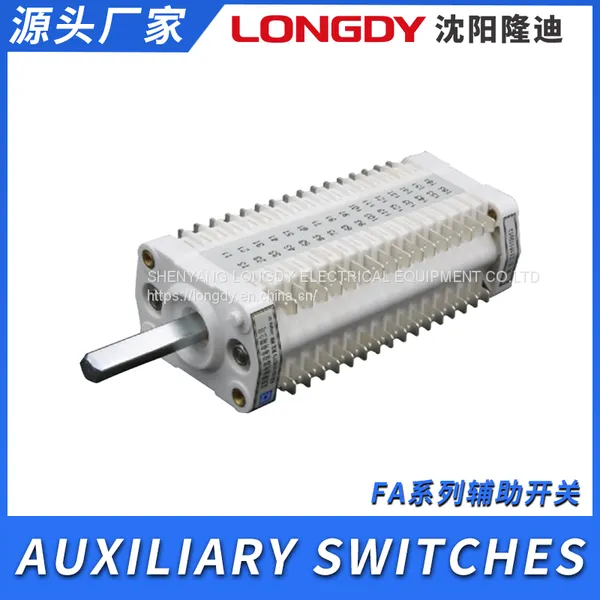
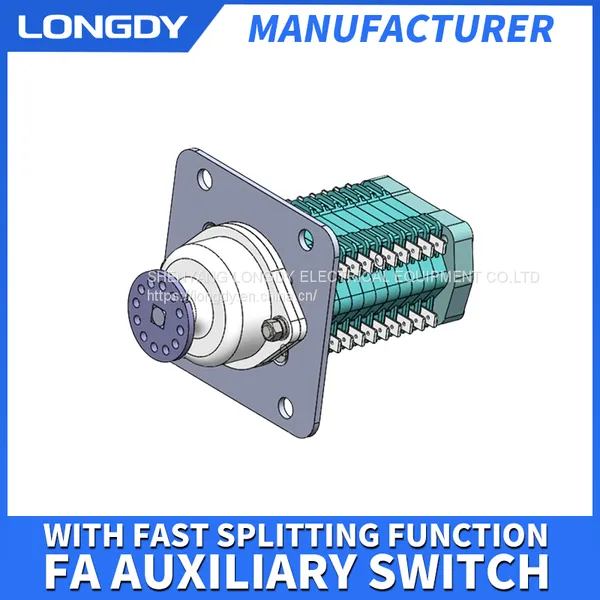
High Voltage Auxiliary Switches, Type FA, Sliding Contact Construction, for Motor-drive Mechanism, Three-position Mechanism, Quick-earthing SwitchesUS$ 14.3 - 16MOQ: 5 Pieces
-
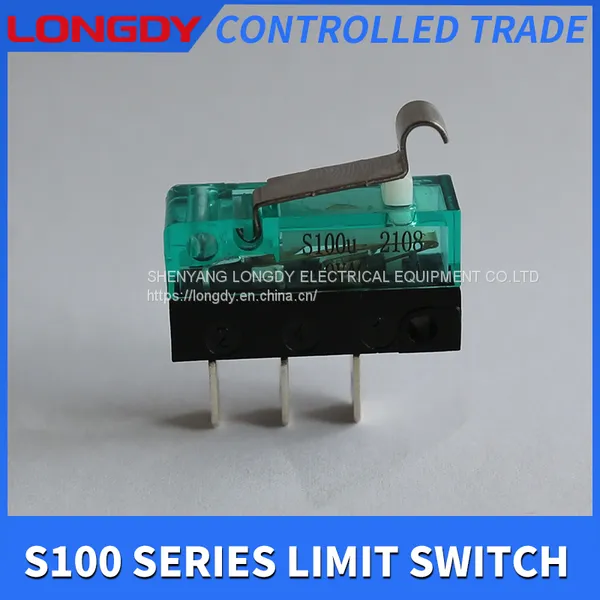
Microswitch S100u Type Suitable for Contactors Vacuum Circuit Breakers Knife Gate SwitchesUS$ 6.2 - 8MOQ: 20 Pieces
-
Microswitch Type LXF Suitable for ContactorsUS$ 17.14 - 21.43MOQ: 5 Pieces
-
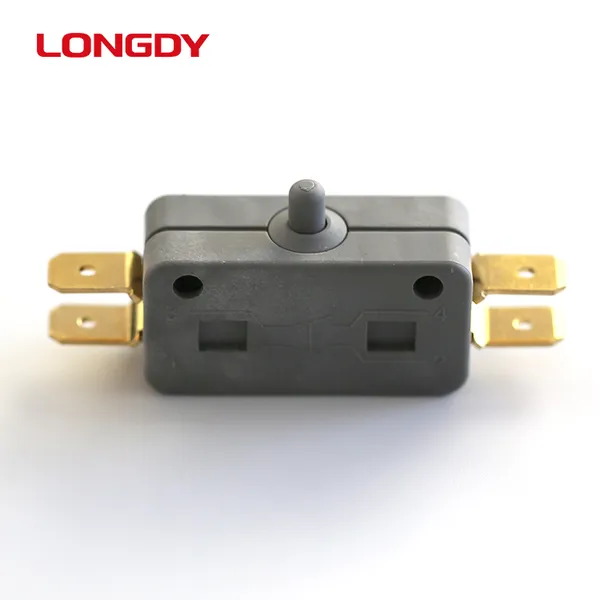
Microswitches Type LXE for ContactorsUS$ 3.57 - 4.29MOQ: 20 Pieces

-
High Voltage Auxiliary Switch FC Model Travel Switch Rack and Pinion Suitable for Hydraulic MechanismsUS$ 215.9 - 249MOQ: 5 Pieces
-
High Voltage Auxiliary Switch FK Model Pertain For Electric Mechanism Hydraulic Mechanism Disc Spring Mechanism Quick-grounding MechanismUS$ 56.2 - 60MOQ: 5 Pieces
-
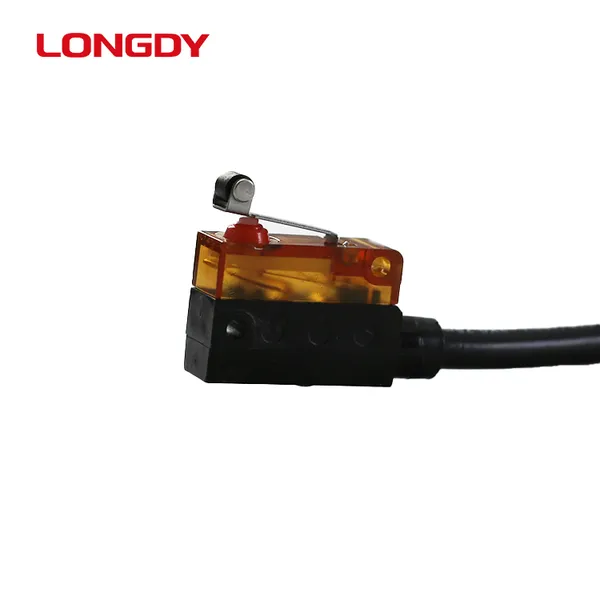
Waterproof Microswitch Specialized in Machinery Industry Switches Factory Direct SaleUS$ 18.57 - 22.86MOQ: 20 Pieces
-
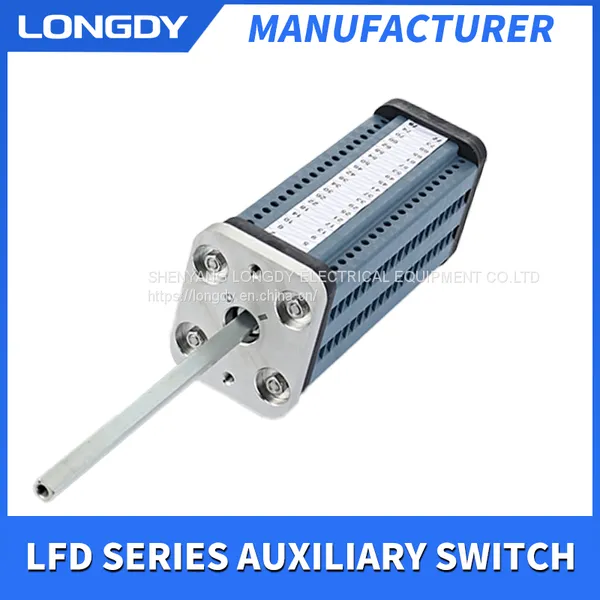
Manufacturer of LFD High-voltage Auxiliary Switch Circuit Breaker SwitchUS$ 37.9 - 40MOQ: 10 Pieces
-
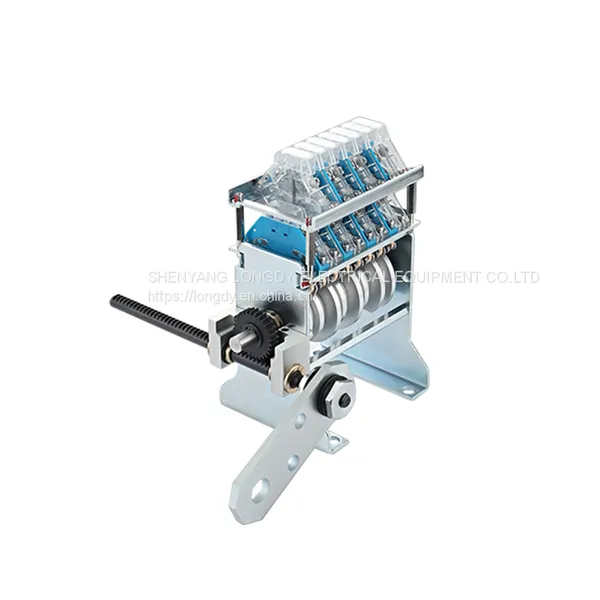
Auxiliary Switch Circuit Breaker Rail Transportation High Voltage Switch Pure Silver Contact PA66 ShellUS$ 37.5 - 55MOQ: 10 Pieces
-
Auxiliary Switch High Voltage Switch Silver Contact Mounting Accessories PC MaterialUS$ 27.7 - 35MOQ: 5 Pieces
-
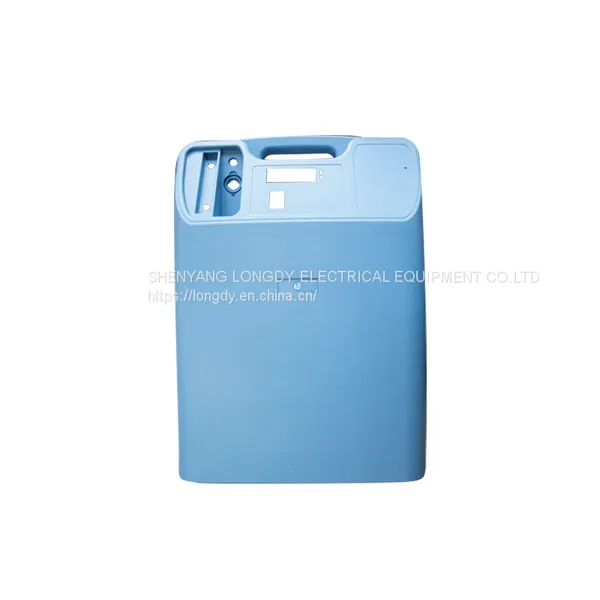
Medical Housing Plastic Housing Plastic Parts Processing Injection Molding Parts ManufacturersUS$ 20 - 80MOQ: 5000 Pieces
-
FA (F10) Fast Tap Auxiliary Switch High Voltage Switch Circuit Breaker Slow Speed Mechanism Auxiliary SwitchUS$ 20 - 25MOQ: 10 Pieces
-
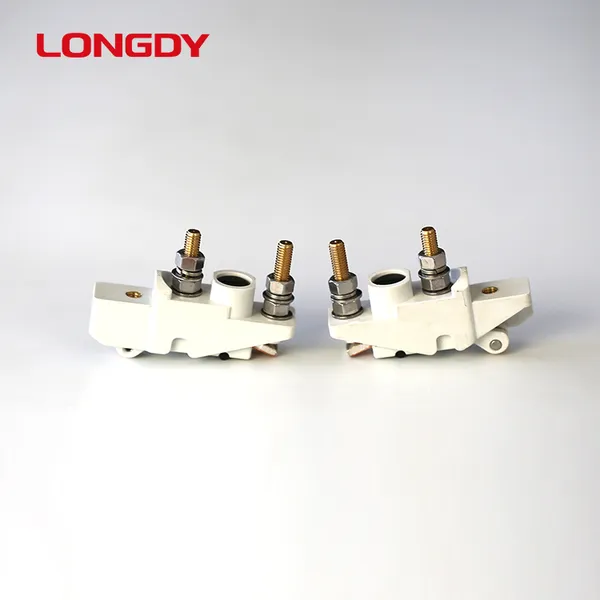
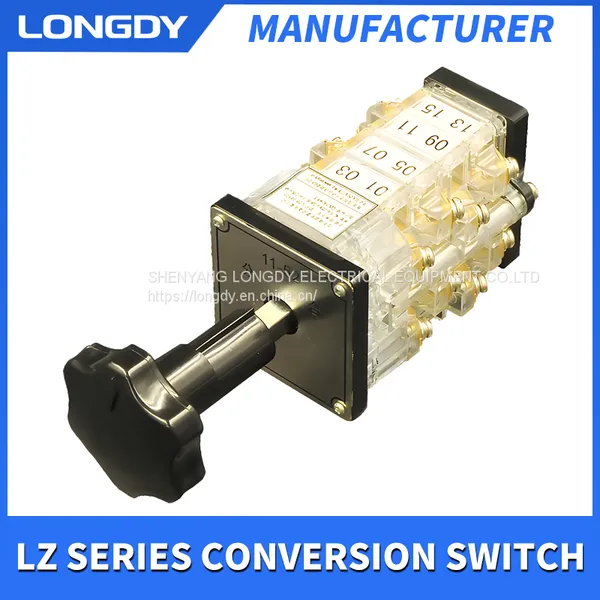
The Silver Contact of the Transfer Switch Has High Contact Pressure and Strong Seismic Performance, Suitable for Industries Such as Power Industry AutomationUS$ 20.5 - 25MOQ: 5 Pieces
-
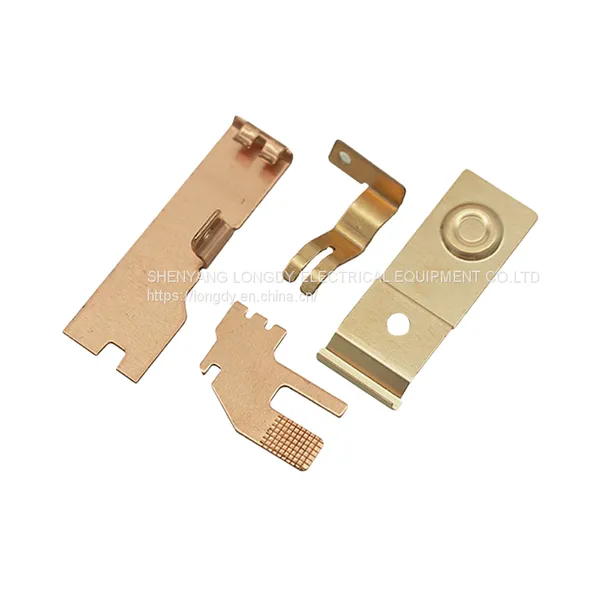
Precision Stamping Parts Processing Plant Stainless Steel Copper Aluminium Non-standard PartsUS$ 0.1 - 0.5MOQ: 1000 Pieces

-
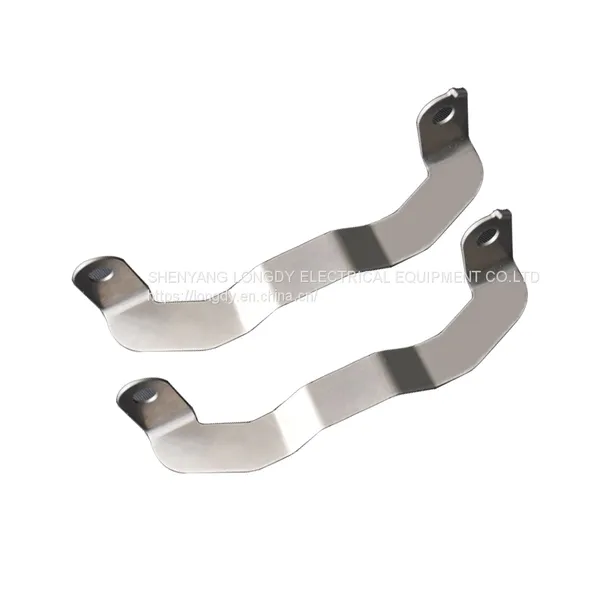
Precision Stamping Parts Processing Source Factory Excellent Material for Non-Standard Metal PartsUS$ 0.1 - 3MOQ: 5000 Pieces
-
CNC Stamping Parts ISO 9001 Certified Machining Services High Quality Stainless Steel PartsUS$ 0.2 - 1MOQ: 2000 Pieces
-
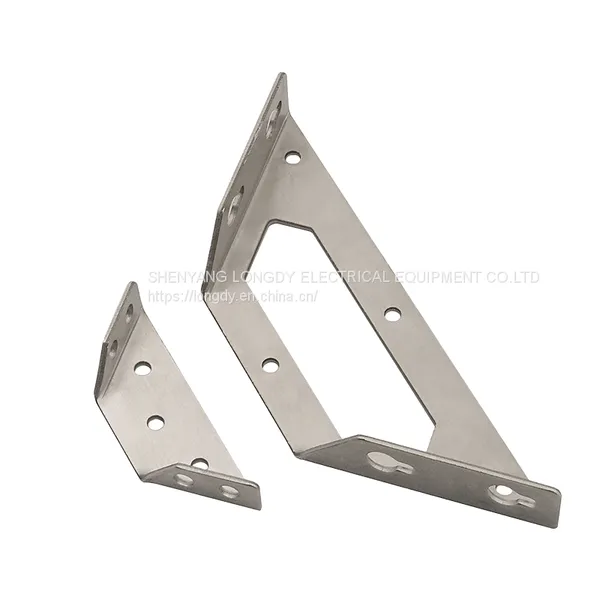
Stamping Parts Processing Plant Stainless Steel Special-shaped Parts Custom High PrecisionUS$ 0.2 - 5MOQ: 10000 Pieces
-
Medical Equipments Shell Injection Plastic Molding ABS PC PP PVC PE Professional CustomizedUS$ 11 - 14MOQ: 100 Pieces
-
Stamping Parts Chinese Supplier Custom High Precision Non-Standard Stainless Steel Metal PartsUS$ 0.02 - 0.1MOQ: 1000 Pieces