 Business License

What are the programming techniques for machining?
In the machining process, the mastery and application of programming skills is essential to improve machining efficiency, reduce errors and ensure product quality. This article will provide you with a detailed analysis of some of the key skills in machining programming.
First, understand the performance of the machine tool machining is the basis of programming. Each machine tool has its own unique performance indicators, such as the maximum stroke, spindle speed, feed rate and so on. Programming must ensure that the parameter settings in the program do not exceed the performance limits of the machine tool, or it may lead to machine damage or workpiece scrap.
Second, accurate computerized machining tool paths are critical. In machining programming, tool paths need to be calculated very accurately to avoid problems such as tool collisions, overcutting or undercutting. This usually involves complex geometric calculations and coordinate conversions. The use of modern CAD/CAM software can greatly simplify this process.
Third, selecting appropriate cutting parameters is also key to machining programming. Cutting parameters include cutting speed, feed rate and depth of cut. The selection of these parameters directly affects the machining efficiency and workpiece surface quality. Usually, high-speed cutting can reduce the machining time, but may reduce the surface quality; while lower speeds may extend the machining time, but can obtain a better surface finish.
Fourth, simulation is utilized to predict potential problems in advance. Through simulation, errors in the program, such as tool collisions and incorrect tool paths, can be checked without touching the actual machine tool. This allows errors to be corrected in time before actual machining, saving time and cost.
Fifth, modular programming improves efficiency. When facing the machining of complex parts, the commonly used program segments or functions can be modularized to form a standard program library. In this way, when writing new programs, these modules can be called directly, reducing duplication of effort and improving programming efficiency. At the same time, modular programming also helps to standardize and maintain the program.
Sixth, make full use of the tool compensation function. In machining, tool wear is inevitable. The use of tool radius compensation function can adjust the actual cutting path of the tool to adapt to tool wear or replacement without changing the program. This greatly improves the flexibility of machining and the reusability of the program.
Seventh, pay attention to the optimization of the program. When writing the program, empty strokes and unnecessary intermediate calculations should be reduced as much as possible to improve machining efficiency. At the same time, rational planning of the machining sequence, such as roughing first and finishing later, can avoid the duplication of work caused by improper machining sequence.
Recently Posted
-
Discover the wonderful world of microswitches
November 24, 2025In the vast ocean of modern technology, there are countless fascinating tiny wonders. Although they are inconspicuous, they play a Read More
 -
Why use high voltage auxiliary switches for triplex mechanisms in power equipment? In-depth analysis
November 24, 2025In the complex operation system of power equipment, the three-position mechanism plays a crucial role. Among them, the application Read More
 -
Several golden rules for selecting materials in stamping processing
August 5, 2024In stamping processing, the selection of materials is crucial, because it not only affects the quality and precision of the parts, Read More
 -
How to improve the precision and efficiency of CNC machining?
August 5, 2024In modern manufacturing, CNC technology has become the core force in the production of complex parts and components with its high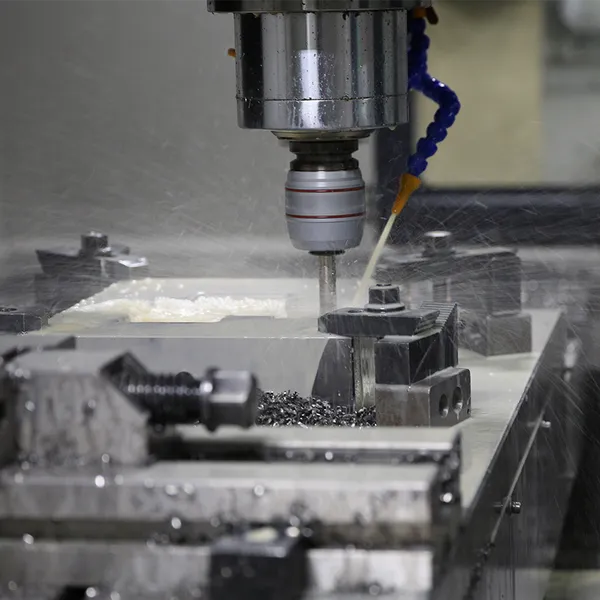 Read More

Contact Us
Recommended Products
-
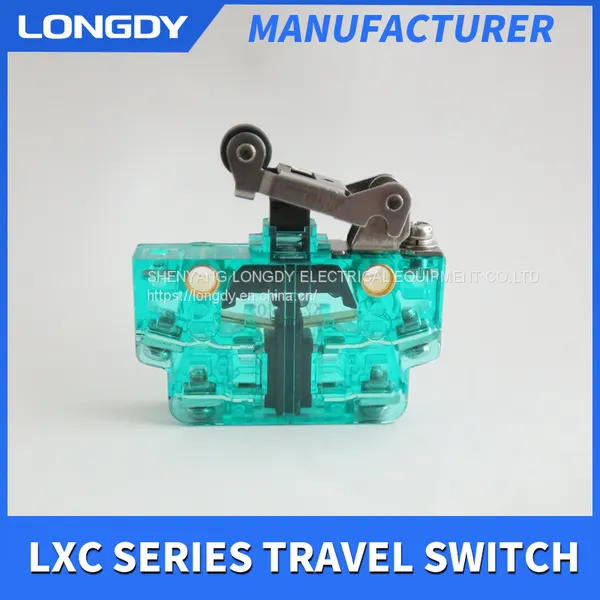
 Microswitch LXC Model Pertain Grounding Switches Knife Gate Switches Transfer Switches Contactors Metro DoorUS$ 11.6 - 15MOQ: 10 Pieces
 -
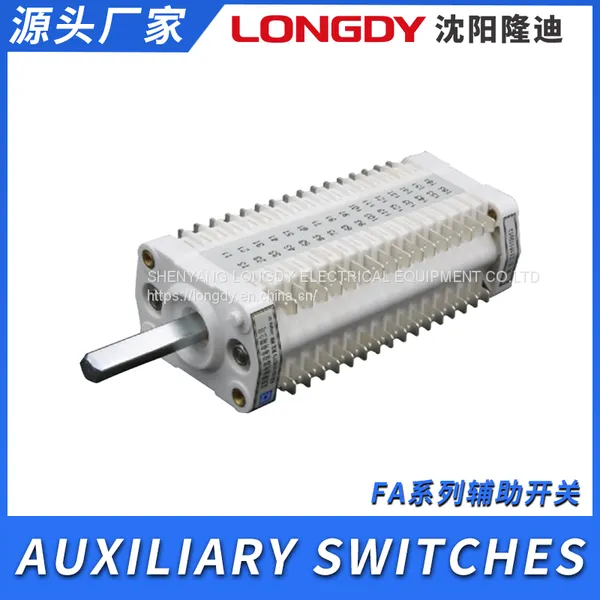
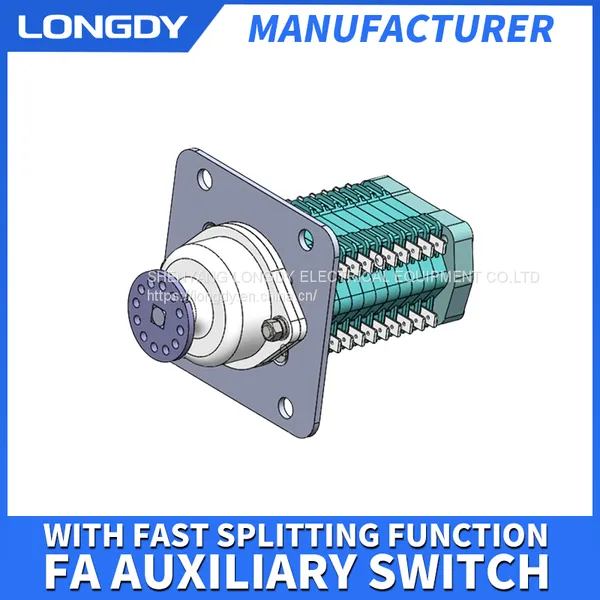
High Voltage Auxiliary Switches, Type FA, Sliding Contact Construction, for Motor-drive Mechanism, Three-position Mechanism, Quick-earthing SwitchesUS$ 14.3 - 16MOQ: 5 Pieces
-
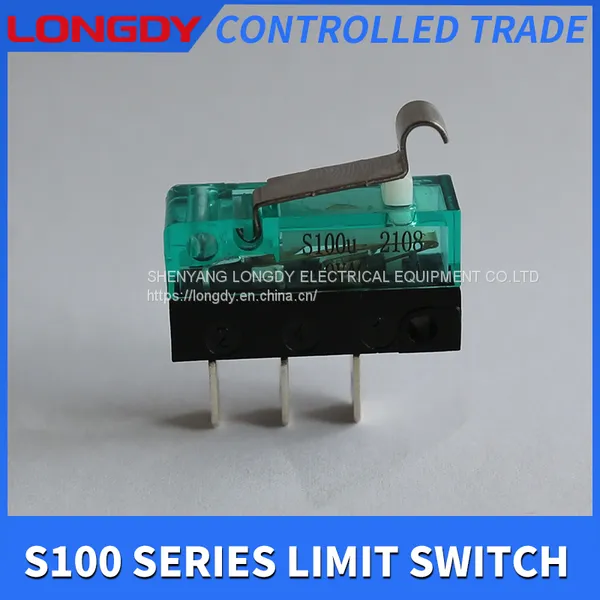
Microswitch S100u Type Suitable for Contactors Vacuum Circuit Breakers Knife Gate SwitchesUS$ 6.2 - 8MOQ: 20 Pieces
-
Microswitch Type LXF Suitable for ContactorsUS$ 17.14 - 21.43MOQ: 5 Pieces
-
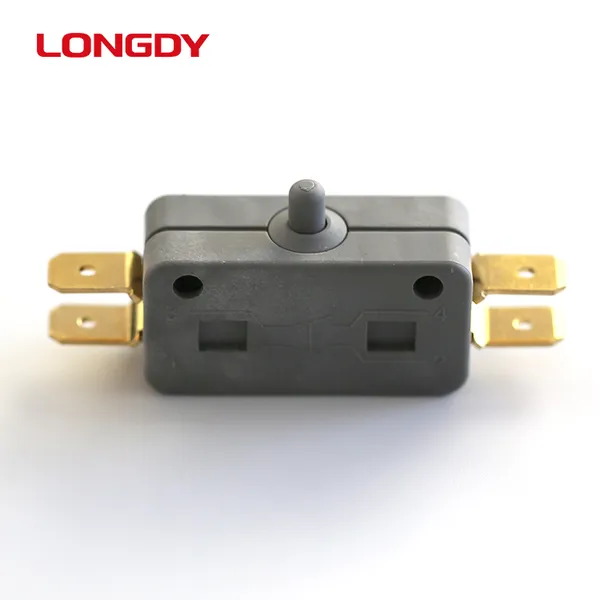
Microswitches Type LXE for ContactorsUS$ 3.57 - 4.29MOQ: 20 Pieces
-
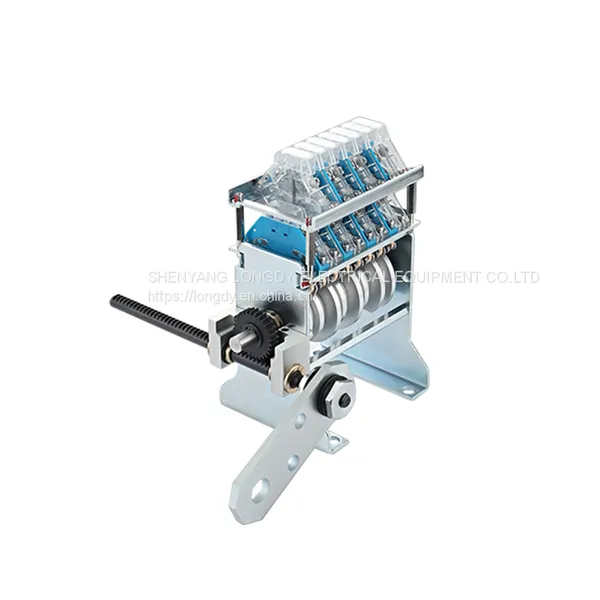
High Voltage Auxiliary Switch FC Model Travel Switch Rack and Pinion Suitable for Hydraulic MechanismsUS$ 215.9 - 249MOQ: 5 Pieces
-
High Voltage Auxiliary Switch FK Model Pertain For Electric Mechanism Hydraulic Mechanism Disc Spring Mechanism Quick-grounding MechanismUS$ 56.2 - 60MOQ: 5 Pieces
-
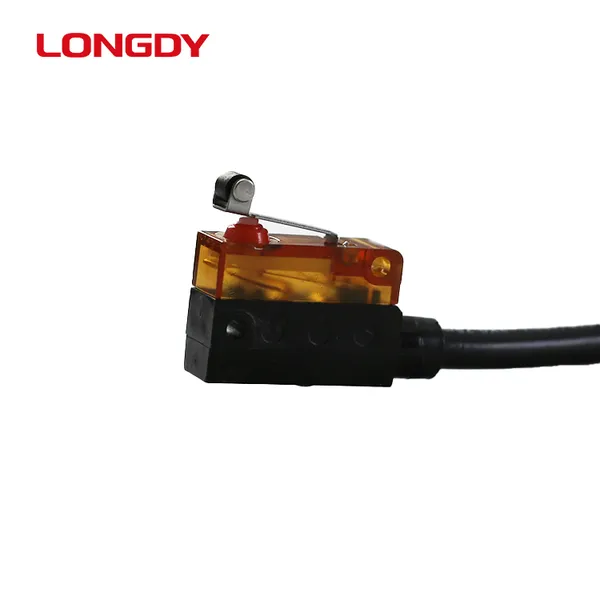
Waterproof Microswitch Specialized in Machinery Industry Switches Factory Direct SaleUS$ 18.57 - 22.86MOQ: 20 Pieces
-
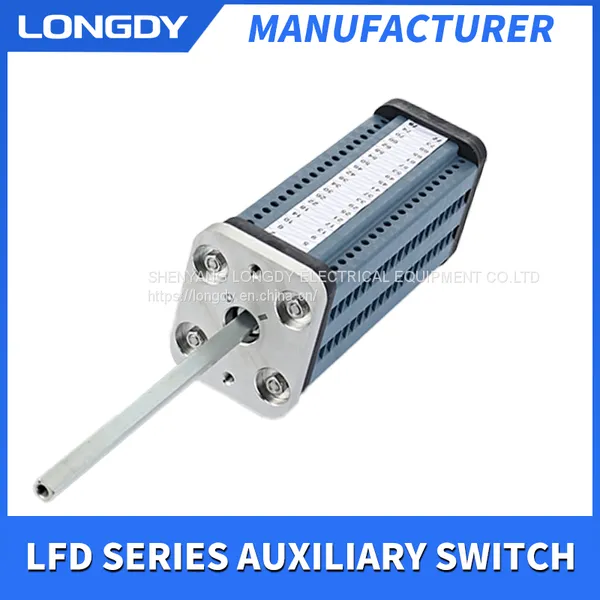
Manufacturer of LFD High-voltage Auxiliary Switch Circuit Breaker SwitchUS$ 37.9 - 40MOQ: 10 Pieces
-
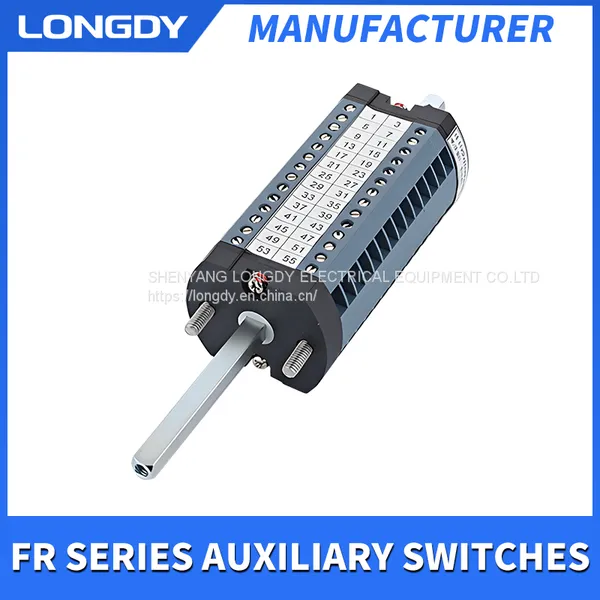
Auxiliary Switch Circuit Breaker Rail Transportation High Voltage Switch Pure Silver Contact PA66 ShellUS$ 37.5 - 55MOQ: 10 Pieces
-
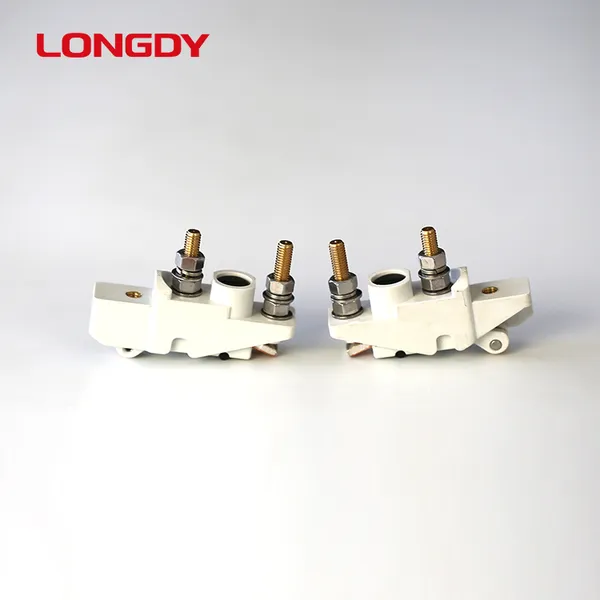
Auxiliary Switch High Voltage Switch Silver Contact Mounting Accessories PC MaterialUS$ 27.7 - 35MOQ: 5 Pieces
-
Medical Housing Plastic Housing Plastic Parts Processing Injection Molding Parts ManufacturersUS$ 20 - 80MOQ: 5000 Pieces
-
FA (F10) Fast Tap Auxiliary Switch High Voltage Switch Circuit Breaker Slow Speed Mechanism Auxiliary SwitchUS$ 20 - 25MOQ: 10 Pieces
-
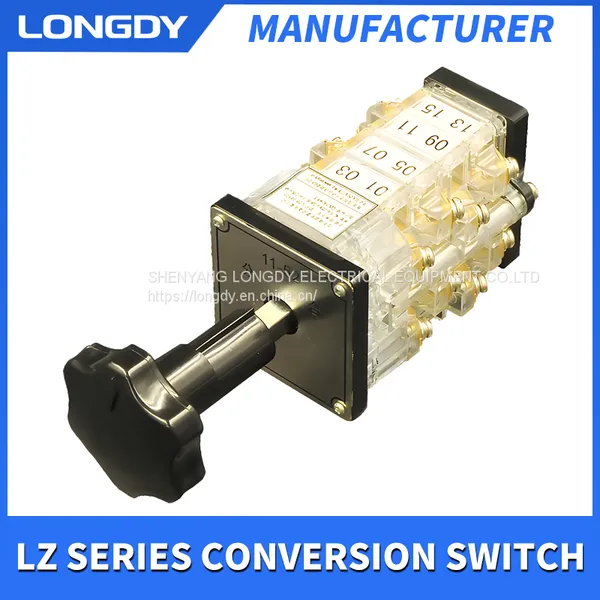
The Silver Contact of the Transfer Switch Has High Contact Pressure and Strong Seismic Performance, Suitable for Industries Such as Power Industry AutomationUS$ 20.5 - 25MOQ: 5 Pieces
-
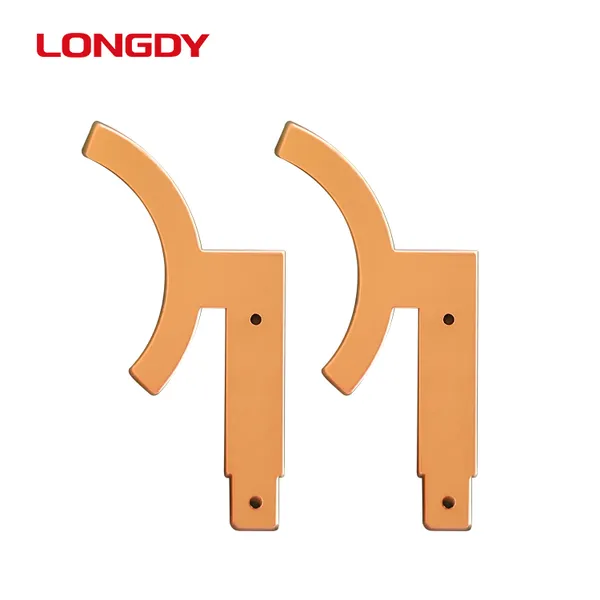
Precision Stamping Parts Processing Plant Stainless Steel Copper Aluminium Non-standard PartsUS$ 0.1 - 0.5MOQ: 1000 Pieces
-
Precision Stamping Parts Processing Source Factory Excellent Material for Non-Standard Metal PartsUS$ 0.1 - 3MOQ: 5000 Pieces
-
CNC Stamping Parts ISO 9001 Certified Machining Services High Quality Stainless Steel PartsUS$ 0.2 - 1MOQ: 2000 Pieces
-
Stamping Parts Processing Plant Stainless Steel Special-shaped Parts Custom High PrecisionUS$ 0.2 - 5MOQ: 10000 Pieces
-
Medical Equipments Shell Injection Plastic Molding ABS PC PP PVC PE Professional CustomizedUS$ 11 - 14MOQ: 100 Pieces
-
Stamping Parts Chinese Supplier Custom High Precision Non-Standard Stainless Steel Metal PartsUS$ 0.02 - 0.1MOQ: 1000 Pieces