 Business License

Selecting an EDM process, these are the secrets to know!
EDM is a non-traditional machining process that utilizes the principle of pulsed discharge to remove material by means of an electric spark discharge between the electrode and the workpiece to obtain the desired shape, size and surface finish. Selecting the appropriate EDM process is critical to improving machining efficiency and product quality.
Below are a few key factors to consider when selecting an EDM process:
1. Material Characteristics: EDM is capable of handling a wide range of hardness materials, including hard-to-machine materials such as carbide, stainless steel, and titanium alloys. If the part to be machined is these high hardness or complex structure of the material, EDM is usually preferred.
2. Complexity of parts: for the geometry of particularly complex parts, such as deep holes, narrow grooves, sharp corners, etc., the traditional cutting process may not be able to handle, at this time the EDM is particularly suitable.
3. Precision requirements: EDM can achieve high machining accuracy and repeatability, especially suitable for precision manufacturing. If the product has strict requirements for accuracy, choosing EDM is a good decision.
4. Surface Integrity: EDM results in a higher surface finish, smaller heat affected zones, and fewer stress concentrations, which helps to improve the fatigue life of the part. If surface quality is one of the considerations, EDM should be prioritized.
5. Economic efficiency: when choosing a process, cost is a factor that cannot be ignored. Although the initial investment in EDM equipment is large, but for mass production and small batch production of multiple varieties, because it saves the cost of molds and reduces tooling losses, in the long run has a very good economic efficiency.
6. Equipment capacity: different EDM machines have different performance characteristics, such as machining speed, degree of automation, maximum workpiece size. In the selection of specific EDM process, to be considered in conjunction with the capacity of existing equipment to ensure that the selected equipment can meet the processing needs.
7. Optimization of process parameters: EDM process has many adjustable parameters, such as pulse width, current size, discharge frequency and so on. Correct parameter settings can effectively improve processing efficiency and quality. Therefore, these parameters should be fully tested and optimized before determining the process.
8. Auxiliary processes: In some cases, EDM may need to be used in combination with other processes to achieve the best machining results. For example, when machining deep holes of complex shapes, it may be necessary to make the initial hole by drilling, and then use EDM to complete the fine machining.
9. Safety and environmental protection: Waste materials and fluids generated during EDM machining need to be disposed of properly to comply with environmental regulations. Operators should also pay attention to safety precautions to avoid injuries caused by improper operation.
Recently Posted
-
Discover the wonderful world of microswitches
November 24, 2025In the vast ocean of modern technology, there are countless fascinating tiny wonders. Although they are inconspicuous, they play a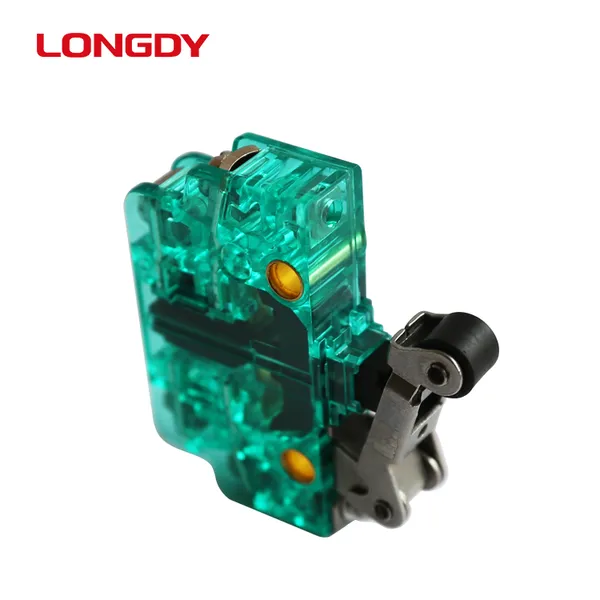 Read More
 -
Why use high voltage auxiliary switches for triplex mechanisms in power equipment? In-depth analysis
November 24, 2025In the complex operation system of power equipment, the three-position mechanism plays a crucial role. Among them, the application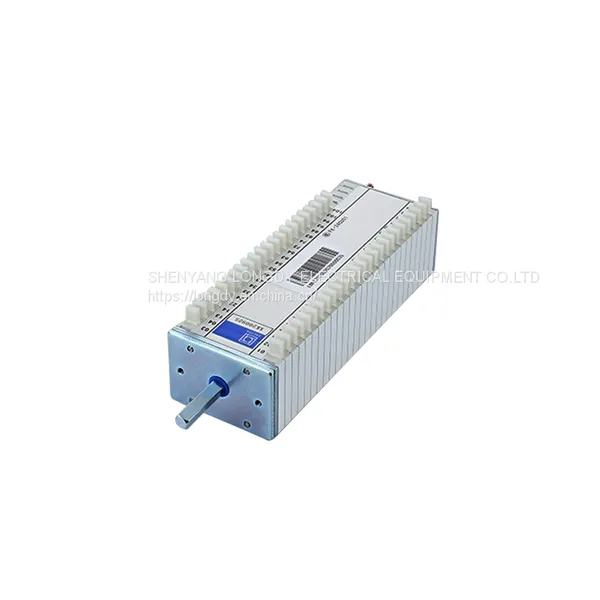 Read More
 -
Several golden rules for selecting materials in stamping processing
August 5, 2024In stamping processing, the selection of materials is crucial, because it not only affects the quality and precision of the parts,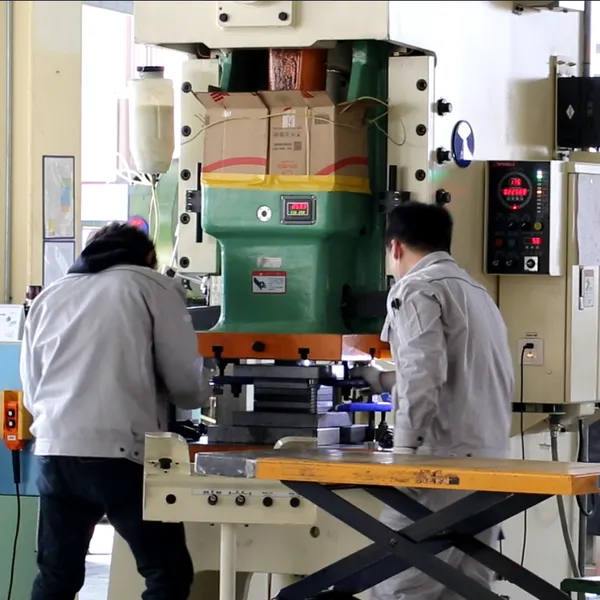 Read More
 -
How to improve the precision and efficiency of CNC machining?
August 5, 2024In modern manufacturing, CNC technology has become the core force in the production of complex parts and components with its high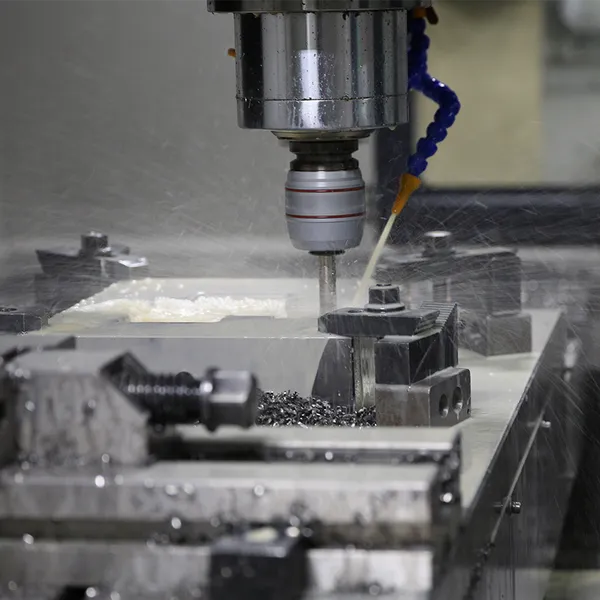 Read More

Contact Us
Recommended Products
-
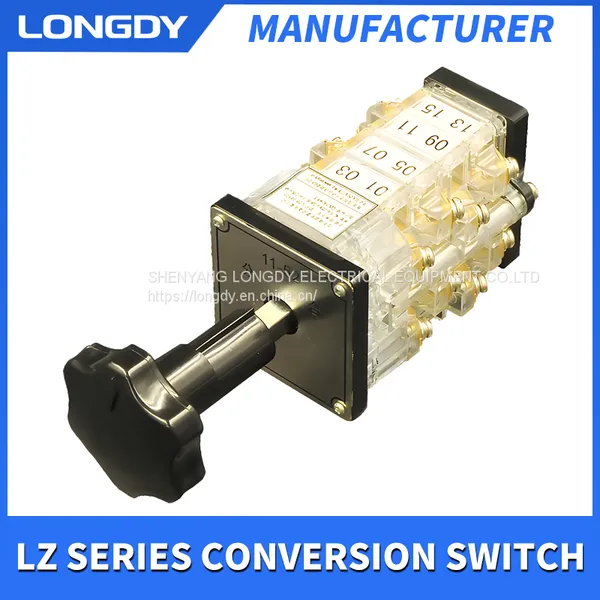
 Microswitch LXC Model Pertain Grounding Switches Knife Gate Switches Transfer Switches Contactors Metro DoorUS$ 11.6 - 15MOQ: 10 Pieces
 -
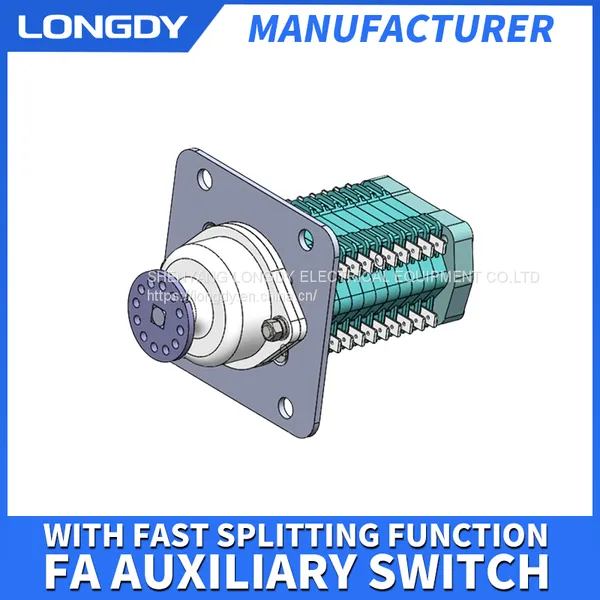
High Voltage Auxiliary Switches, Type FA, Sliding Contact Construction, for Motor-drive Mechanism, Three-position Mechanism, Quick-earthing SwitchesUS$ 14.3 - 16MOQ: 5 Pieces
-
Microswitch S100u Type Suitable for Contactors Vacuum Circuit Breakers Knife Gate SwitchesUS$ 6.2 - 8MOQ: 20 Pieces
-
Microswitch Type LXF Suitable for ContactorsUS$ 17.14 - 21.43MOQ: 5 Pieces
-
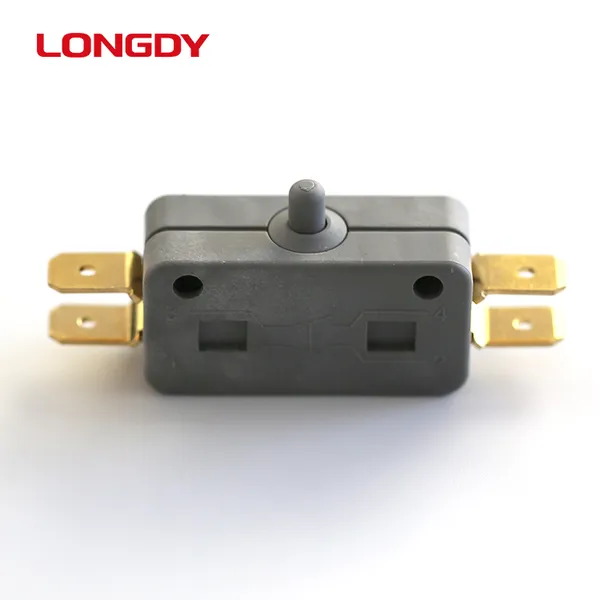
Microswitches Type LXE for ContactorsUS$ 3.57 - 4.29MOQ: 20 Pieces
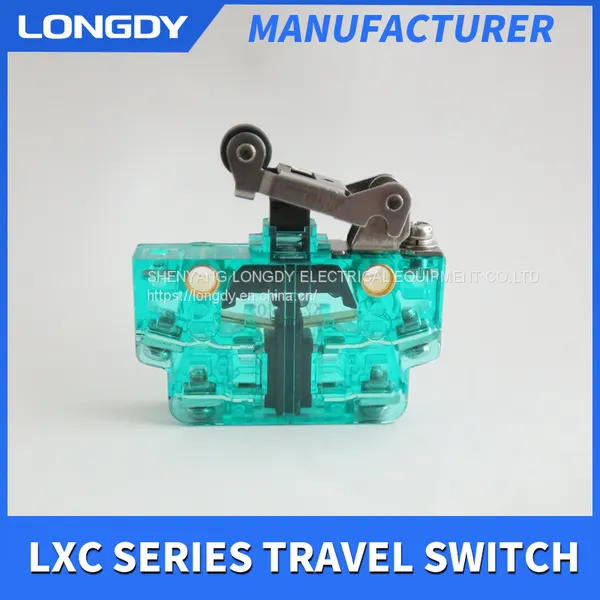
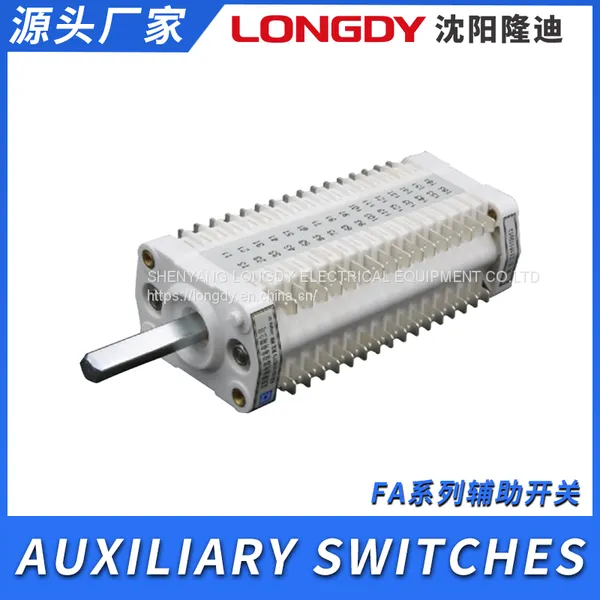
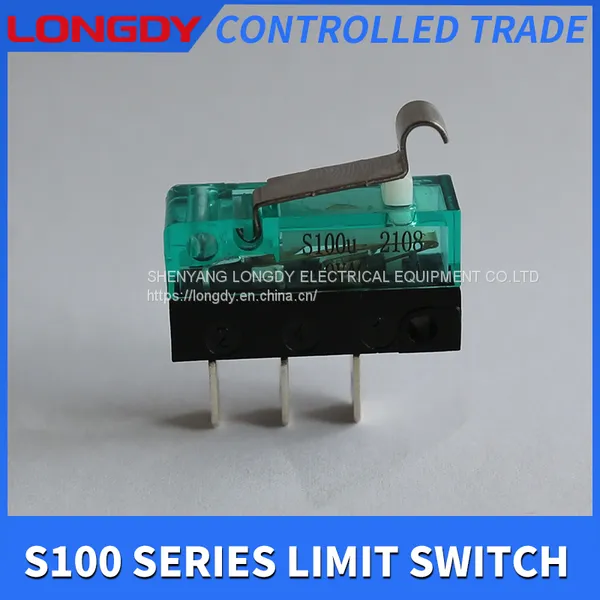
-
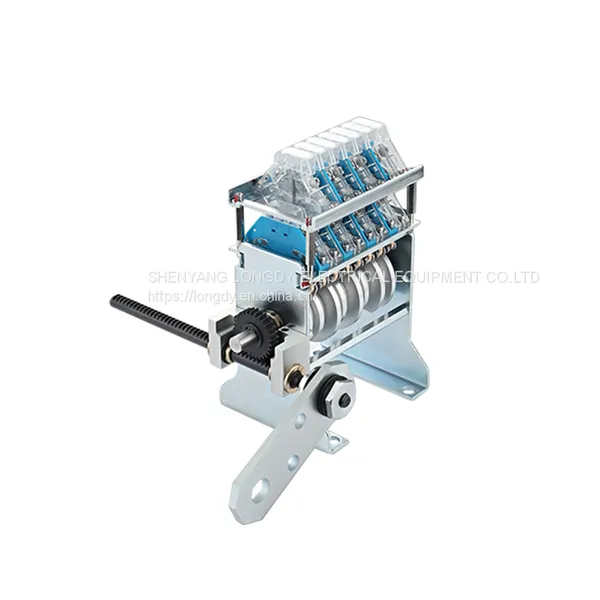
High Voltage Auxiliary Switch FC Model Travel Switch Rack and Pinion Suitable for Hydraulic MechanismsUS$ 215.9 - 249MOQ: 5 Pieces
-
High Voltage Auxiliary Switch FK Model Pertain For Electric Mechanism Hydraulic Mechanism Disc Spring Mechanism Quick-grounding MechanismUS$ 56.2 - 60MOQ: 5 Pieces
-
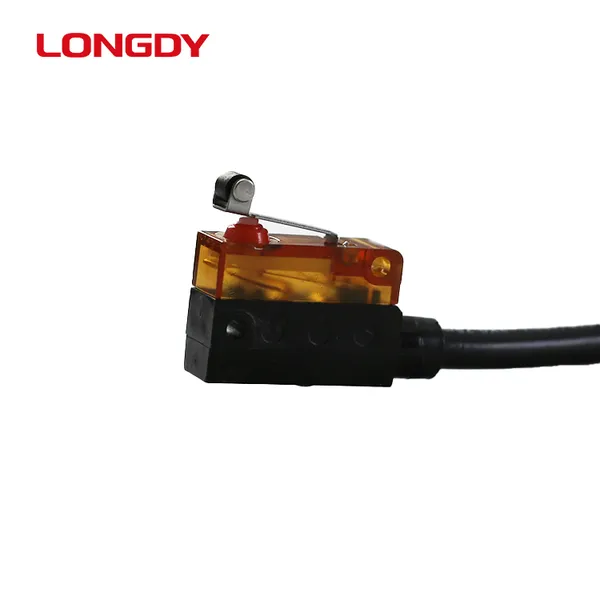
Waterproof Microswitch Specialized in Machinery Industry Switches Factory Direct SaleUS$ 18.57 - 22.86MOQ: 20 Pieces
-
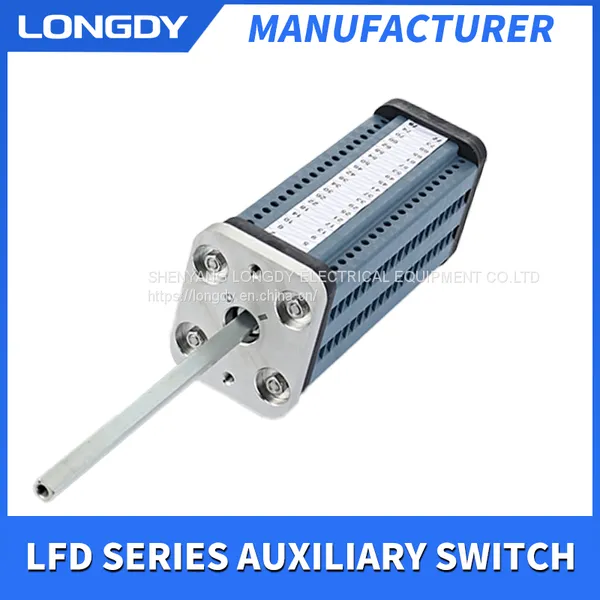
Manufacturer of LFD High-voltage Auxiliary Switch Circuit Breaker SwitchUS$ 37.9 - 40MOQ: 10 Pieces
-
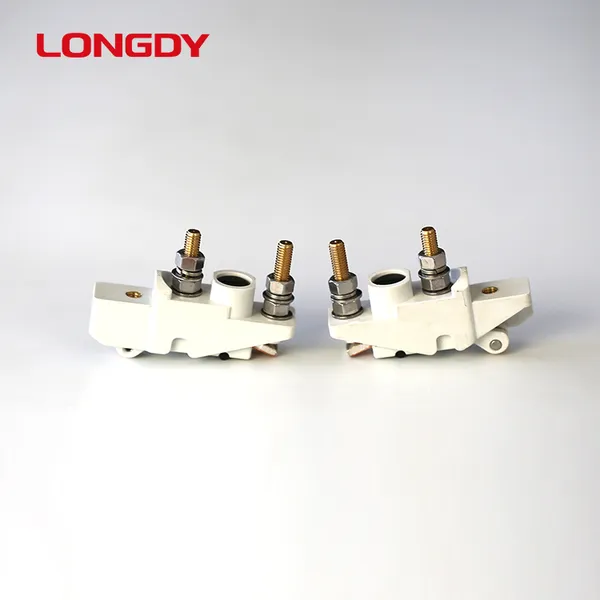
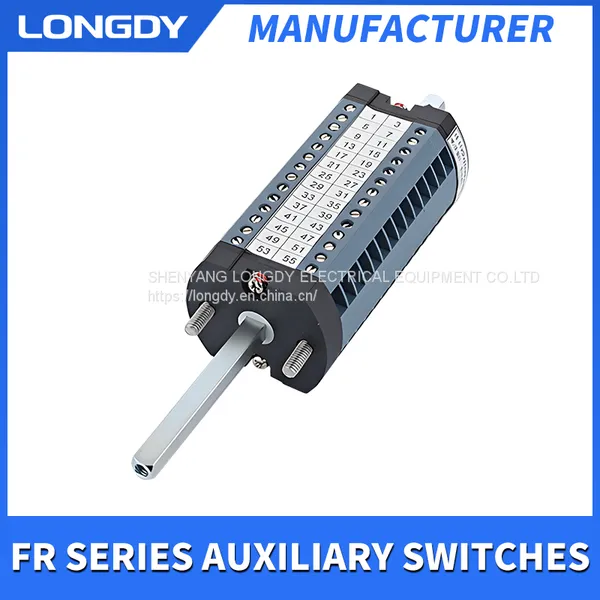
Auxiliary Switch Circuit Breaker Rail Transportation High Voltage Switch Pure Silver Contact PA66 ShellUS$ 37.5 - 55MOQ: 10 Pieces
-
Auxiliary Switch High Voltage Switch Silver Contact Mounting Accessories PC MaterialUS$ 27.7 - 35MOQ: 5 Pieces
-
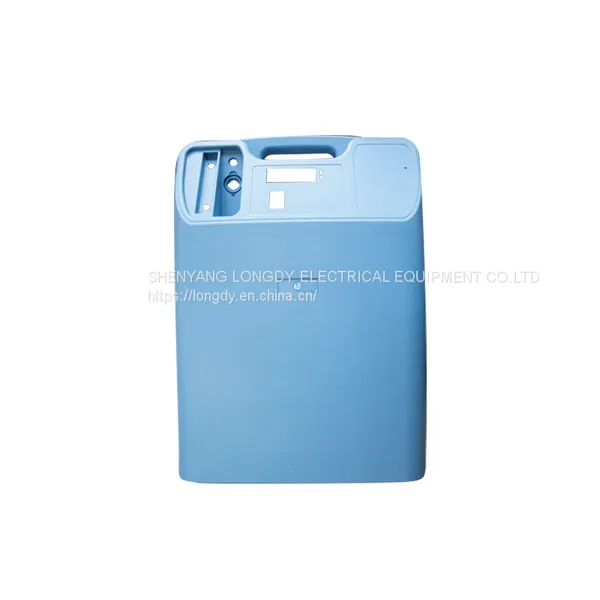
Medical Housing Plastic Housing Plastic Parts Processing Injection Molding Parts ManufacturersUS$ 20 - 80MOQ: 5000 Pieces
-
FA (F10) Fast Tap Auxiliary Switch High Voltage Switch Circuit Breaker Slow Speed Mechanism Auxiliary SwitchUS$ 20 - 25MOQ: 10 Pieces
-
The Silver Contact of the Transfer Switch Has High Contact Pressure and Strong Seismic Performance, Suitable for Industries Such as Power Industry AutomationUS$ 20.5 - 25MOQ: 5 Pieces
-
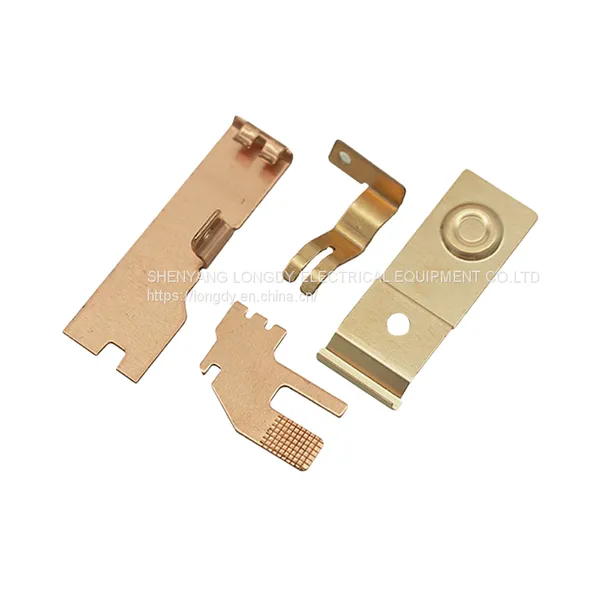
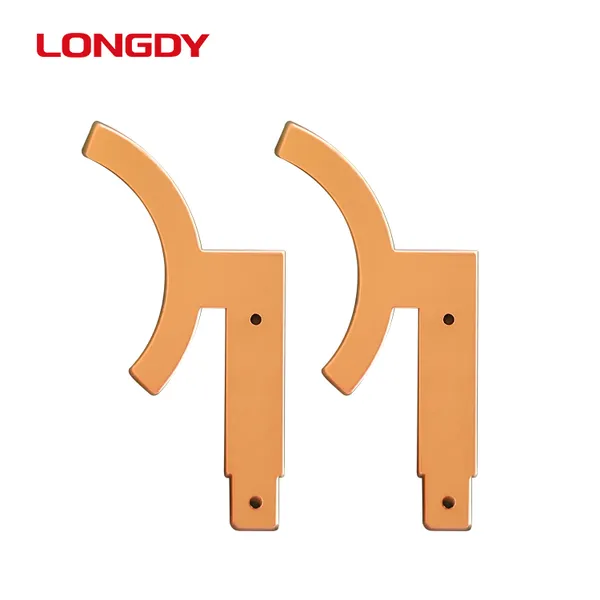
Precision Stamping Parts Processing Plant Stainless Steel Copper Aluminium Non-standard PartsUS$ 0.1 - 0.5MOQ: 1000 Pieces
-
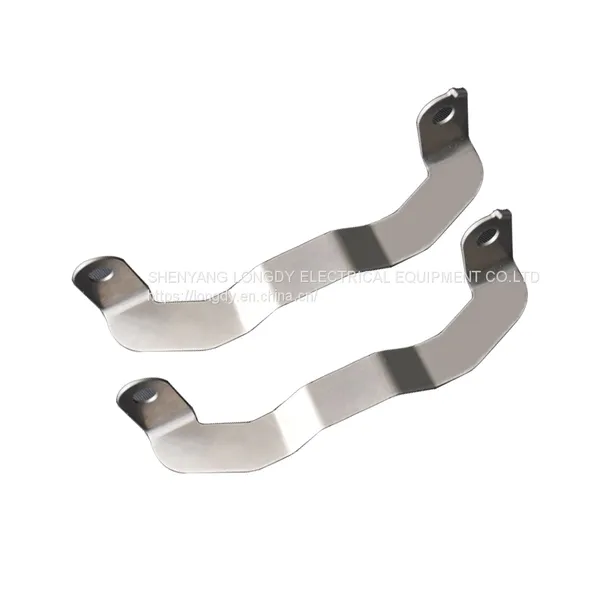
Precision Stamping Parts Processing Source Factory Excellent Material for Non-Standard Metal PartsUS$ 0.1 - 3MOQ: 5000 Pieces
-
CNC Stamping Parts ISO 9001 Certified Machining Services High Quality Stainless Steel PartsUS$ 0.2 - 1MOQ: 2000 Pieces
-
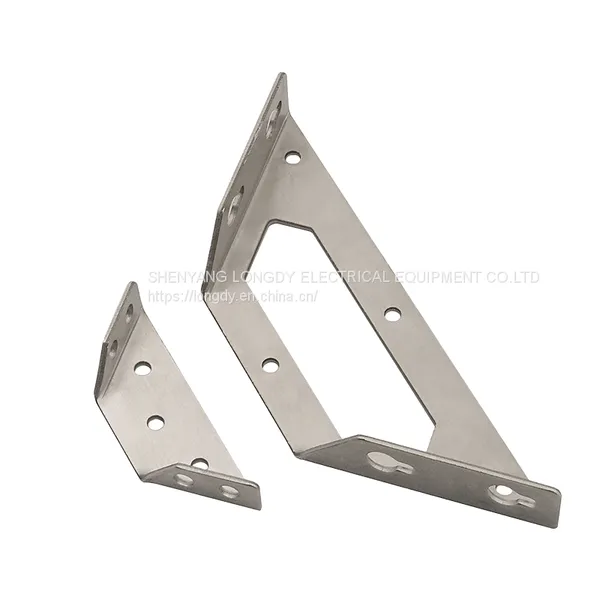
Stamping Parts Processing Plant Stainless Steel Special-shaped Parts Custom High PrecisionUS$ 0.2 - 5MOQ: 10000 Pieces
-
Medical Equipments Shell Injection Plastic Molding ABS PC PP PVC PE Professional CustomizedUS$ 11 - 14MOQ: 100 Pieces
-
Stamping Parts Chinese Supplier Custom High Precision Non-Standard Stainless Steel Metal PartsUS$ 0.02 - 0.1MOQ: 1000 Pieces