 Business License

Structural features of a positively loaded die in stamping processing
In the field of metal processing, stamping is a highly efficient and economical means of production, which uses a mold to impact and press a plate to get the desired shape of the part. And in this precision process, positive loading dies play a vital role.
A positive loading die, as the name suggests, is a component mounted above the press and fixed to the upper die holder, which is directly involved in the stamping process of the sheet. The design of such dies is usually very delicate to ensure that the processed products have high precision and good appearance quality.
The basic structure of a positive-loading mold. Generally speaking, a positive loading die consists of an upper template, a punch fixing plate, a guide pillar, a limiter and other parts. The upper template corresponds to the working table of the press, which is the main body of the whole mold; the punch fixing plate is used to connect and fix various punches, which is the key part for realizing different stamping processes; the guide column and the limiter together ensure the accurate guidance and motion control of the mold in the vertical direction.
Next, let's focus on the internal structure. Inside a positive-loading mold, there are usually a series of precision-designed punches, cutters and other tools. These tools are customized according to product requirements, and their shape, size and layout directly affect the shape and dimensional accuracy of the final product. In order to adapt to different production requirements, the internal structure of a positive-loading tool often needs to be finely tuned and optimized.
In addition to the core components mentioned above, positive loading molds also contain some special designs to improve productivity and product quality. For example, the quick die change system allows the operator to quickly change the punch part of the mold to adapt to the small batch production of multiple varieties; the automatic ejector mechanism can effectively avoid the clogging problem of the material and ensure the smoothness of continuous production.
In order to ensure long-term stable operation, the choice of material for the positive loading mold is also very critical. Generally, tool steel with high hardness, high abrasion resistance and good heat treatment performance is used for manufacturing, in order to withstand the high intensity pressure brought by continuous stamping operation. Surface coating technologies such as titanium plating and chrome plating are also widely used to enhance the wear resistance and reduce the coefficient of friction of the die surface.
In practice, a well-designed positive die can not only process products that meet specifications, but also achieve a tiny range of shape corrections through various fine-tuning mechanisms to meet more stringent industrial standards. At the same time, by adopting a modular design, the maintenance of the mold and the replacement of parts become more convenient, greatly reducing the maintenance time and improving the operational efficiency of the production line.
Recently Posted
-
Discover the wonderful world of microswitches
November 24, 2025In the vast ocean of modern technology, there are countless fascinating tiny wonders. Although they are inconspicuous, they play a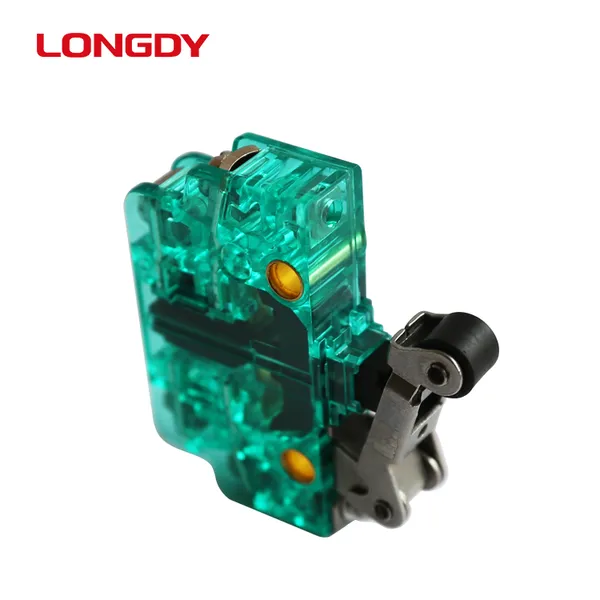 Read More
 -
Why use high voltage auxiliary switches for triplex mechanisms in power equipment? In-depth analysis
November 24, 2025In the complex operation system of power equipment, the three-position mechanism plays a crucial role. Among them, the application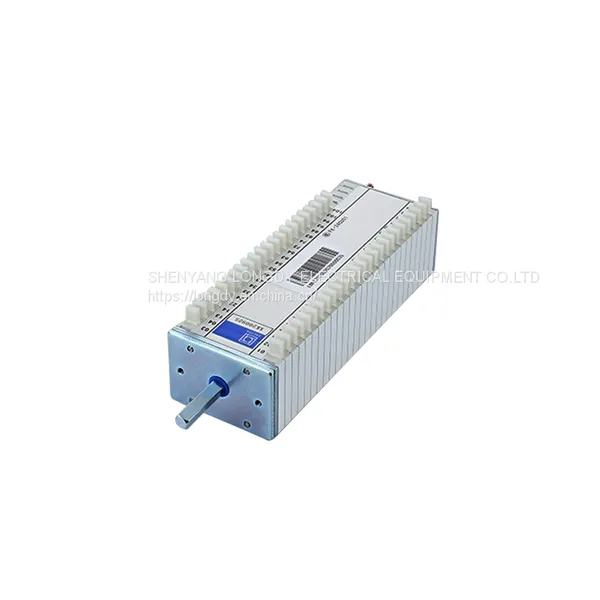 Read More
 -
Several golden rules for selecting materials in stamping processing
August 5, 2024In stamping processing, the selection of materials is crucial, because it not only affects the quality and precision of the parts,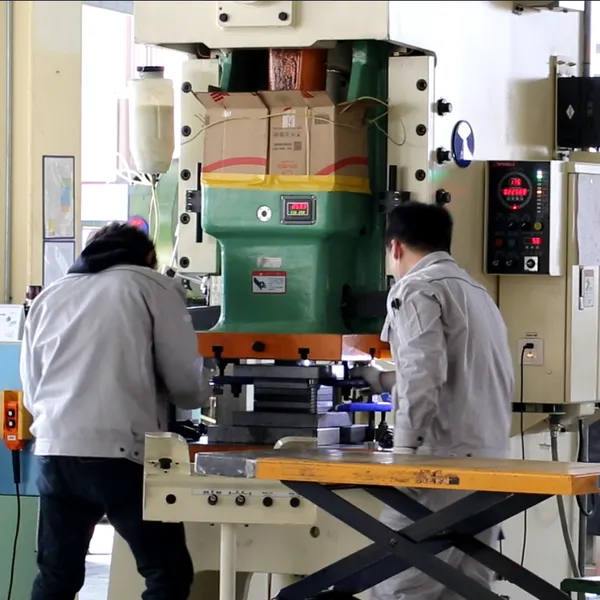 Read More
 -
How to improve the precision and efficiency of CNC machining?
August 5, 2024In modern manufacturing, CNC technology has become the core force in the production of complex parts and components with its high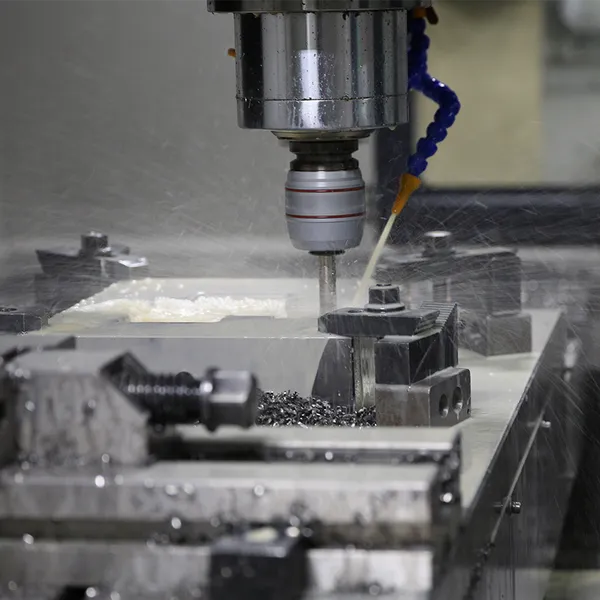 Read More

Contact Us
Recommended Products
-
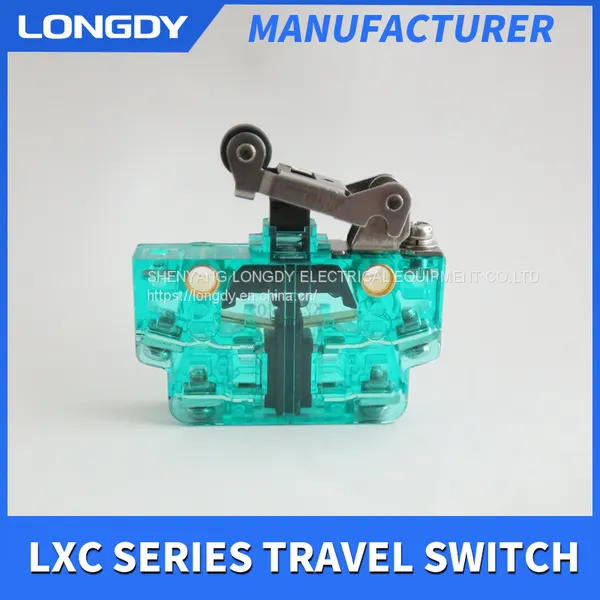
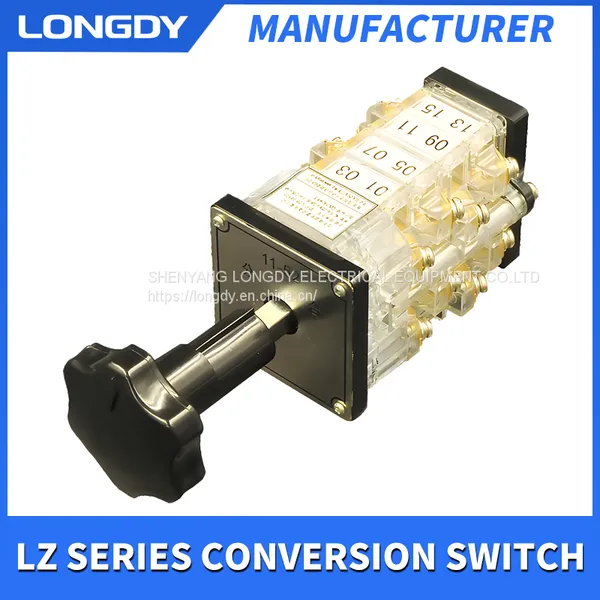
 Microswitch LXC Model Pertain Grounding Switches Knife Gate Switches Transfer Switches Contactors Metro DoorUS$ 11.6 - 15MOQ: 10 Pieces
 -
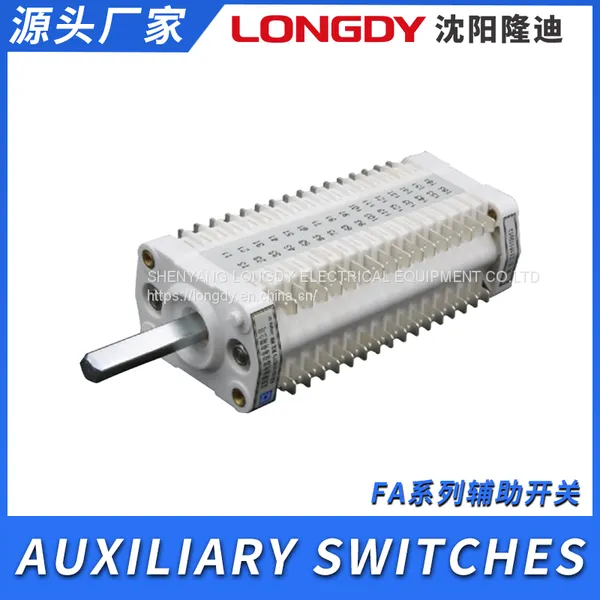
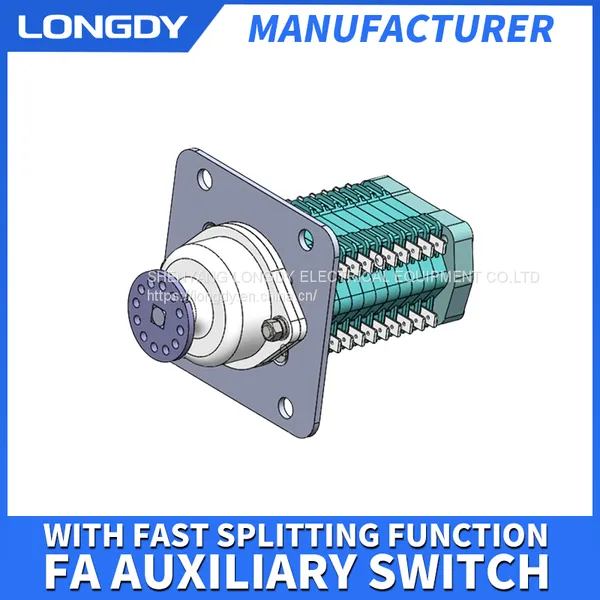
High Voltage Auxiliary Switches, Type FA, Sliding Contact Construction, for Motor-drive Mechanism, Three-position Mechanism, Quick-earthing SwitchesUS$ 14.3 - 16MOQ: 5 Pieces
-
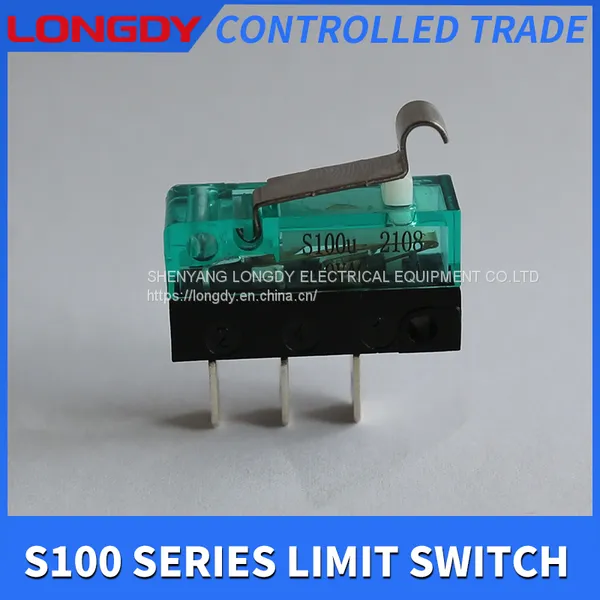
Microswitch S100u Type Suitable for Contactors Vacuum Circuit Breakers Knife Gate SwitchesUS$ 6.2 - 8MOQ: 20 Pieces
-
Microswitch Type LXF Suitable for ContactorsUS$ 17.14 - 21.43MOQ: 5 Pieces
-
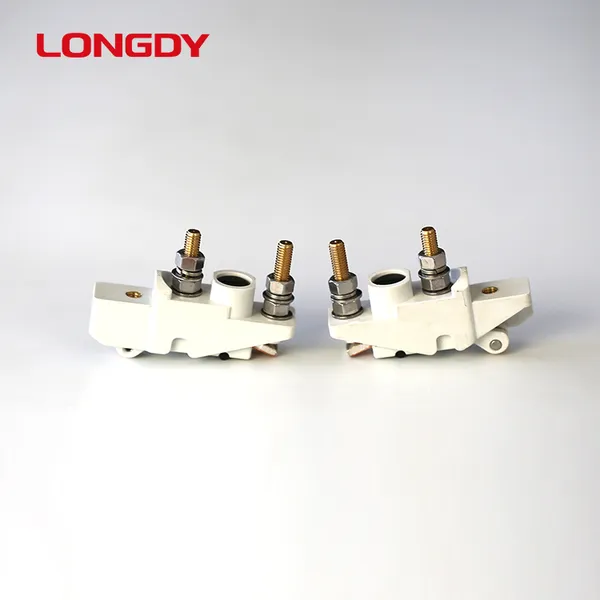
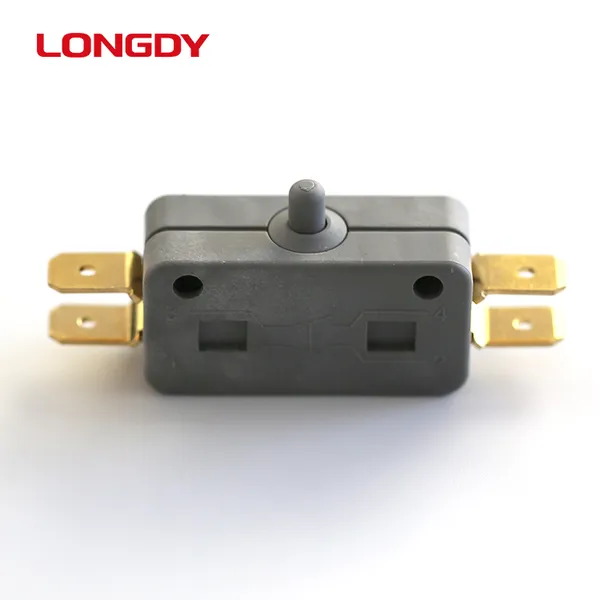
Microswitches Type LXE for ContactorsUS$ 3.57 - 4.29MOQ: 20 Pieces
-
High Voltage Auxiliary Switch FC Model Travel Switch Rack and Pinion Suitable for Hydraulic MechanismsUS$ 215.9 - 249MOQ: 5 Pieces
-
High Voltage Auxiliary Switch FK Model Pertain For Electric Mechanism Hydraulic Mechanism Disc Spring Mechanism Quick-grounding MechanismUS$ 56.2 - 60MOQ: 5 Pieces
-
Waterproof Microswitch Specialized in Machinery Industry Switches Factory Direct SaleUS$ 18.57 - 22.86MOQ: 20 Pieces
-
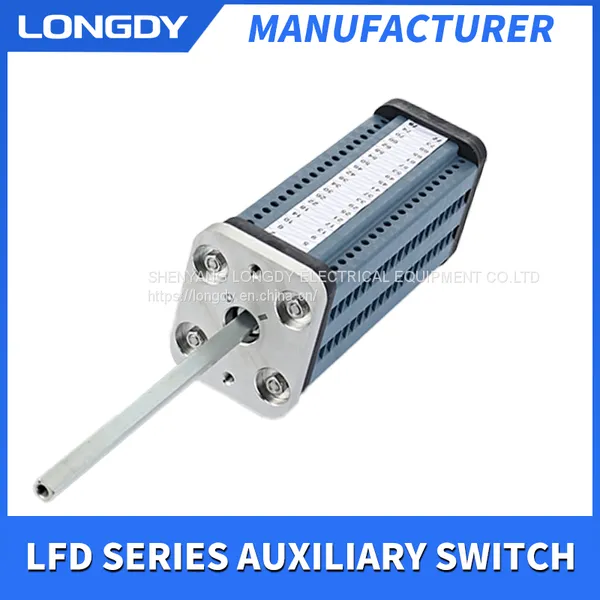
Manufacturer of LFD High-voltage Auxiliary Switch Circuit Breaker SwitchUS$ 37.9 - 40MOQ: 10 Pieces
-
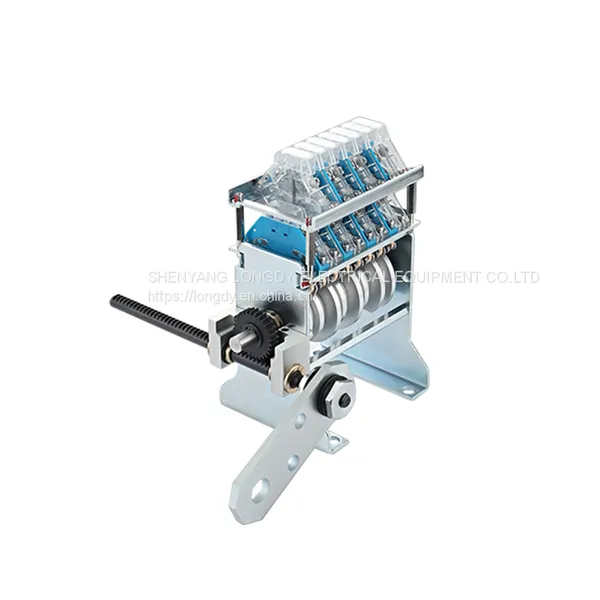
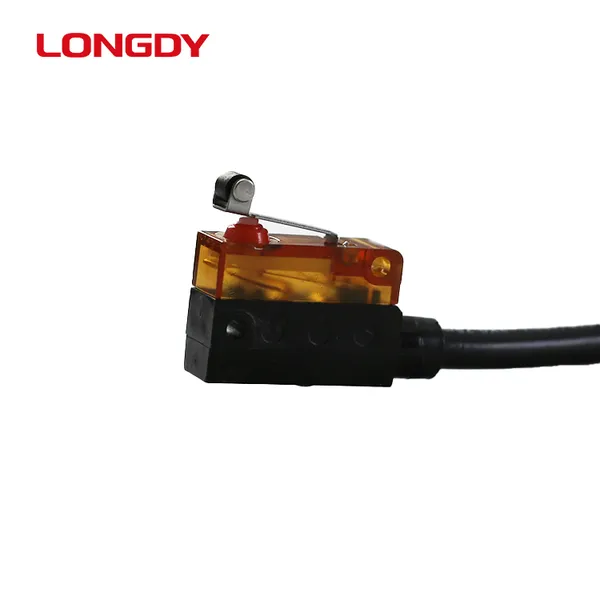
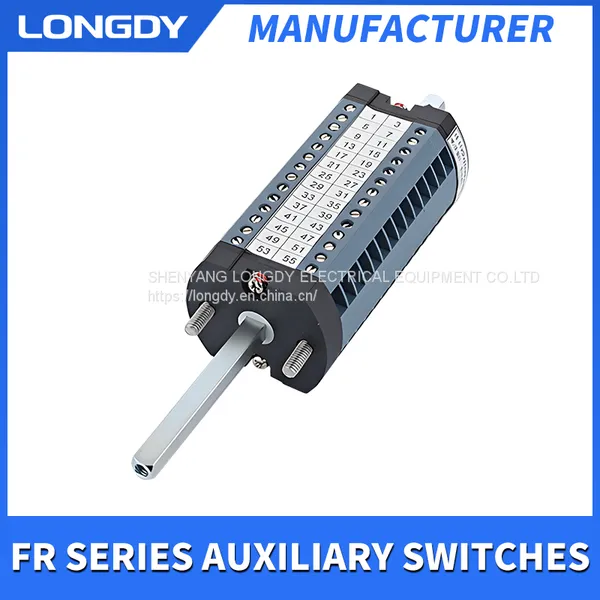
Auxiliary Switch Circuit Breaker Rail Transportation High Voltage Switch Pure Silver Contact PA66 ShellUS$ 37.5 - 55MOQ: 10 Pieces
-
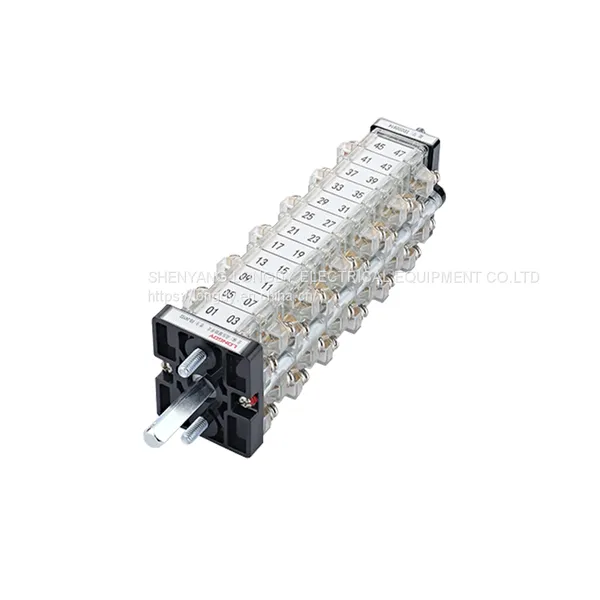
Auxiliary Switch High Voltage Switch Silver Contact Mounting Accessories PC MaterialUS$ 27.7 - 35MOQ: 5 Pieces
-
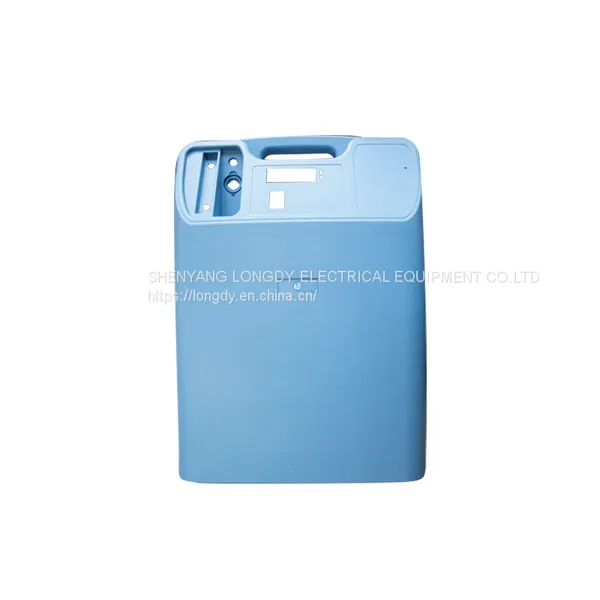
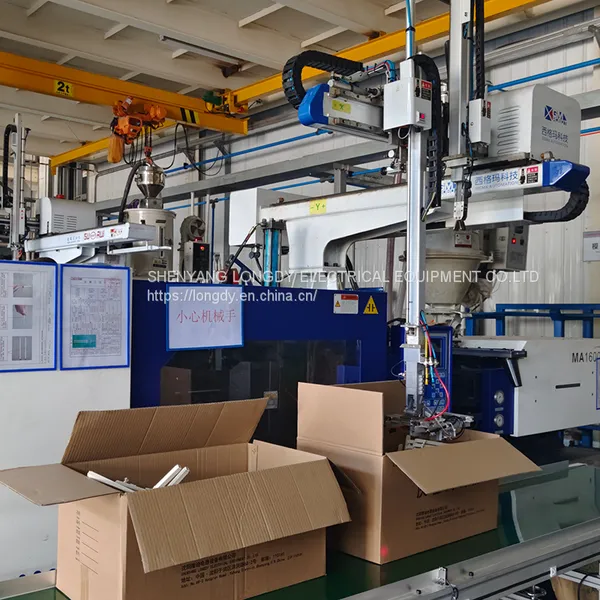
Medical Housing Plastic Housing Plastic Parts Processing Injection Molding Parts ManufacturersUS$ 20 - 80MOQ: 5000 Pieces
-
FA (F10) Fast Tap Auxiliary Switch High Voltage Switch Circuit Breaker Slow Speed Mechanism Auxiliary SwitchUS$ 20 - 25MOQ: 10 Pieces
-
The Silver Contact of the Transfer Switch Has High Contact Pressure and Strong Seismic Performance, Suitable for Industries Such as Power Industry AutomationUS$ 20.5 - 25MOQ: 5 Pieces
-
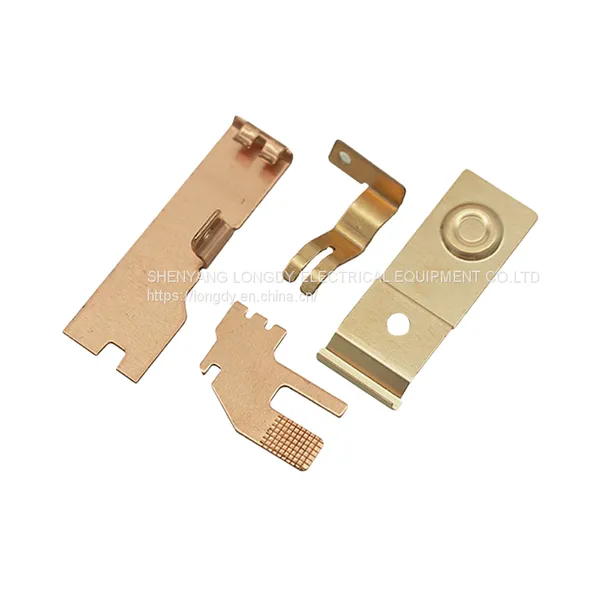
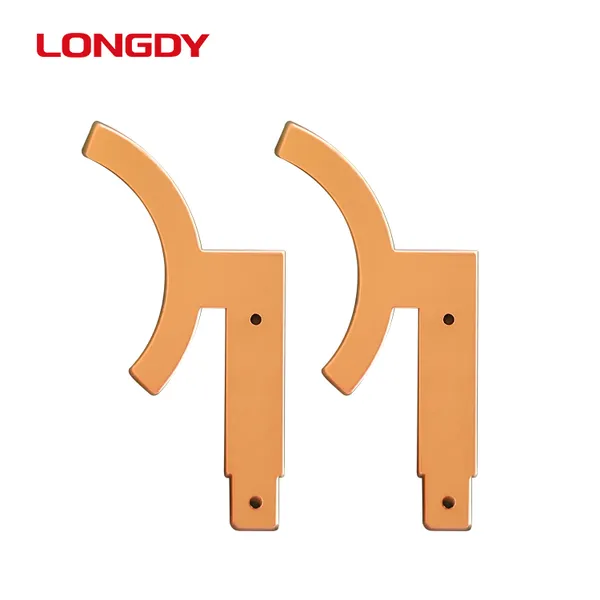
Precision Stamping Parts Processing Plant Stainless Steel Copper Aluminium Non-standard PartsUS$ 0.1 - 0.5MOQ: 1000 Pieces
-
Precision Stamping Parts Processing Source Factory Excellent Material for Non-Standard Metal PartsUS$ 0.1 - 3MOQ: 5000 Pieces
-
CNC Stamping Parts ISO 9001 Certified Machining Services High Quality Stainless Steel PartsUS$ 0.2 - 1MOQ: 2000 Pieces
-
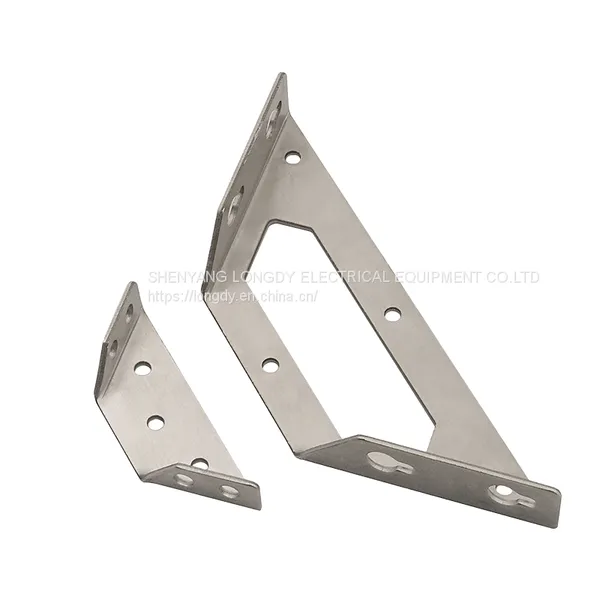
Stamping Parts Processing Plant Stainless Steel Special-shaped Parts Custom High PrecisionUS$ 0.2 - 5MOQ: 10000 Pieces
-
Medical Equipments Shell Injection Plastic Molding ABS PC PP PVC PE Professional CustomizedUS$ 11 - 14MOQ: 100 Pieces
-
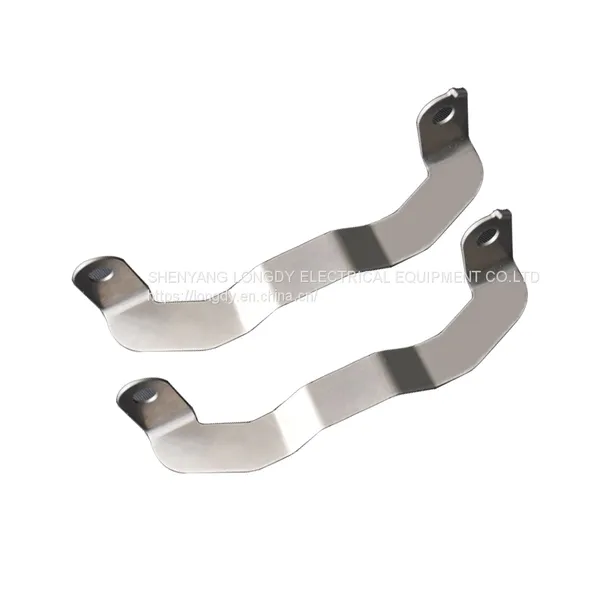
Stamping Parts Chinese Supplier Custom High Precision Non-Standard Stainless Steel Metal PartsUS$ 0.02 - 0.1MOQ: 1000 Pieces