 Business License

What should I do if there is a leakage in galvanizing processing?
In modern industrial production, galvanizing processing is a common metal surface treatment process, which can effectively protect steel and other metal materials from corrosion. However, in the actual operation process, sometimes there is a leakage of galvanization, which not only affects the appearance quality of the product, but also may lead to corrosion of the internal materials, thus shortening the service life of the product. Therefore, it is necessary to take appropriate measures to solve the problem of leaky plating.
When galvanizing leakage phenomenon, first need to determine the location and scope of galvanizing leakage. Through visual inspection or with the help of magnifying glasses, microscopes and other tools, carefully observe whether the plating is uniform, whether there are places that are not covered. As soon as a leaky plating is detected, it should be marked and assessed for its impact on overall structural performance.
The next step is to analyze the causes of leaky plating in galvanizing processes in order to find appropriate solutions. Leakage can be caused by a variety of factors, such as incomplete pre-treatment, inappropriate composition of the plating solution, too low or too high current density, and improper temperature control of the plating solution. It is critical to investigate each of these possible causes to find the exact problem.
After determining the cause of leakage of galvanizing process, the following methods can be taken to repair:
1. Mechanical repair method: For localized small area leakage of plating, the oxide skin and other dirt in the uncovered area can be removed by mechanical grinding, and then the galvanizing process can be carried out again. This method is simple and straightforward and is suitable for small and easily accessible areas.
2. Chemical repair method: Use acid or alkaline cleaning to remove impurities from the missed plating area and improve the activity of the metal surface to facilitate plating adhesion. This method is suitable for larger areas or areas that are difficult to treat mechanically.
3. Electrochemical repair method: Using the principle of electrochemical reaction, the leaky plated area is galvanized again in a specific electrolyte. This method can accurately repair leaking areas, but the operation process is relatively complex. 4.
4. Overall re-galvanizing: If the leakage is extensive or if the above methods are not effective in solving the problem, it may be necessary to re-galvanize the entire workpiece. This is the most complete solution, but is relatively costly.
Recently Posted
-
Discover the wonderful world of microswitches
November 24, 2025In the vast ocean of modern technology, there are countless fascinating tiny wonders. Although they are inconspicuous, they play a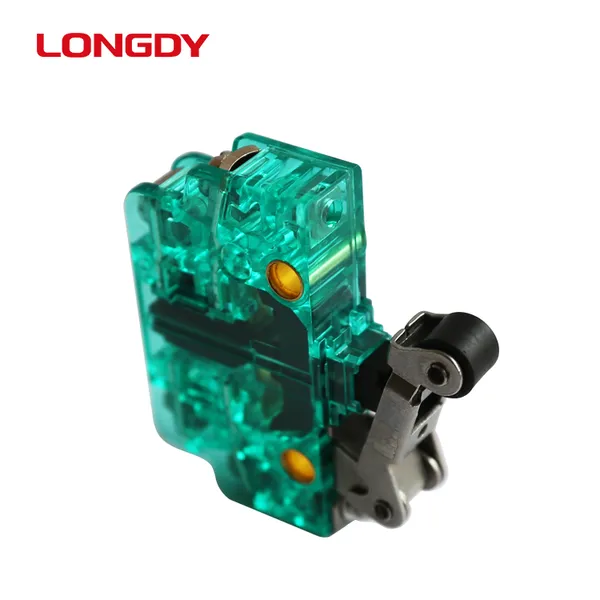 Read More
 -
Why use high voltage auxiliary switches for triplex mechanisms in power equipment? In-depth analysis
November 24, 2025In the complex operation system of power equipment, the three-position mechanism plays a crucial role. Among them, the application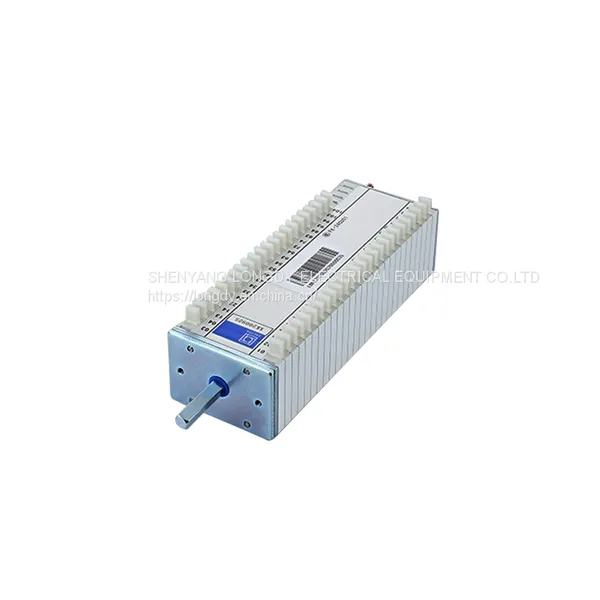 Read More
 -
Several golden rules for selecting materials in stamping processing
August 5, 2024In stamping processing, the selection of materials is crucial, because it not only affects the quality and precision of the parts,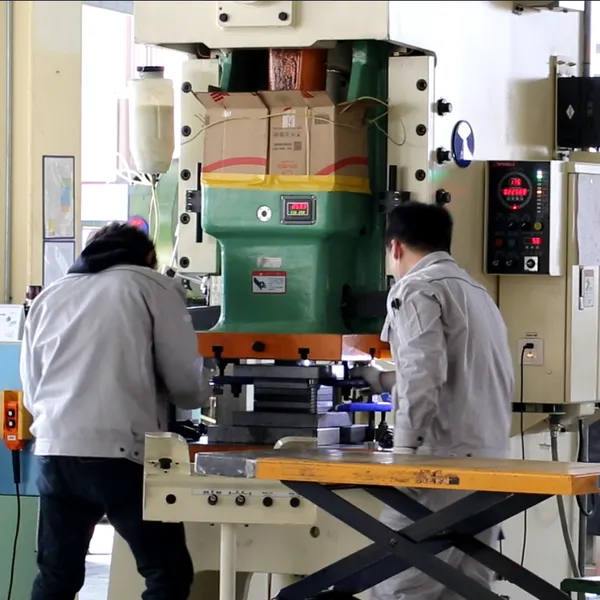 Read More
 -
How to improve the precision and efficiency of CNC machining?
August 5, 2024In modern manufacturing, CNC technology has become the core force in the production of complex parts and components with its high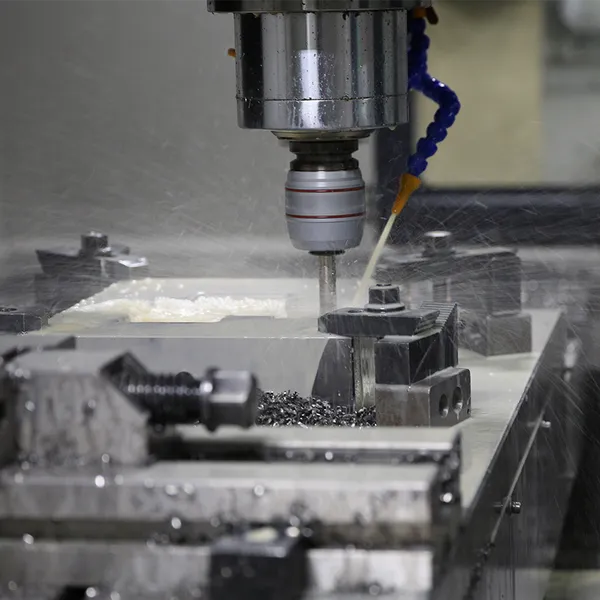 Read More

Contact Us
Recommended Products
-
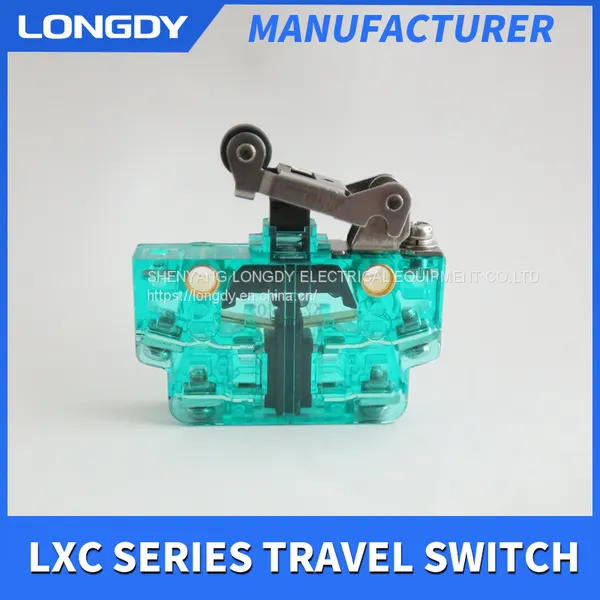
 Microswitch LXC Model Pertain Grounding Switches Knife Gate Switches Transfer Switches Contactors Metro DoorUS$ 11.6 - 15MOQ: 10 Pieces
 -
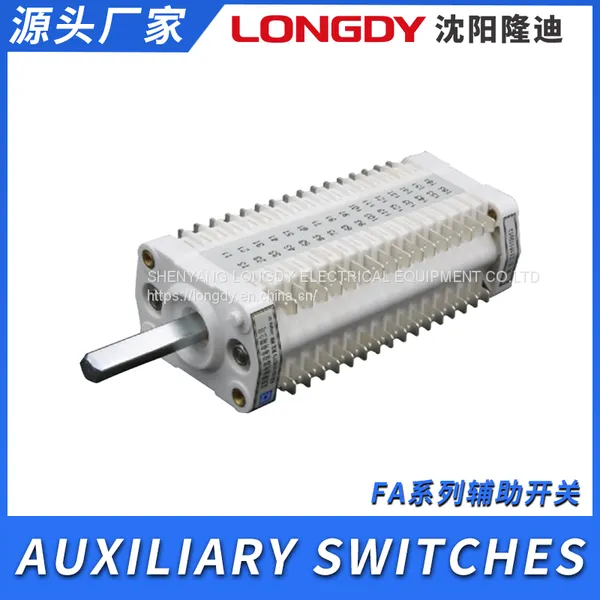
High Voltage Auxiliary Switches, Type FA, Sliding Contact Construction, for Motor-drive Mechanism, Three-position Mechanism, Quick-earthing SwitchesUS$ 14.3 - 16MOQ: 5 Pieces
-
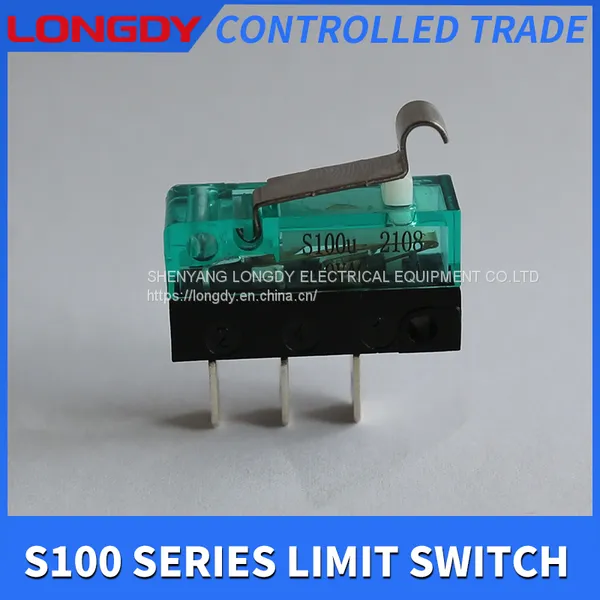
Microswitch S100u Type Suitable for Contactors Vacuum Circuit Breakers Knife Gate SwitchesUS$ 6.2 - 8MOQ: 20 Pieces
-
Microswitch Type LXF Suitable for ContactorsUS$ 17.14 - 21.43MOQ: 5 Pieces
-
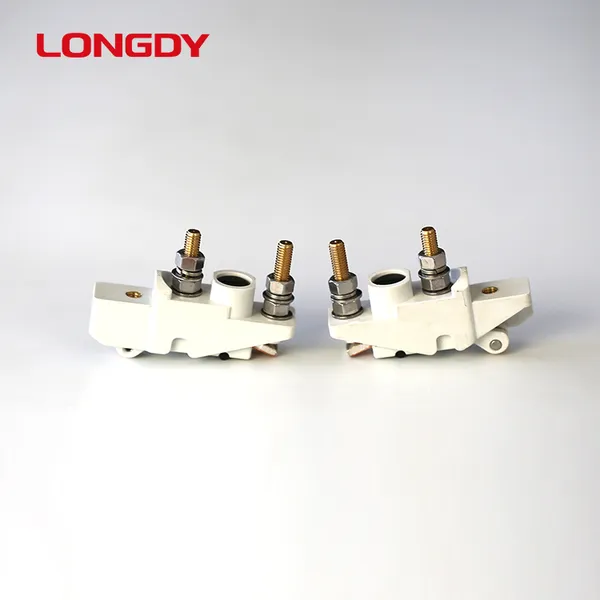
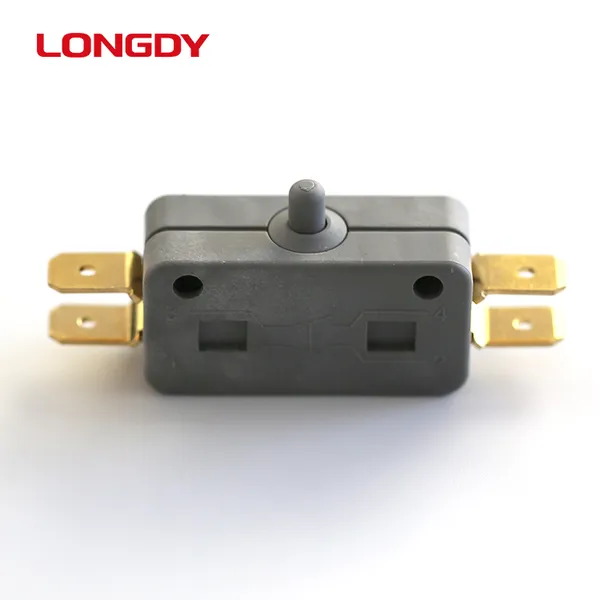
Microswitches Type LXE for ContactorsUS$ 3.57 - 4.29MOQ: 20 Pieces
-
High Voltage Auxiliary Switch FC Model Travel Switch Rack and Pinion Suitable for Hydraulic MechanismsUS$ 215.9 - 249MOQ: 5 Pieces
-
High Voltage Auxiliary Switch FK Model Pertain For Electric Mechanism Hydraulic Mechanism Disc Spring Mechanism Quick-grounding MechanismUS$ 56.2 - 60MOQ: 5 Pieces
-
Waterproof Microswitch Specialized in Machinery Industry Switches Factory Direct SaleUS$ 18.57 - 22.86MOQ: 20 Pieces
-
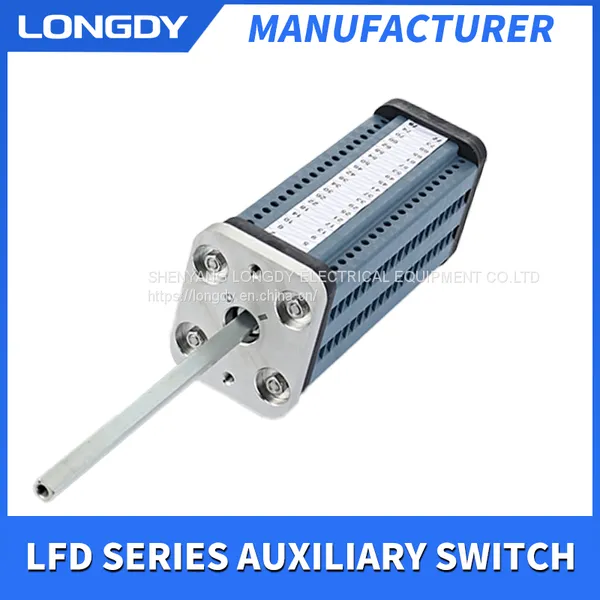
Manufacturer of LFD High-voltage Auxiliary Switch Circuit Breaker SwitchUS$ 37.9 - 40MOQ: 10 Pieces
-
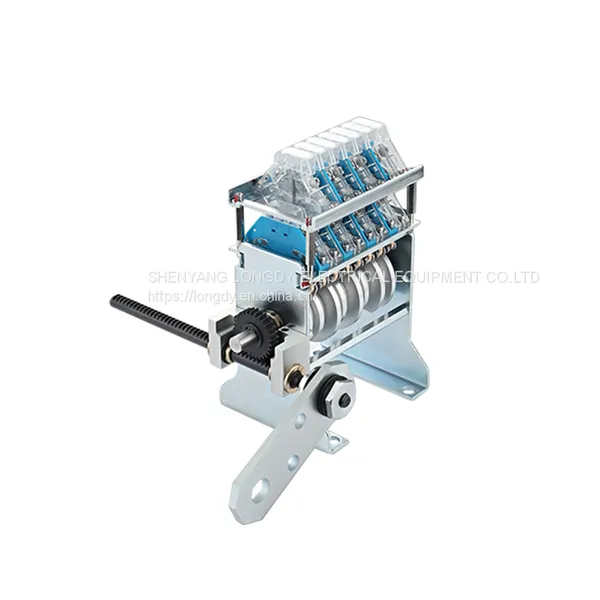
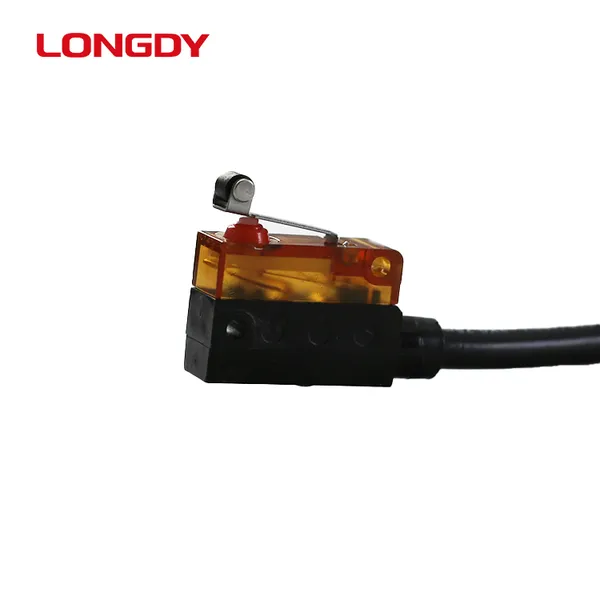
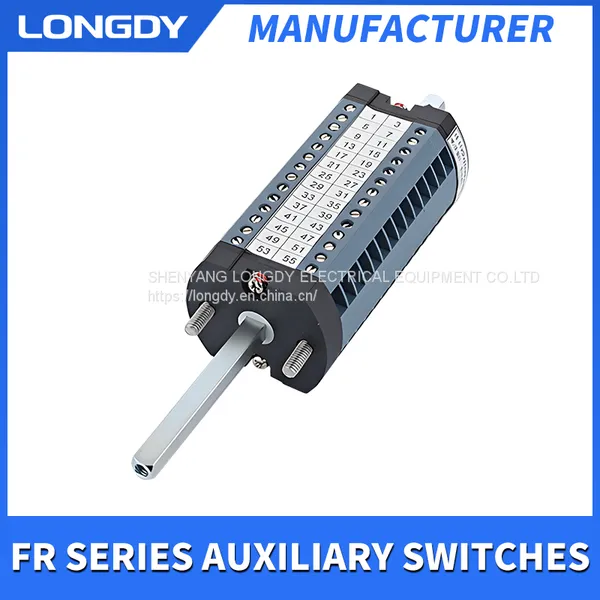
Auxiliary Switch Circuit Breaker Rail Transportation High Voltage Switch Pure Silver Contact PA66 ShellUS$ 37.5 - 55MOQ: 10 Pieces
-
Auxiliary Switch High Voltage Switch Silver Contact Mounting Accessories PC MaterialUS$ 27.7 - 35MOQ: 5 Pieces
-
Medical Housing Plastic Housing Plastic Parts Processing Injection Molding Parts ManufacturersUS$ 20 - 80MOQ: 5000 Pieces
-
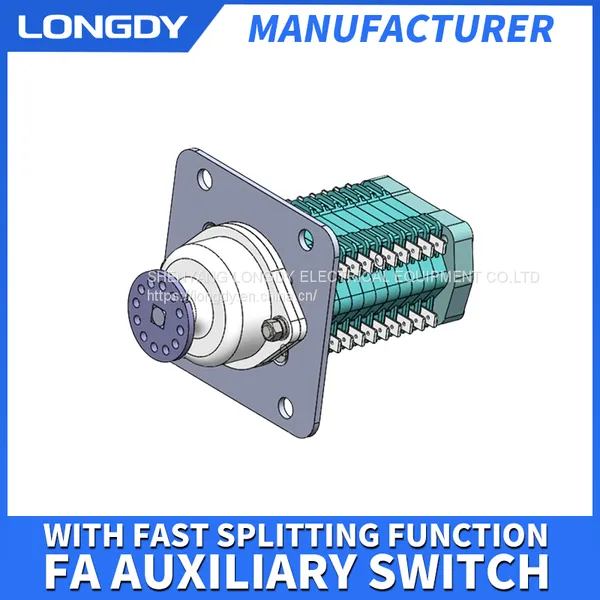
FA (F10) Fast Tap Auxiliary Switch High Voltage Switch Circuit Breaker Slow Speed Mechanism Auxiliary SwitchUS$ 20 - 25MOQ: 10 Pieces
-
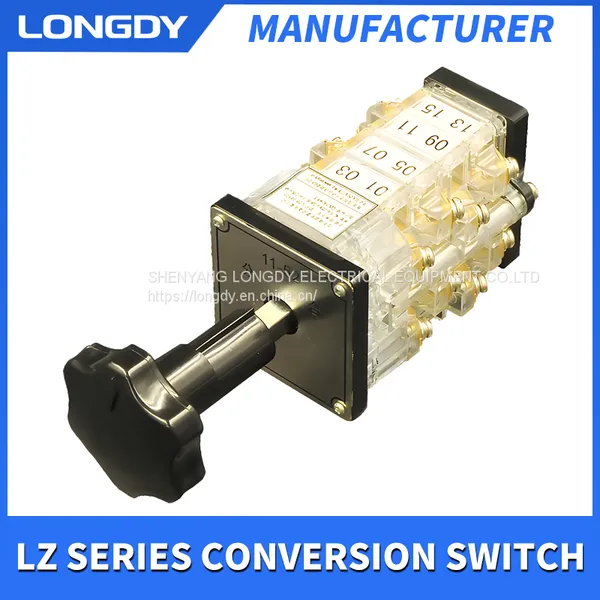
The Silver Contact of the Transfer Switch Has High Contact Pressure and Strong Seismic Performance, Suitable for Industries Such as Power Industry AutomationUS$ 20.5 - 25MOQ: 5 Pieces
-
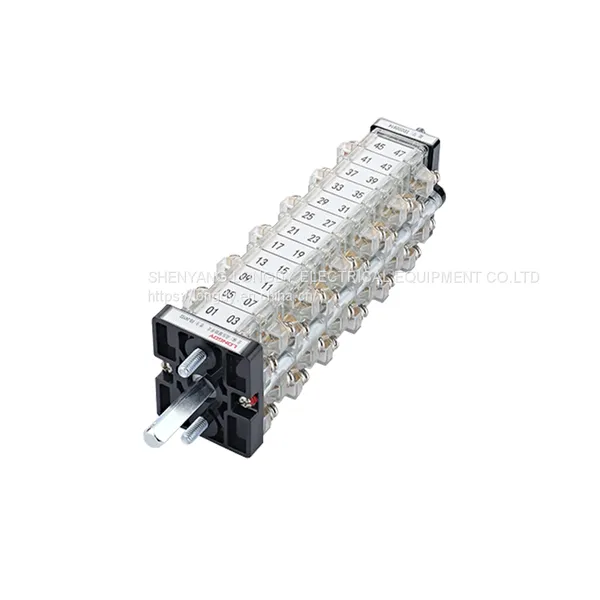
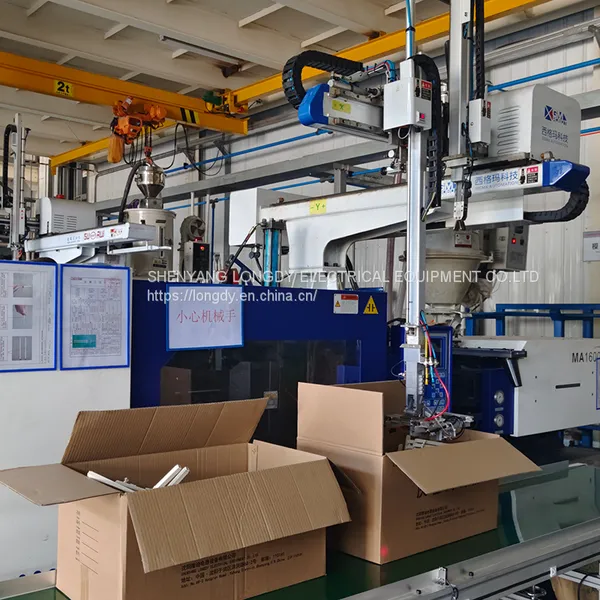
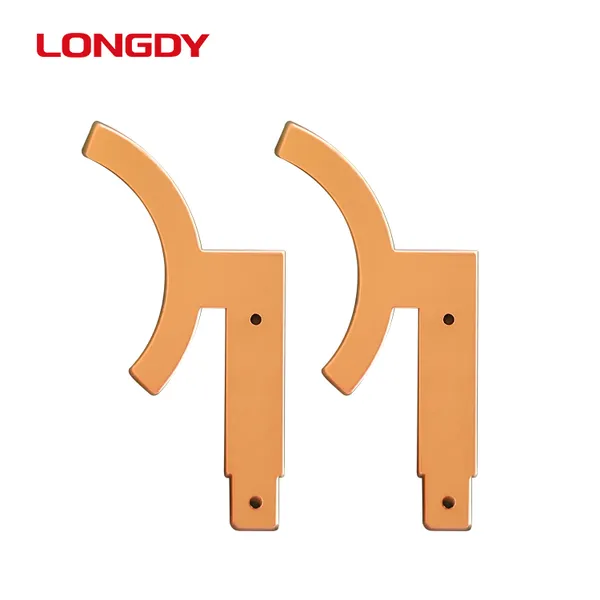
Precision Stamping Parts Processing Plant Stainless Steel Copper Aluminium Non-standard PartsUS$ 0.1 - 0.5MOQ: 1000 Pieces
-
Precision Stamping Parts Processing Source Factory Excellent Material for Non-Standard Metal PartsUS$ 0.1 - 3MOQ: 5000 Pieces
-
CNC Stamping Parts ISO 9001 Certified Machining Services High Quality Stainless Steel PartsUS$ 0.2 - 1MOQ: 2000 Pieces
-
Stamping Parts Processing Plant Stainless Steel Special-shaped Parts Custom High PrecisionUS$ 0.2 - 5MOQ: 10000 Pieces
-
Medical Equipments Shell Injection Plastic Molding ABS PC PP PVC PE Professional CustomizedUS$ 11 - 14MOQ: 100 Pieces
-
Stamping Parts Chinese Supplier Custom High Precision Non-Standard Stainless Steel Metal PartsUS$ 0.02 - 0.1MOQ: 1000 Pieces